Microglia in Alzheimer's disease: Insights into disease progression and therapy
Abstract
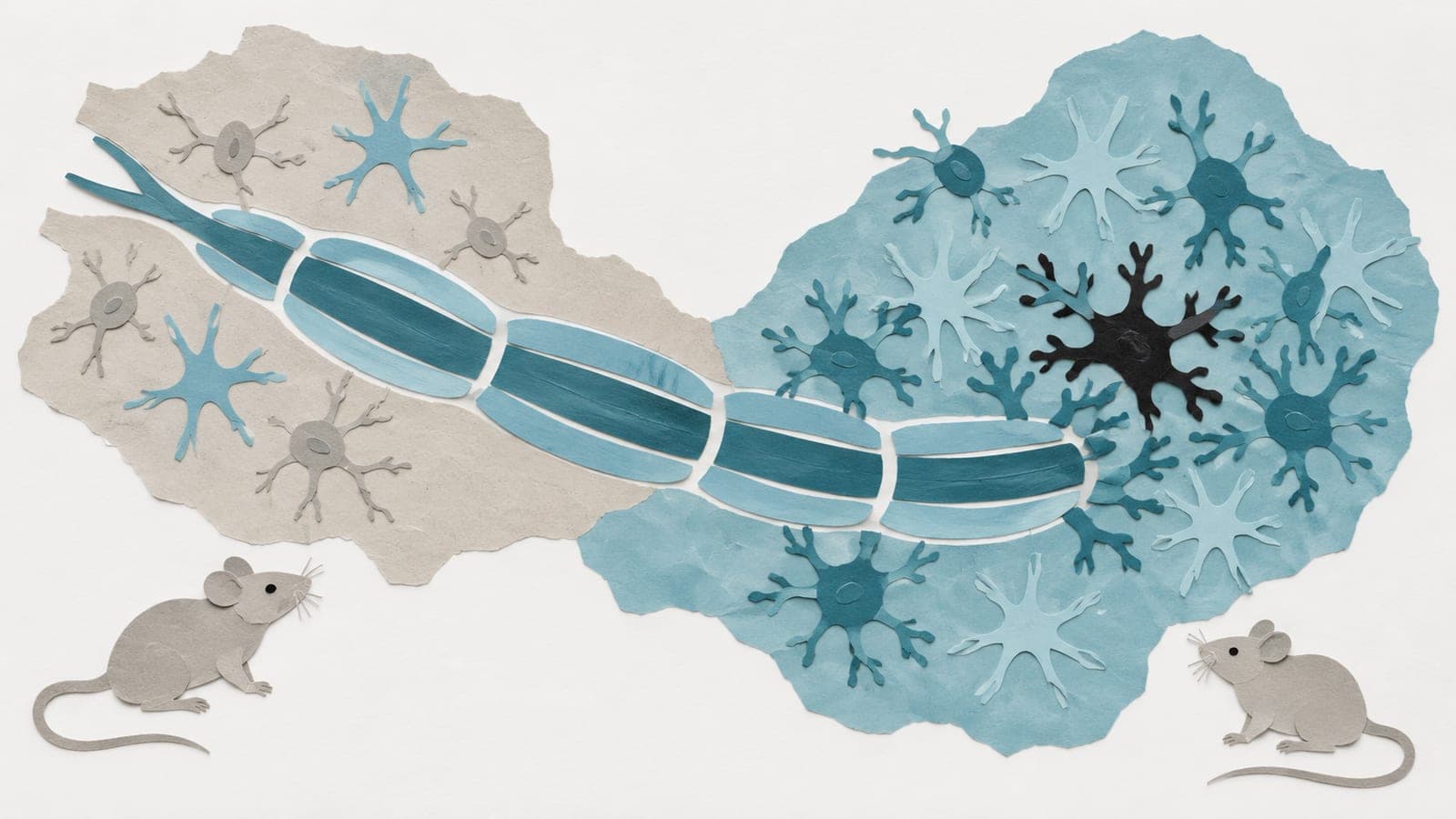
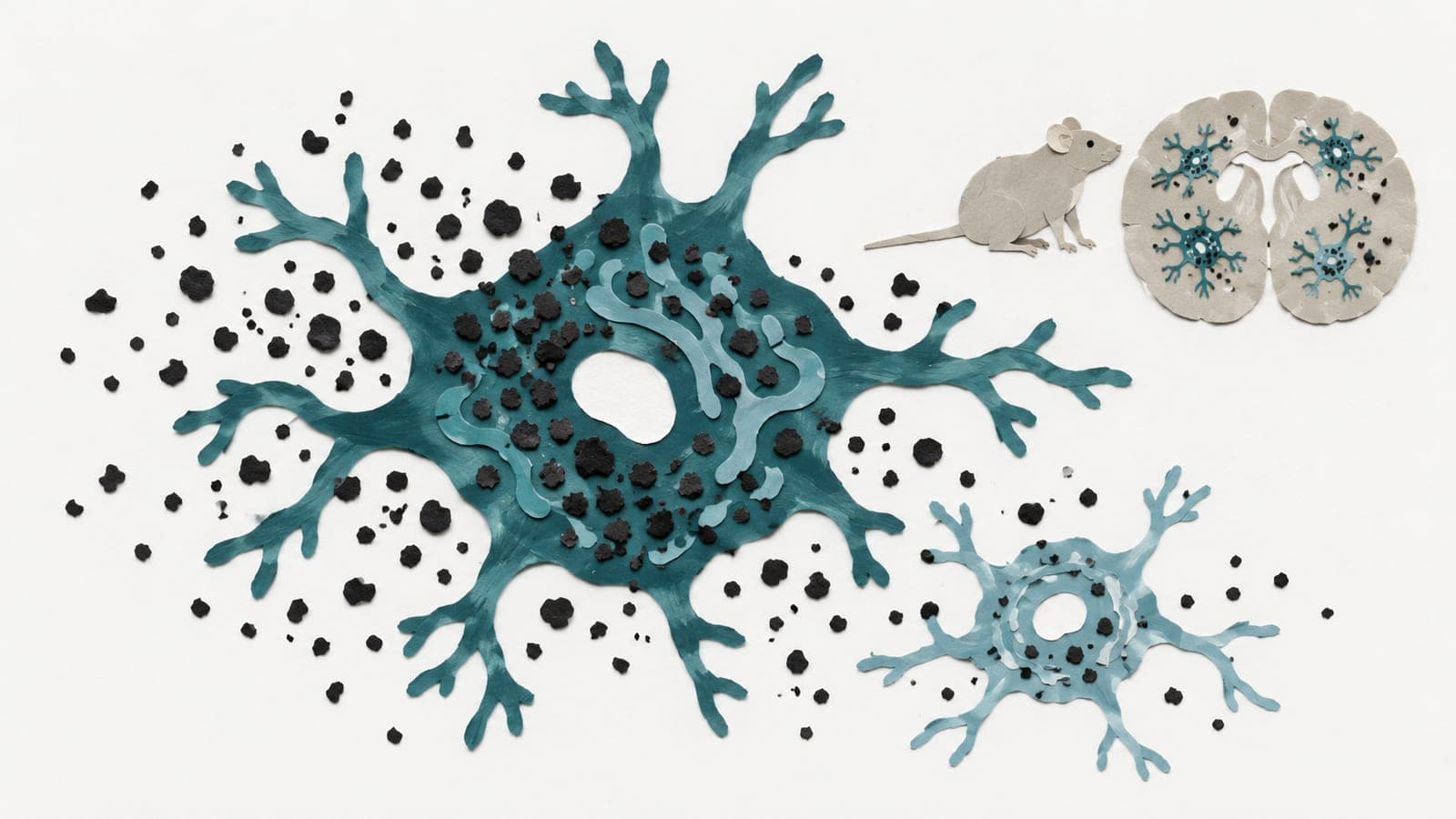
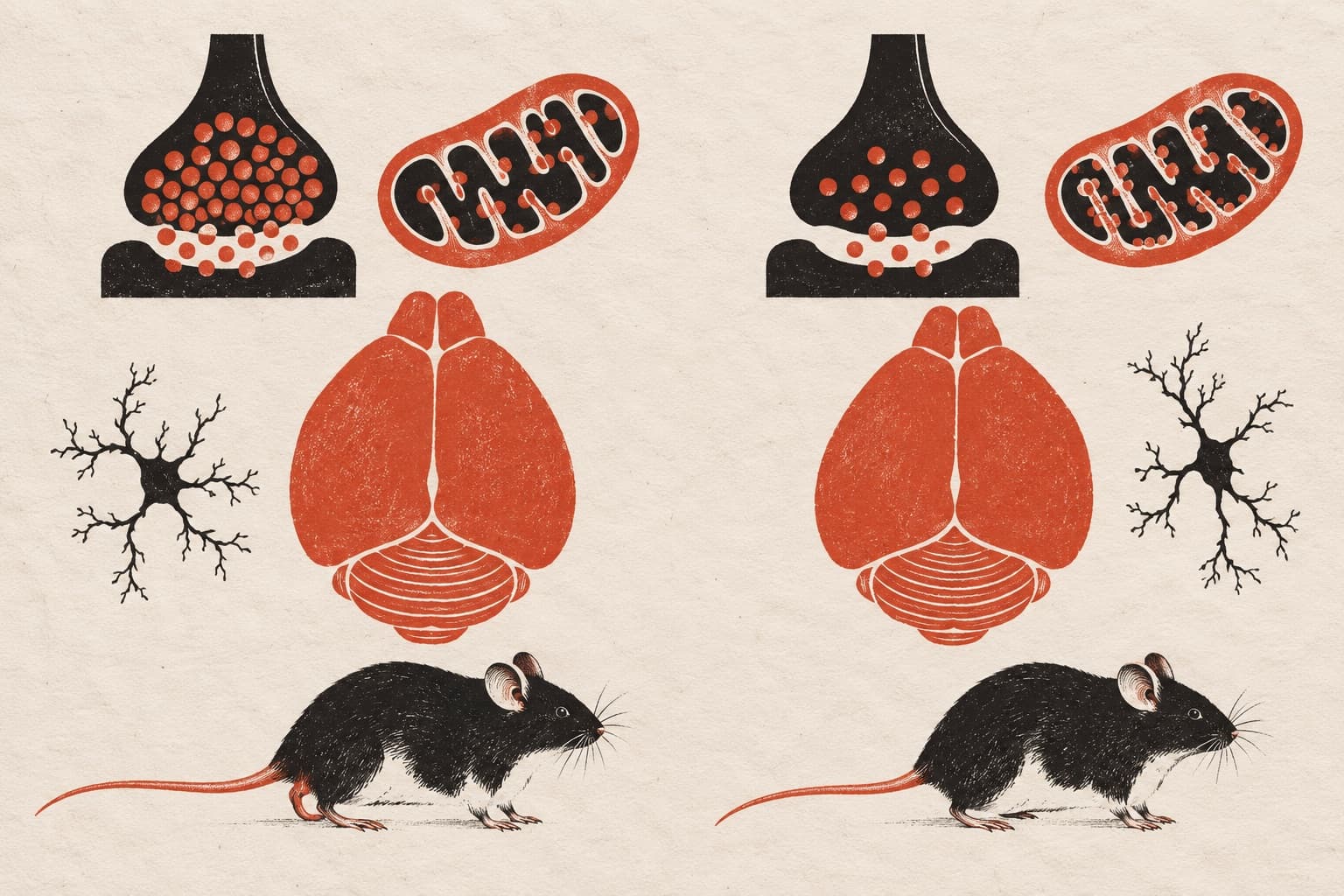
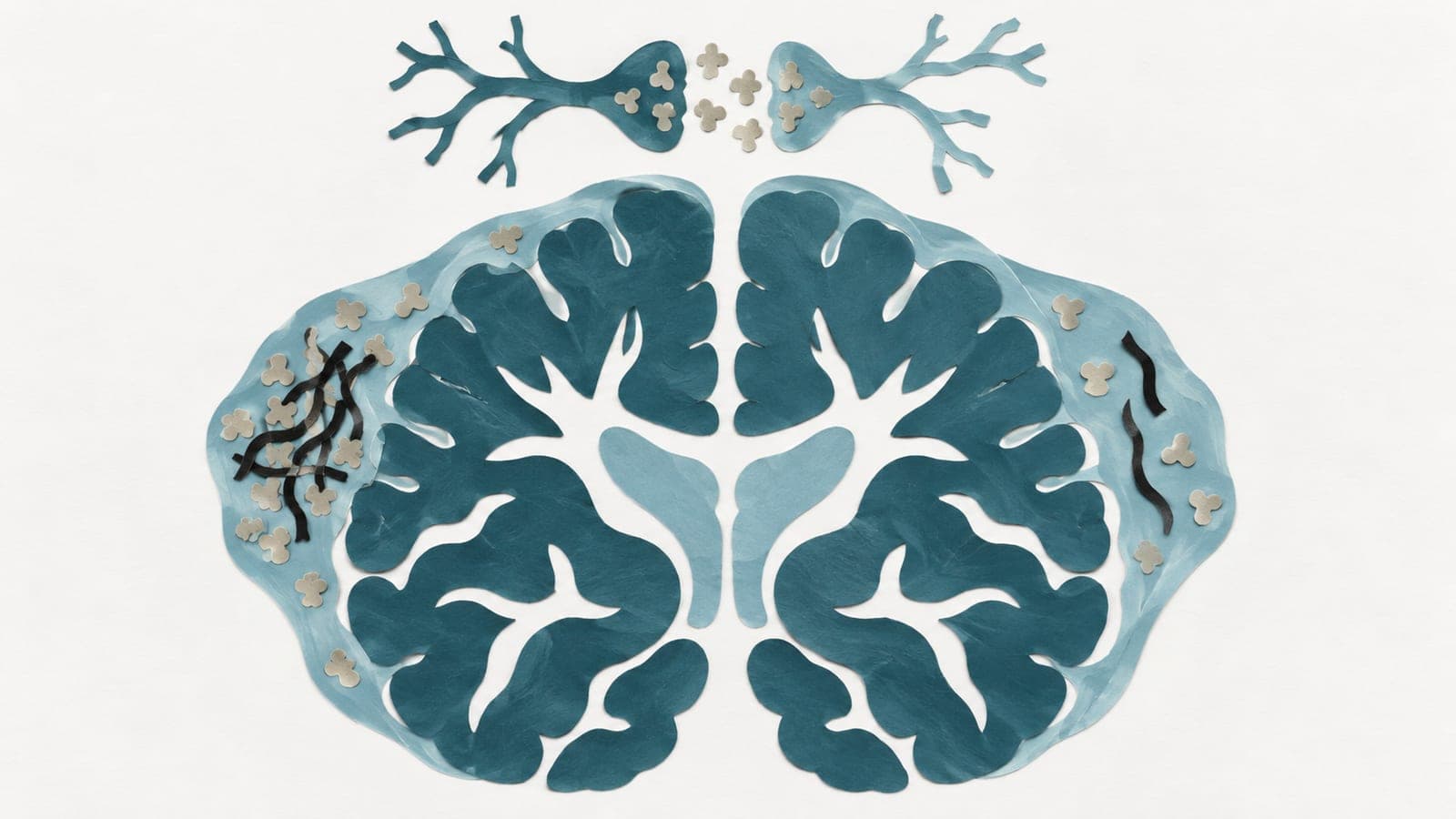
The role of microglia, once seen as bystanders, has recently shifted to that of central regulators in disease pathology. The shift has been observed in M1/M2-polarized microglia to multiple configurations, including disease-associated microglia (DAM), lipid-droplet-accumulating microglia (LDAM), senescent microglia, and interferon-responsive microglia. This chapter provides a comprehensive synthesis of microglial biology across multiple interfaces, including transcriptomic, lipid-associated metabolic, cell senescence, and metabolic reprogramming. Metabolic disharmony in microglia occurs when lipid dysregulation and inflammasome activation occurs, leading to chronic inflammation beyond the basic phagocytic repair function of microglia. The TREM2-associated therapeutic trajectory also shows a translational gap with mechanistic and clinical benefits. We also identify the need for critical disease-associated microglial biomarkers and intervention strategies. Moreover, advanced iPSC-derived microglia and chimeric models often yield specialized organoid co-cultures, accelerating microglia-mediated therapeutic studies. Collectively, this chapter entails microglia as a central player in AD. This positions microglia biology as a metabolically plastic, spatially organized immune-regulated microenvironment that can efficiently aid in reprogramming and AD therapeutics.
The paper
Indian Institute of Technology Indore
Advances in Immunology, Jul 7, 2026