Do We Need Body Composition Analysis in Patients with Obesity? A Rethinking of Body Composition Assessment in Preclinical and Clinical Obesity
Abstract
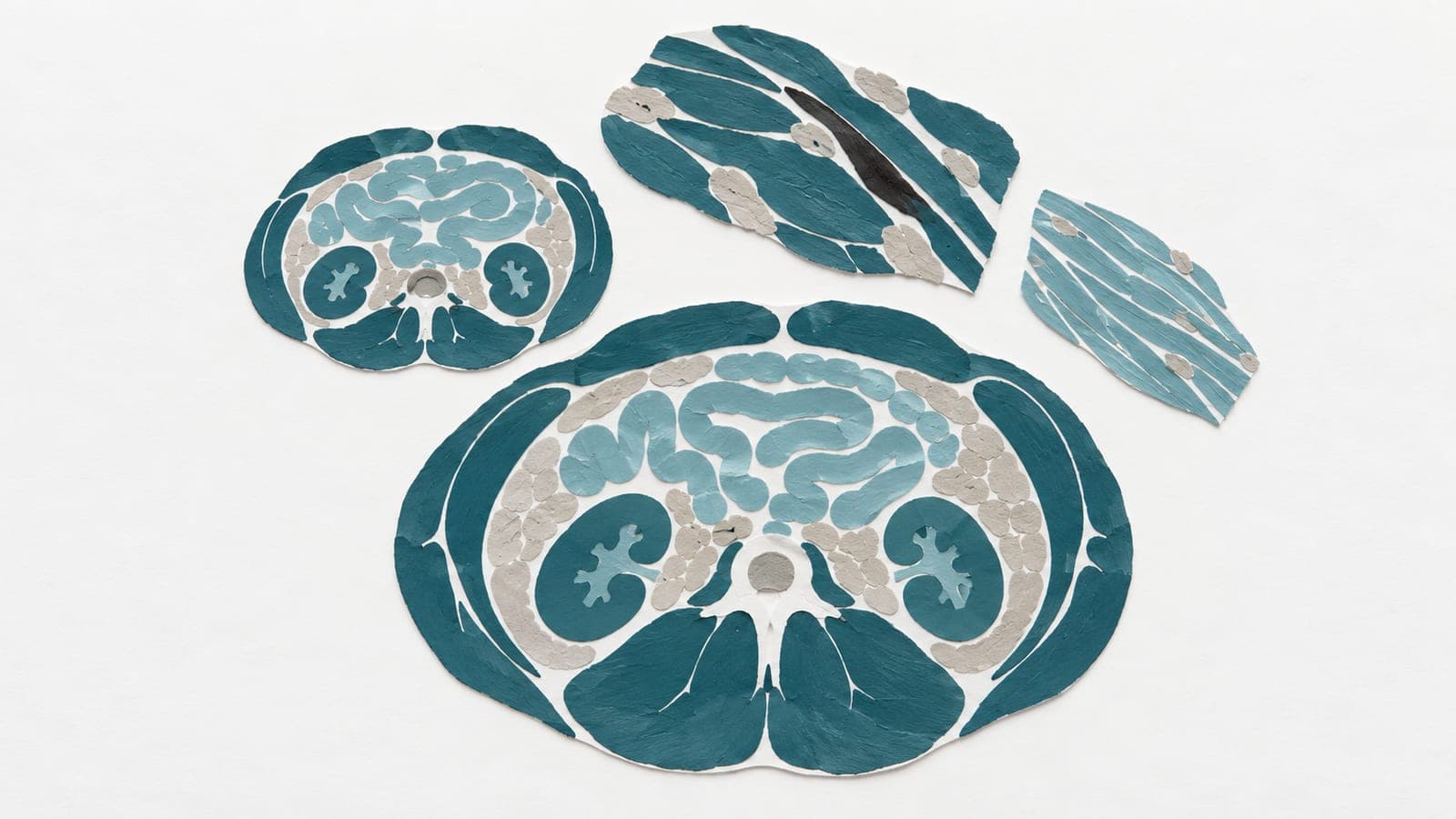
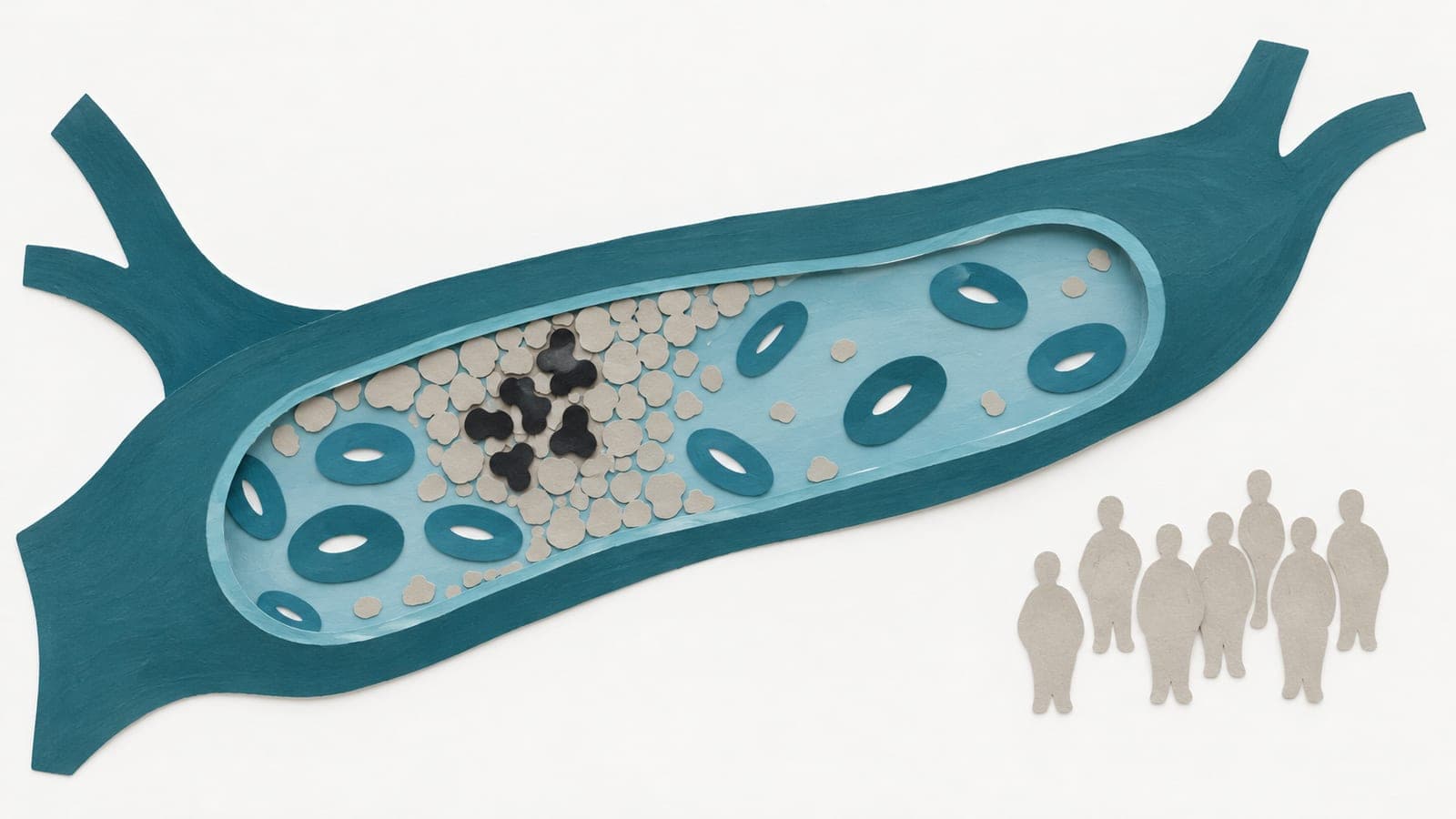
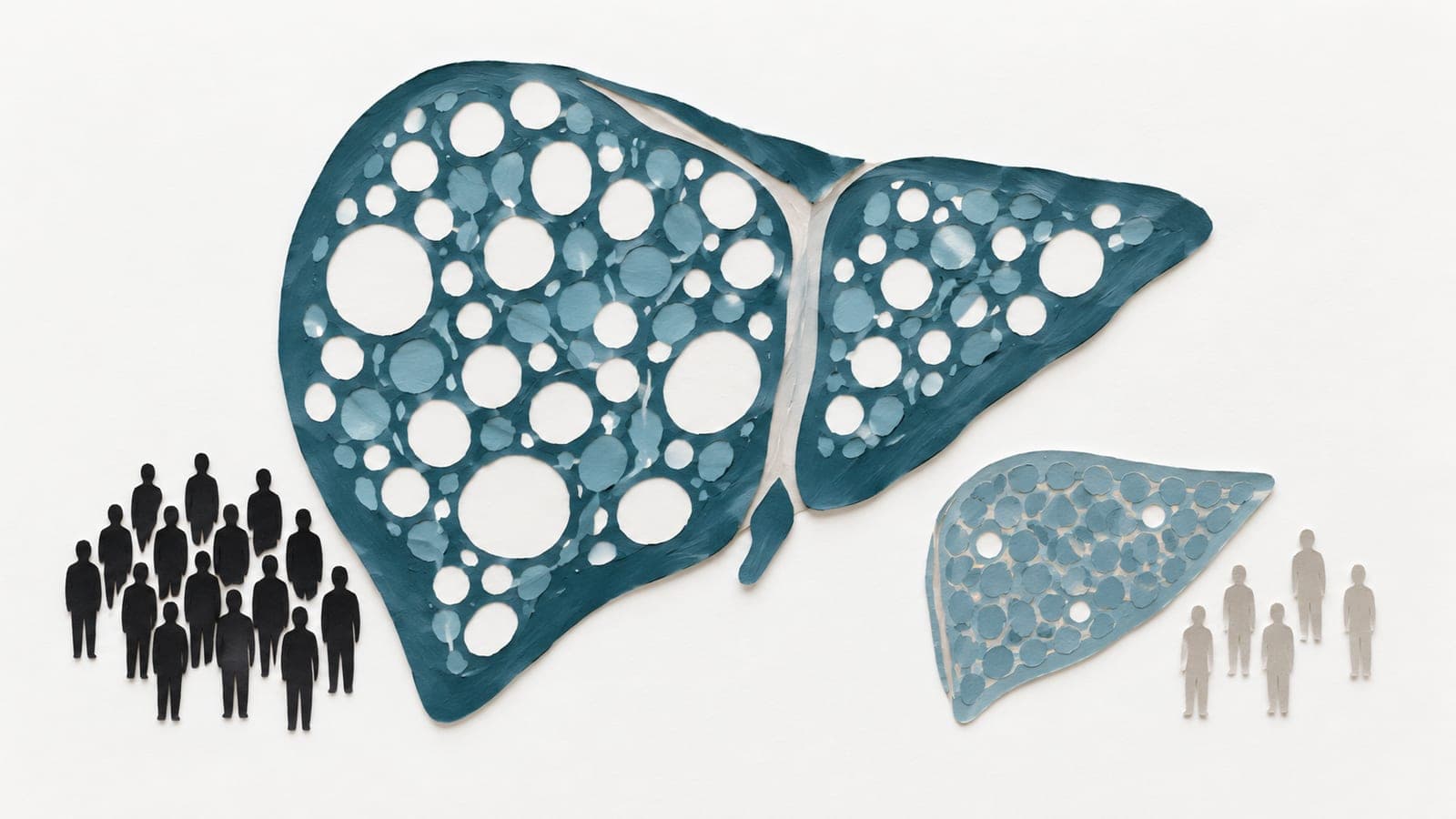
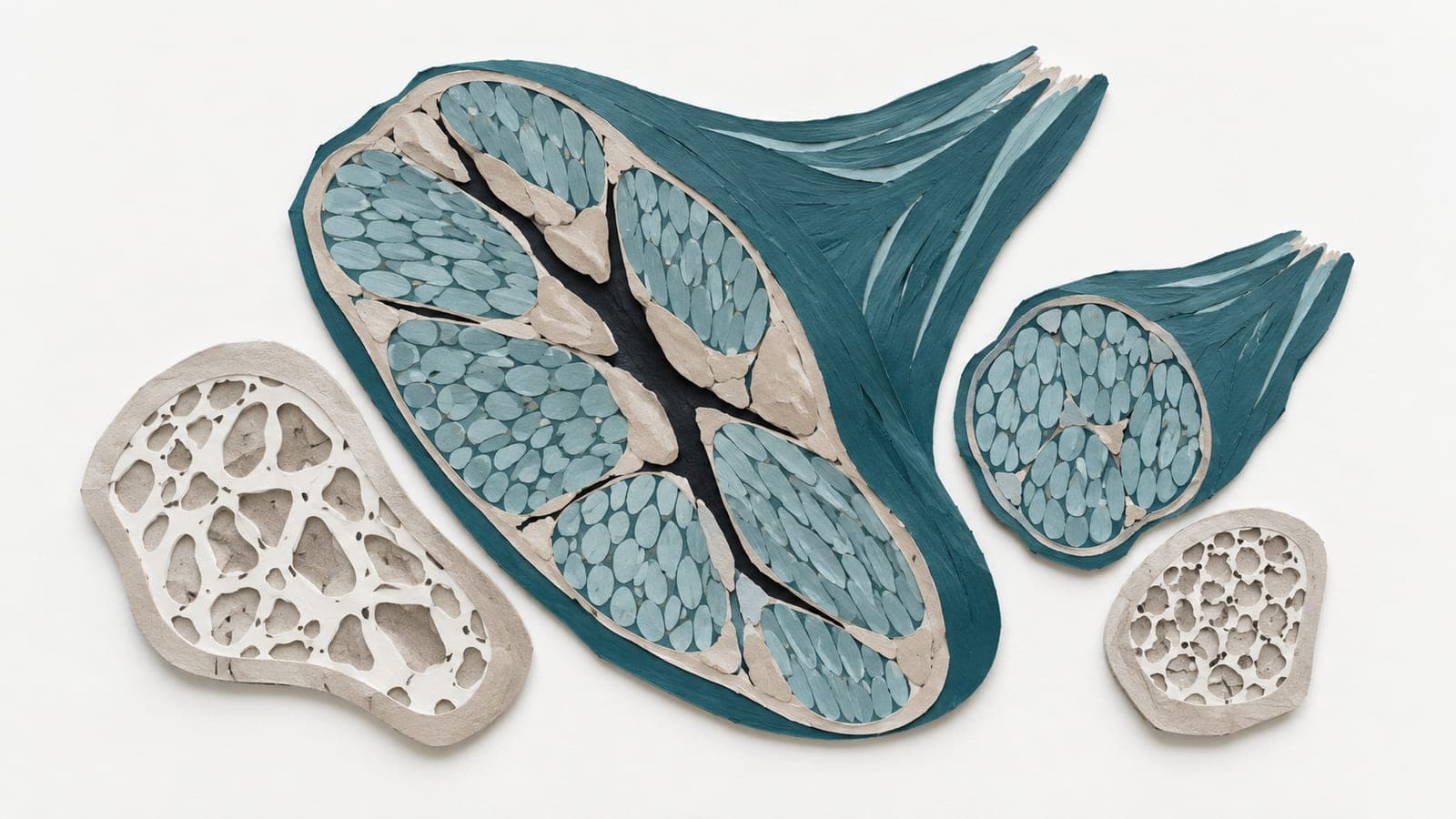
BACKGROUND: Recent consensus statements from the European Association for the Study of Obesity and the 2024 Lancet Obesity Commission have renewed the debate on how obesity should be defined and clinically characterized. Although both frameworks acknowledge the limitations of body mass index (BMI), they continue to rely largely on anthropometric measures, including BMI and waist circumference, for diagnosis and risk stratification. Body composition analysis (BCA), however, has received comparatively little attention. Obesity is a heterogeneous condition characterized not only by excess adiposity but also by differences in fat distribution, ectopic fat accumulation, and skeletal muscle mass. Advances in imaging and body composition methodology now enable a more detailed assessment of these components and their metabolic consequences. SUMMARY: This perspective examines the potential role of BCA in the assessment of preclinical and clinical obesity. Rather than focusing on what can technically be measured, we address the clinically relevant questions of what should be measured and in which patients. Specifically, we discuss whether fat mass should replace BMI for diagnosing obesity, whether visceral adipose tissue should replace waist circumference for cardiometabolic risk assessment, whether liver fat should be routinely assessed, and whether skeletal muscle mass should be evaluated in clinical practice. KEY MESSAGES: BCA provides clinically relevant information that complements, rather than necessarily replaces, traditional anthropometric measures. When used selectively, BCA may improve risk stratification, facilitate the monitoring of treatment responses, and support more individualized management strategies for patients with obesity.
The paper
Christian-Albrechts-Universität zu Kiel
Obesity Facts, 19 Aug 2026