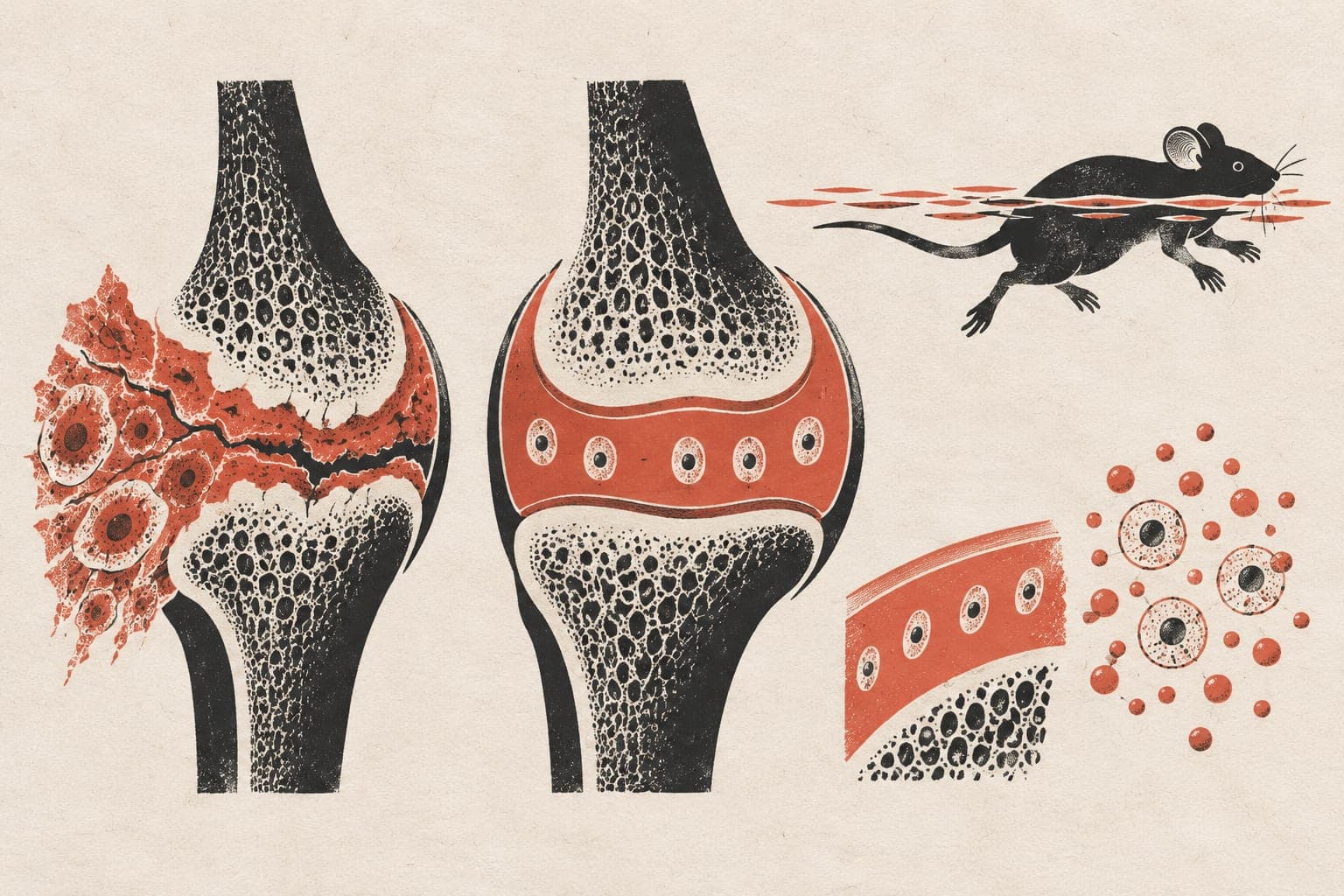
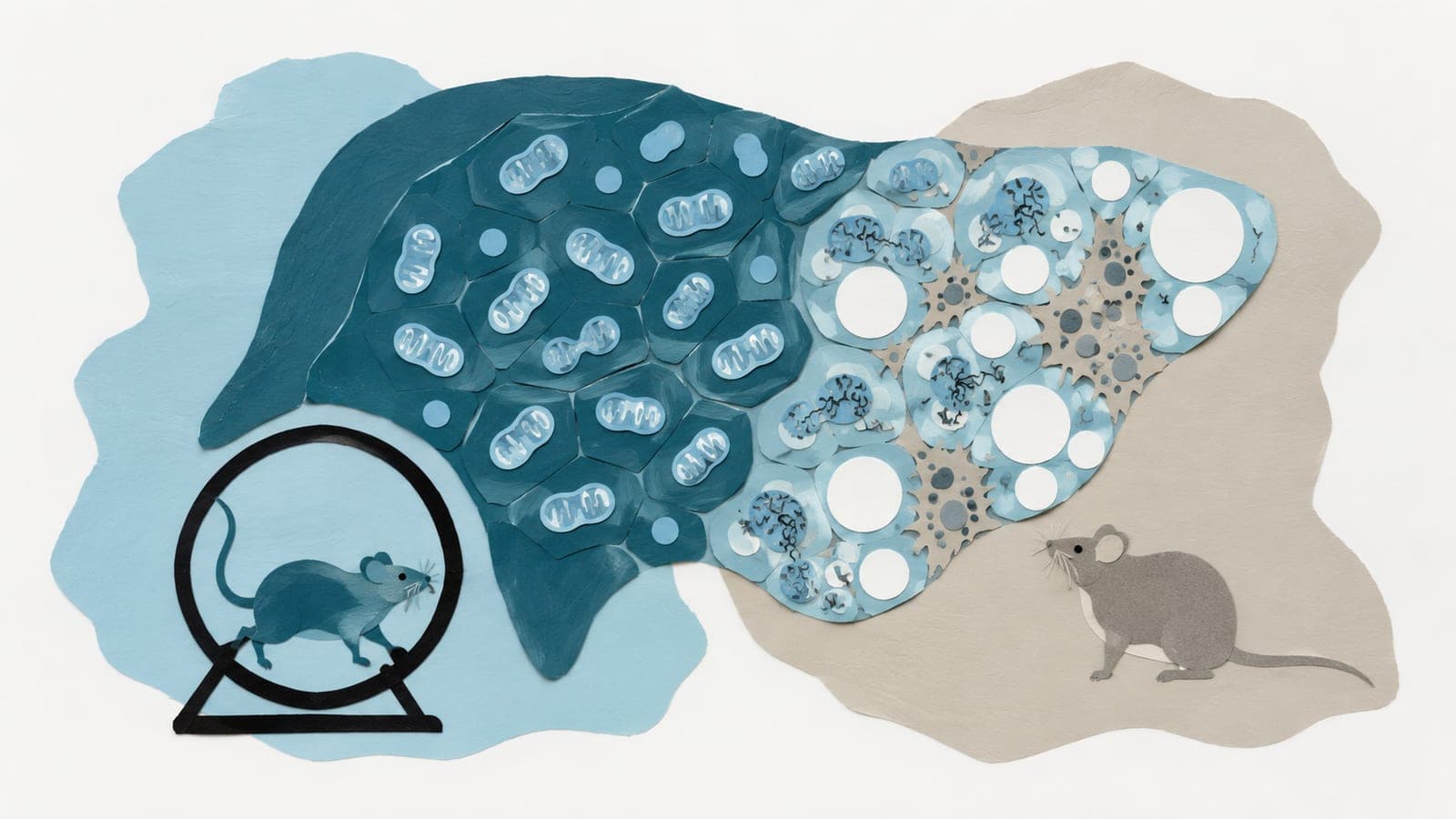
Physical activity delayed ovarian aging in mice
Experiments in mice found that the effects of physical activity on ovarian aging depended in part on adiponectin, a hormone.
152,435 participants, cross-sectional study
Limit: Reproductive lifespan results are reported for AdipoRon, not physical activity
Edited by Boris Djordjevic · AgingResearch.News
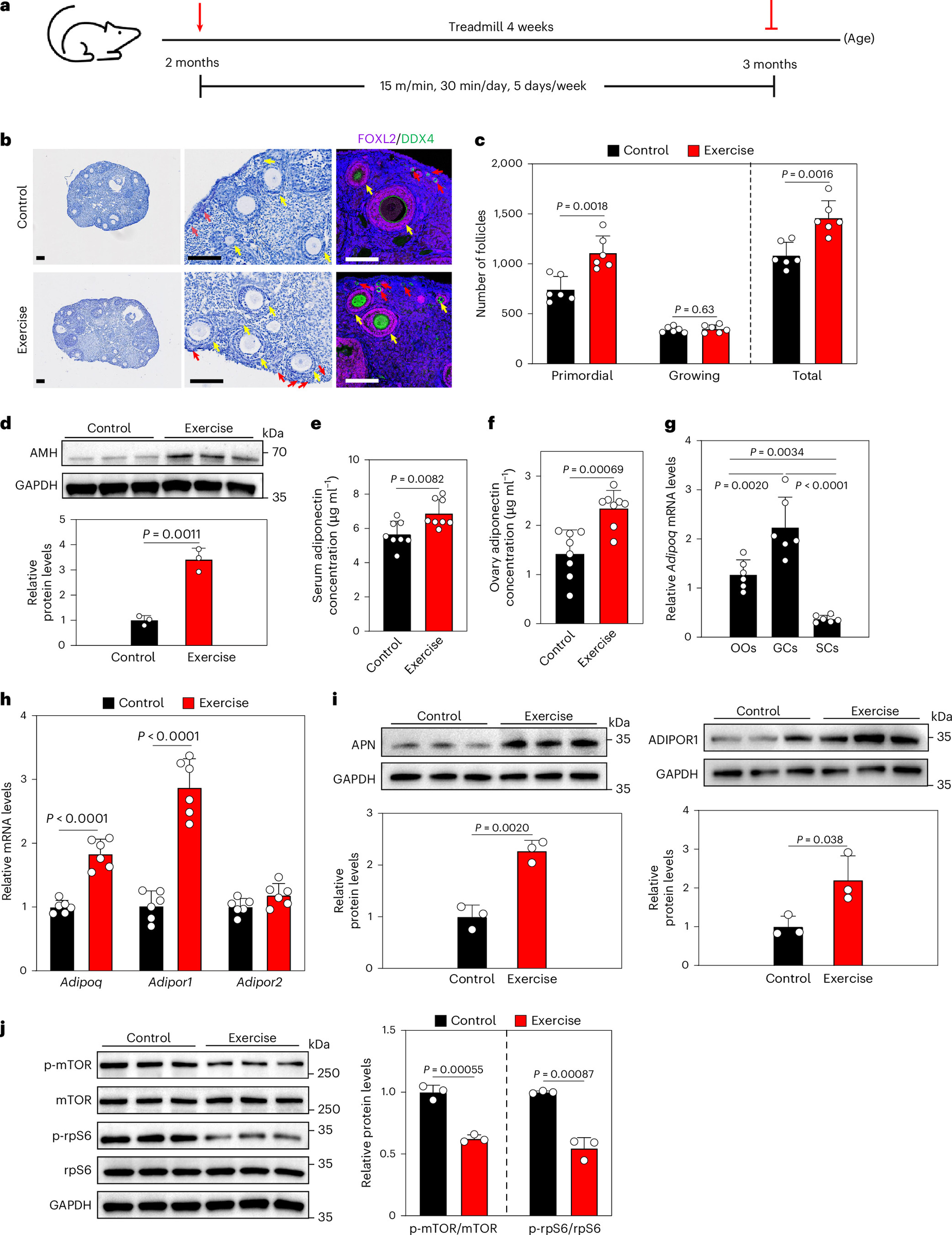
In experiments in mice, higher levels of physical activity delayed ovarian aging. Activity also increased adiponectin, a hormone, in the ovaries. The benefits for ovarian aging weakened in mice lacking adiponectin. AdipoRon, a compound that activates a signal-receiving protein for adiponectin, delayed ovarian aging and extended reproductive lifespan in mice.
The researchers also analyzed cross-sectional data from 152,435 UK Biobank participants. Postmenopausal participants had lower activity levels than premenopausal participants. Another cross-sectional study of 12,418 participants in the US National Health and Nutrition Examination Survey supported this finding. These human studies compared people at one point in time rather than tracking changes in ovarian aging.
Why it matters
Ovarian aging contributes to infertility, disrupted hormone regulation and increased chronic disease risk. The authors highlighted potential targets for extending reproductive lifespan.
Caveats
The cross-sectional human studies cannot establish whether physical activity delayed ovarian aging. The evidence for delaying ovarian aging and extending reproductive lifespan came from mice, not people.
Exercise is part of Bryan Johnson's Blueprint
The paper
Physical activity delays ovarian aging in part through adiponectin-related signaling pathways
Chinese University of Hong Kong
Nature Aging, Aug 14, 2026
doi.org/10.1038/s43587-026-01177-0PubMed 42601407
Corrected, Sep 24, 2026