UV irradiation drives lineage-specific MITF-mediated transcription of PD-L1 to confer immune tolerance to UV-mutated melanocytes
Abstract
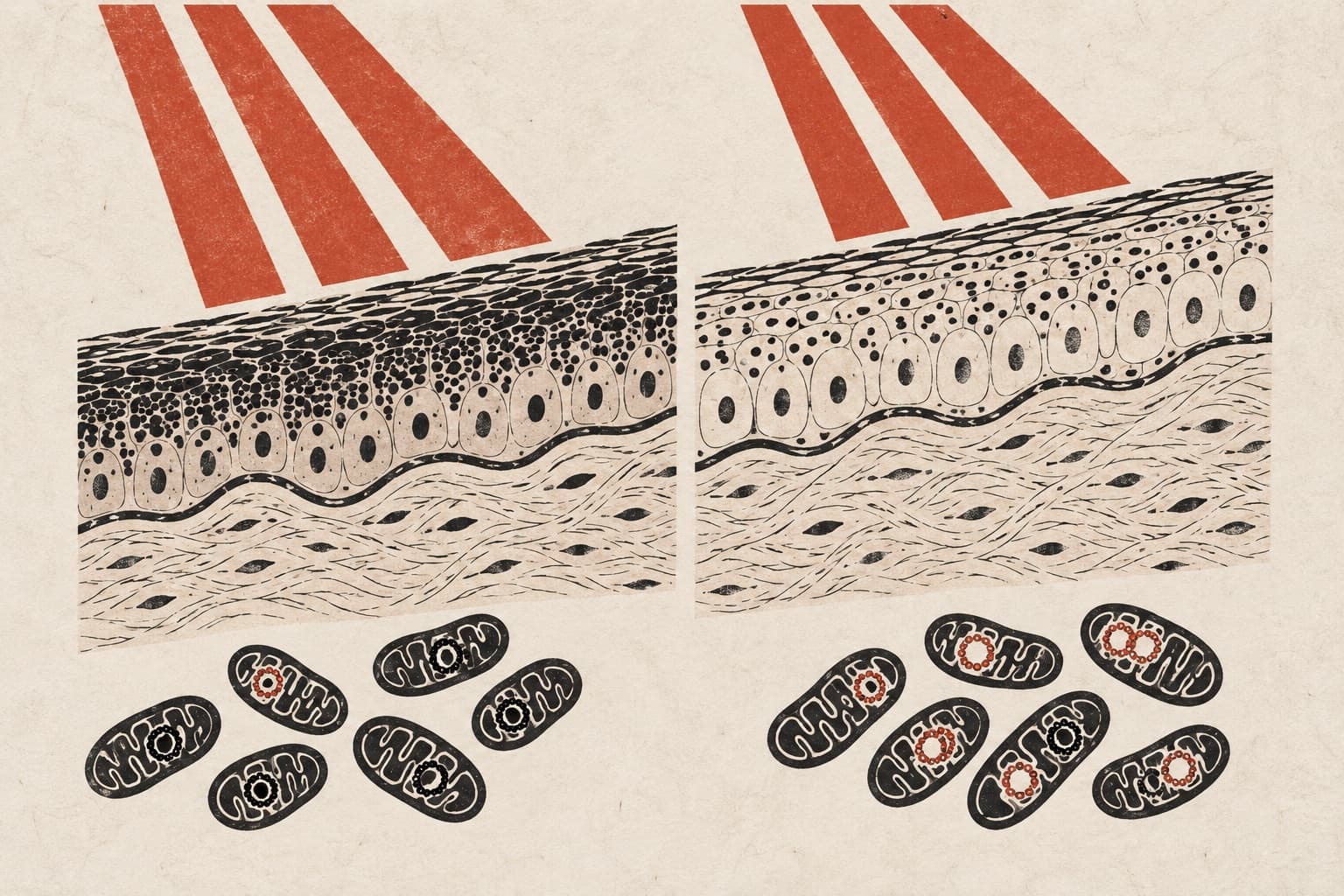
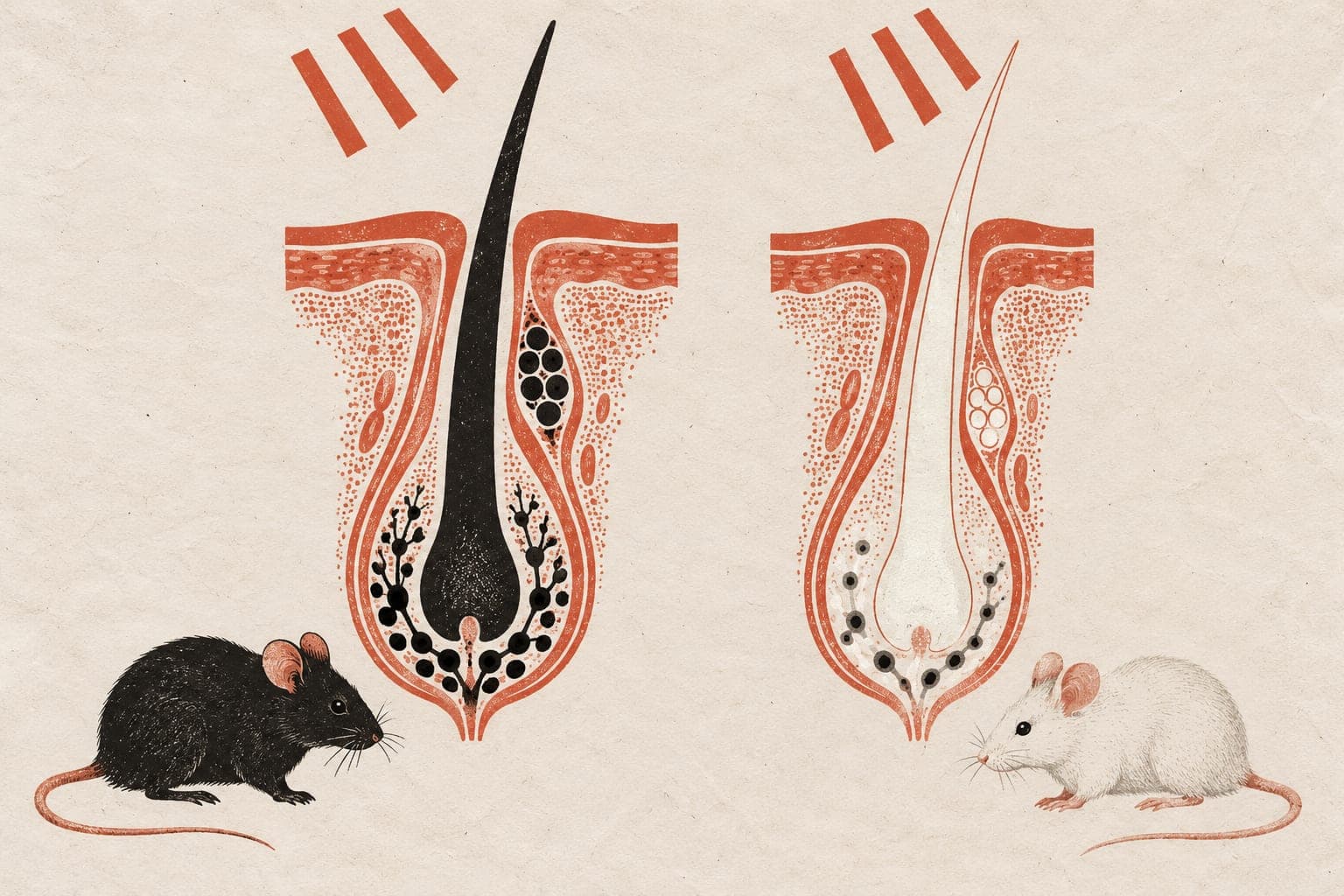
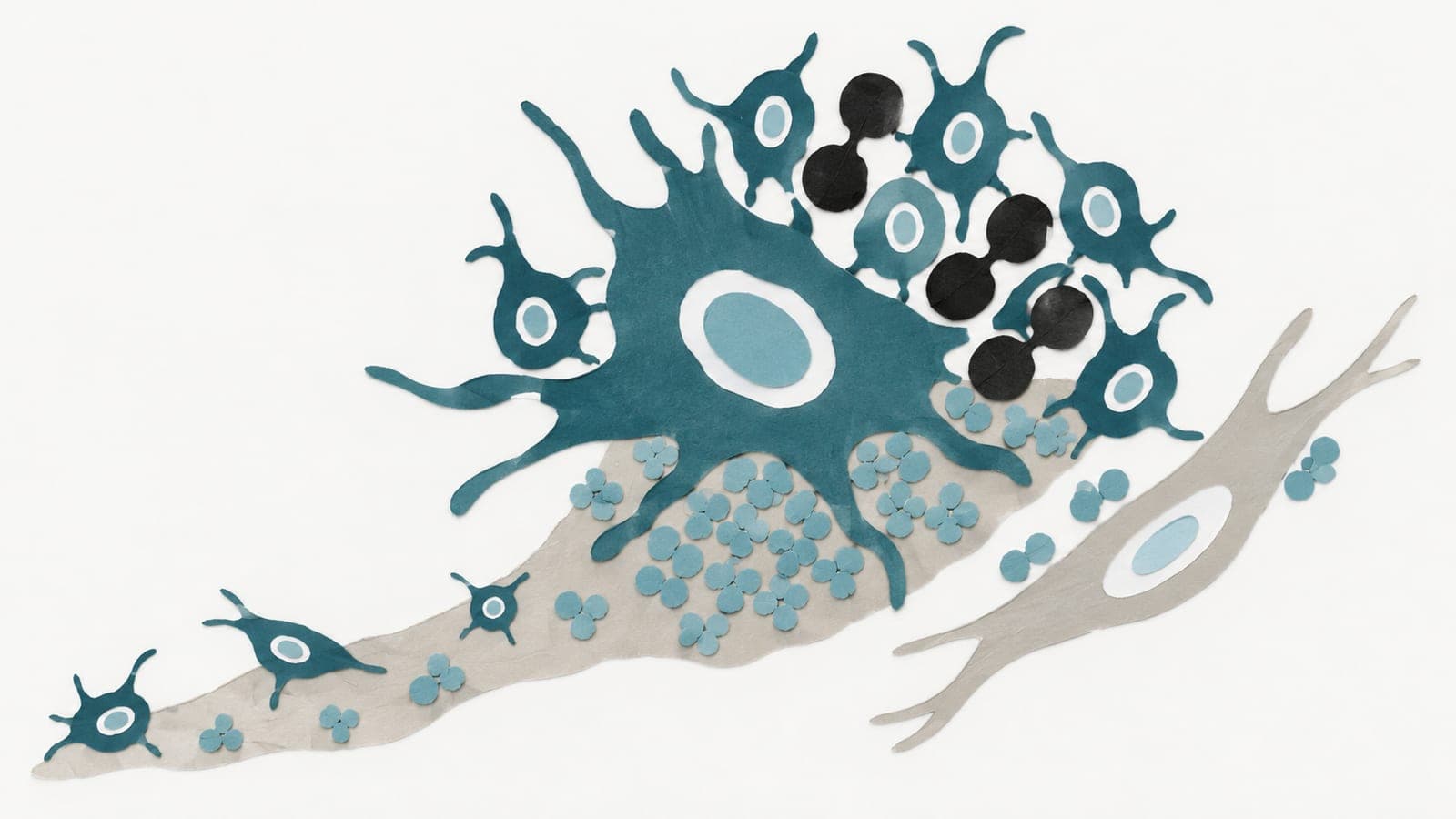
UV radiation (UVR) drives high mutational burdens, yet precursor melanocytes accumulate these mutations without triggering immune clearance. Here, we investigated whether melanocyte-intrinsic transcriptional program(s) underlie immune tolerance to mutations resulting from UVR exposure. In primary human melanocytes, expression of PD-L1 (CD274) was dependent on microphthalmia-associated transcription factor (MITF), a crucial regulator of melanocyte development and an intermediate in the UV-tanning pathway. MITF directly activated PD-L1 transcription by binding a conserved upstream enhancer containing functional E-box elements. MITF determined both baseline melanocytic PD-L1 expression in healthy skin and its induction following UVR, independent of interferon signaling. Melanocyte-restricted Pd-l1 deletion in mice triggered CD8⁺ T cell infiltration and depigmentation after long-term UVB exposure, recapitulating features of human vitiligo. PD-L1-deficient human induced pluripotent stem cell (iPSC)-derived melanocytes underwent increased apoptosis and were more susceptible than PD-L1-intact melanocytes to gp100-specific CD8⁺ T cell killing. Thus, a melanocyte-intrinsic MITF-PD-L1 tolerance program protects melanocytes from autoimmune destruction, potentially facilitating early immune evasion during melanoma development and conversely underlying the responsiveness of melanoma to PD-1/PD-L1 blockade.
The paper
Broad Institute; Harvard University
Immunity, 13 Aug 2026
doi.org/10.1016/j.immuni.2026.07.018PubMed 42594873
Corrected, 13 Oct 2026