Zero calcium scores missed plaque in Malaysian patients
Among patients with zero calcium scores, 23.9% had plaque in their heart arteries on a second type of scan, including 3.5% with obstructive disease.
Our read
Biomarkers- Studied:
- Cohort study of 5,375 asymptomatic patients
- What changed:
- Among patients with a zero calcium score, 23.9% had plaque visible on angiography
- The catch:
- The cohort was selected specifically to study missed plaque, not broader screening populations
- Why it’s aging research:
- It bears on staying healthy in midlife and later life.
Editor of record: Boris Djordjevic · AgingResearch.News
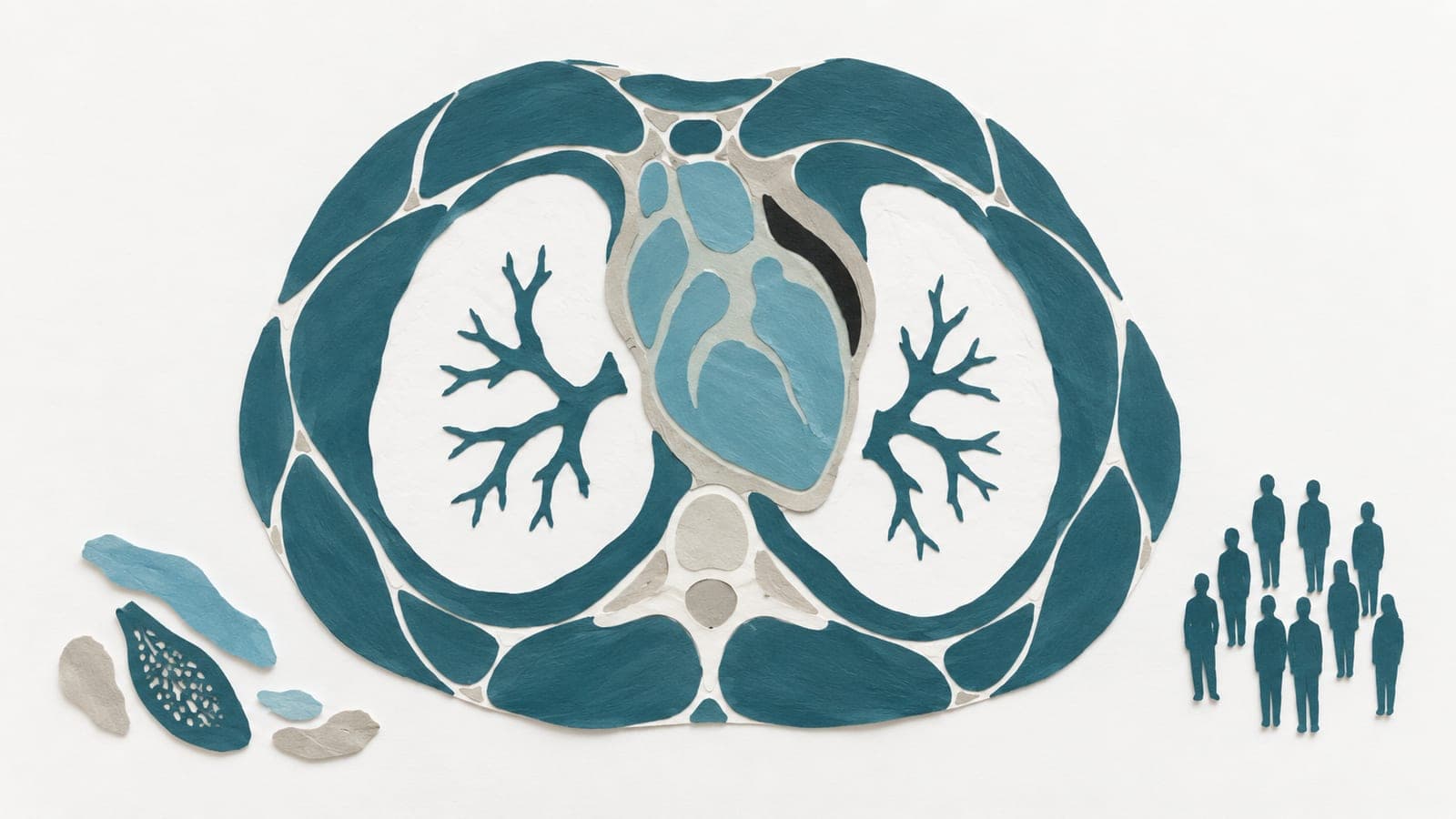
In 5,375 patients without symptoms at a medical center in Kuala Lumpur, Malaysia, a retrospective observational study compared paired heart scans collected over 20 years. Patients underwent both coronary artery calcium scoring, which measures calcium deposits, and coronary CT angiography, which images the heart’s arteries.
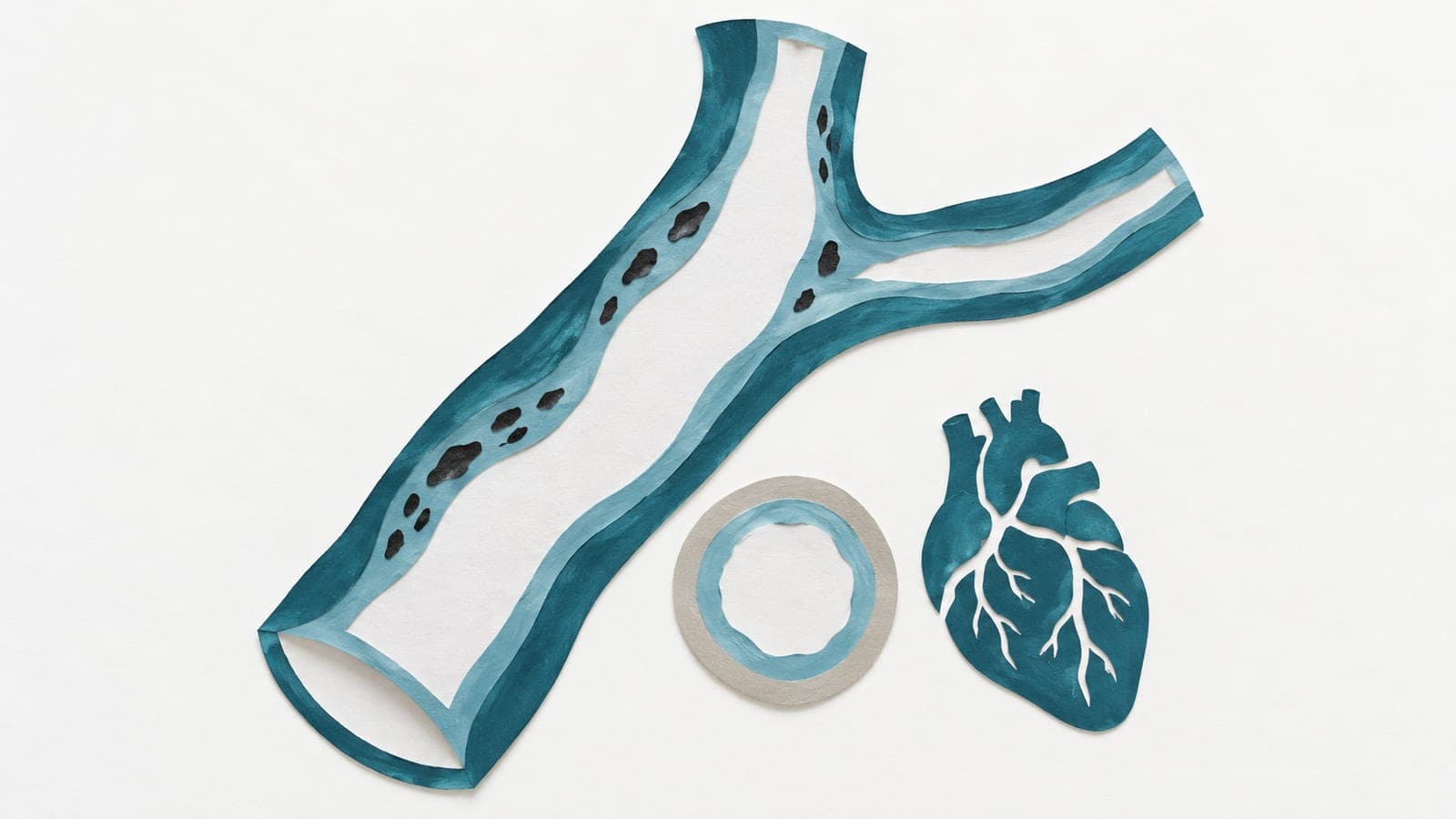
Among patients with a zero calcium score, 23.9% had plaque, a buildup in artery walls, visible on angiography. This included 3.5% with obstructive disease, in which plaque narrows the arteries. Missed disease peaked in men aged 40–44 and women around menopause aged 55–59. The authors interpreted the findings as a “pre-calcific window,” during which plaque accumulates before it calcifies.
Why it matters
The age pattern raises questions about when calcium-based screening may miss developing coronary disease. The authors called for confirmatory CT angiography in high-risk younger men and women around menopause.
Caveats
This retrospective cohort was selected specifically to study plaque missed by calcium scoring, so its accuracy estimates may not generalize to broader screening populations. Participants were patients without symptoms at one Malaysian center.
- Coronary artery disease
- Atherosclerosis
- Hidden atherosclerosis
- Coronary artery calcium score
- Zero coronary artery calcium score
- Humans
The paper
Life Care Diagnostic Medical Centre Sdn. Bhd.
The Medical Journal of Malaysia, Jul 2026
Comments
Be the first to comment.