Fiber type specific tibialis anterior muscle atrophy and oxidative capacity reduction is contemporaneous with death of larger lumbar motor neurons in old rats
Abstract
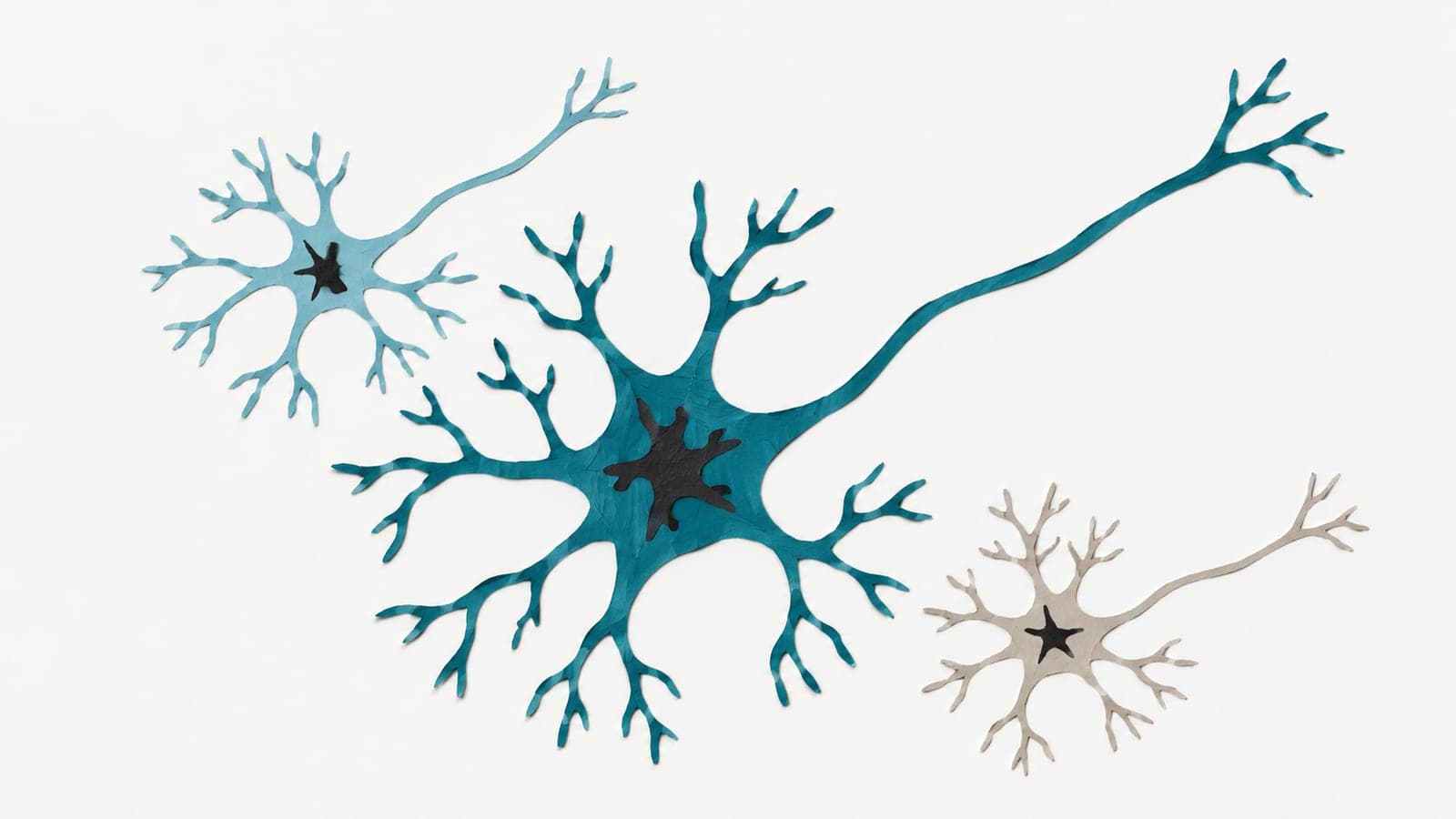
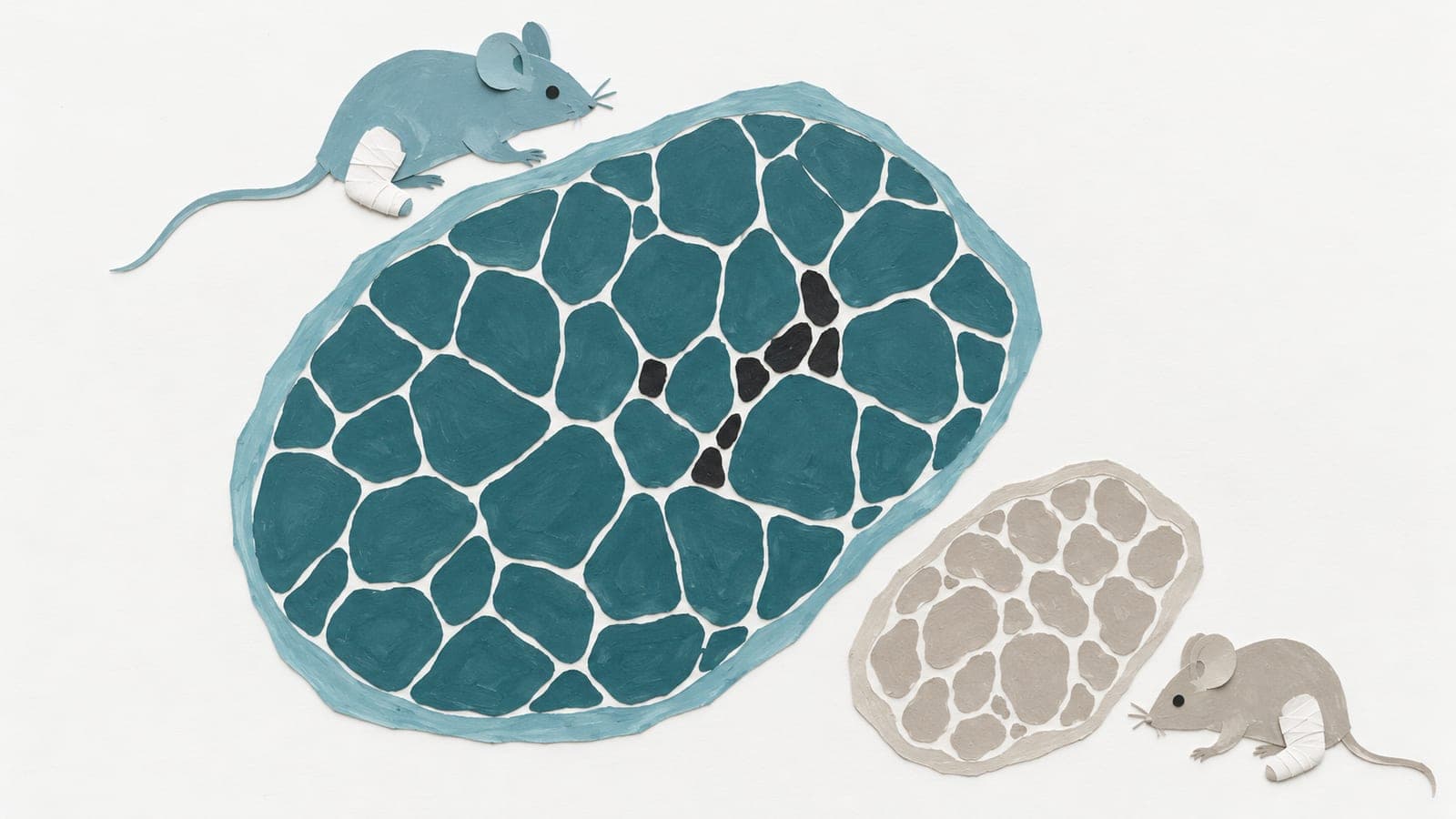
Age-associated muscle weakness and atrophy of limb muscles, termed sarcopenia, is a major factor in the morbidity of the elderly. It is becoming increasingly recognized that a substantial contribution to the sarcopenic phenotype arises from motor neuron (MN) death in old age and subsequent muscle denervation. In human and rodent models, mitochondrial dysfunction is a leading culprit in both muscle and MN deterioration with age. In other motor pools within the Fischer 344 (F344) aging rat model, we showed that sarcopenia is selective to type IIx/b muscle fibers. We also showed a loss of larger MNs and denervation of the IIx/b fibers, which together comprise more fatigable fast (type FF) motor units. This selective vulnerability of larger MNs and type IIx/b muscle fibers to sarcopenia is further reflected by reductions in oxidative capacity of IIx/b fibers, as assayed by determining the maximum velocity of the succinate dehydrogenase reaction (SDHmax). Here, we hypothesize similar changes will occur in F344 tibialis anterior (TA) muscle from young (6-months) and old (24-months) groups. We also predict lumbar MN death in young and old F344 rats. We found selective atrophy of type IIx/b fibers in the TA from old rats. In old age, SDHmax was reduced but only in IIx/b TA fibers. These muscle observations were concomitant with the death of larger lumbar MNs in old age. This study indicates the remarkable selectivity of type FF TA motor units to age-associated perturbations and sarcopenia.