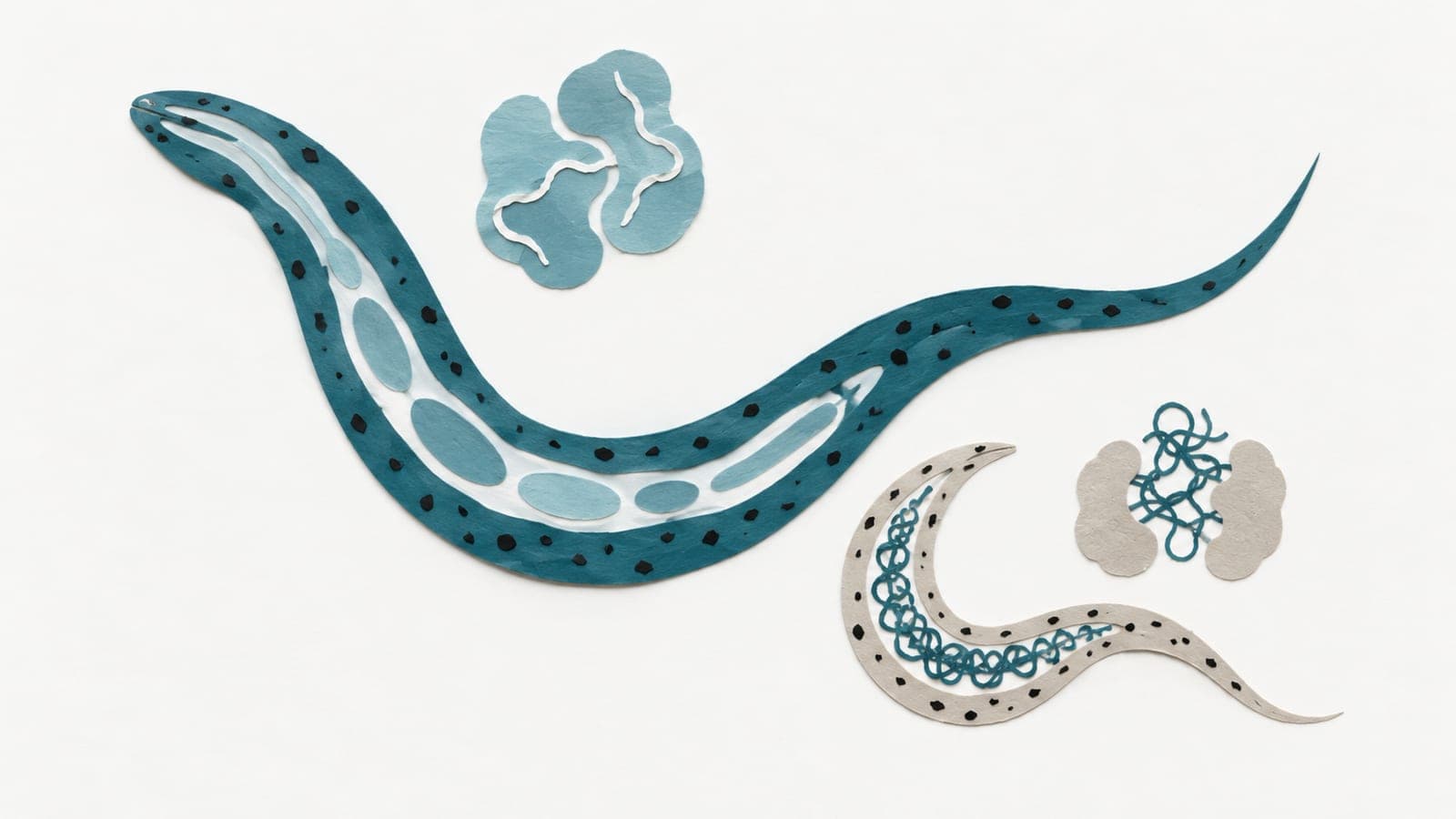
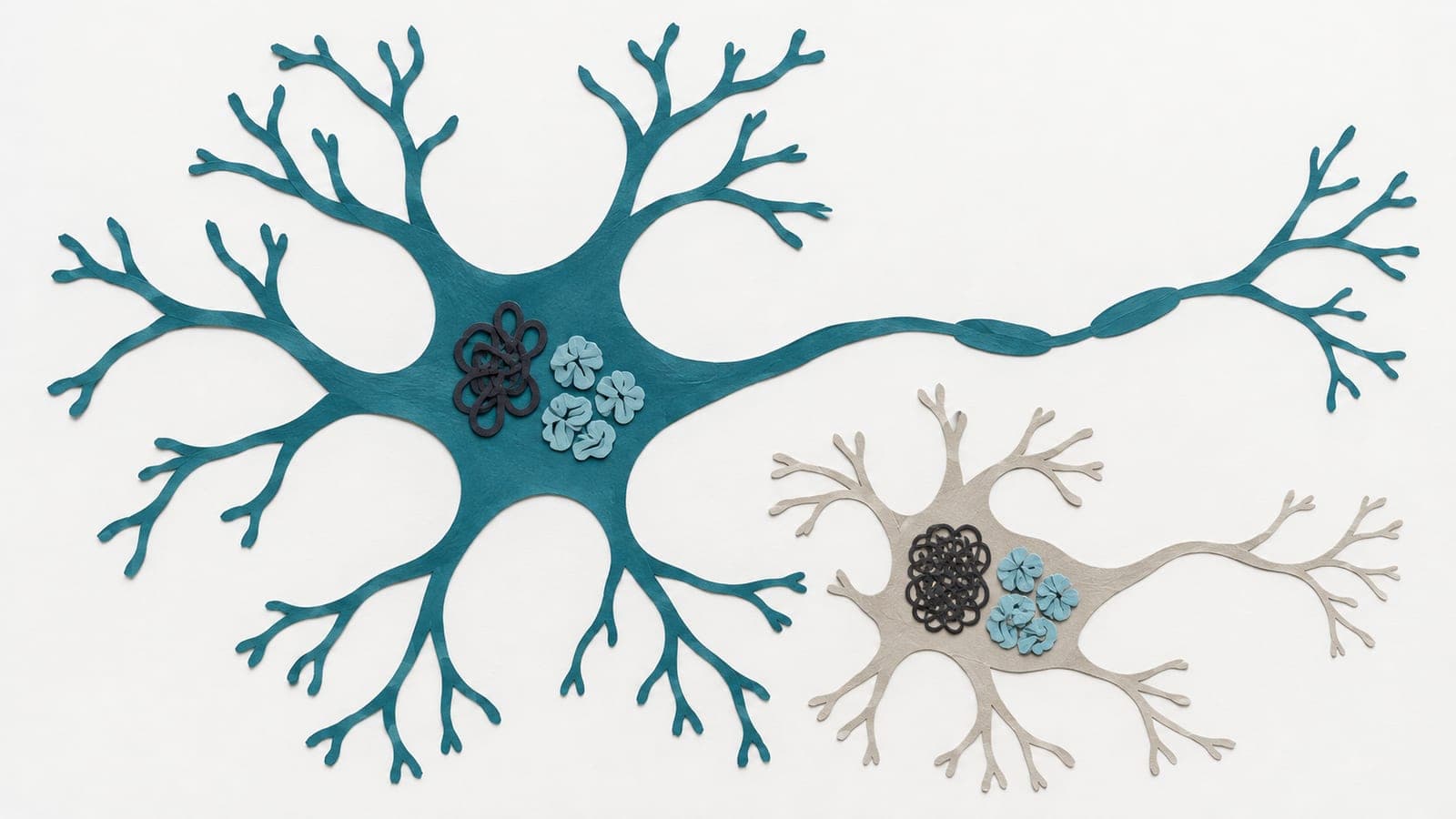
Zizybeoside II From Jujube Fructus Prolongs Lifespan and Mitigates Alzheimer's Disease Progression in Caenorhabditis elegans Through HSF-1/HSP-16.2 Pathway
Abstract
Jujube (Ziziphus jujuba Mill.) has been consumed as a nutraceutical and medicinal food in China for millennia. Recent studies have highlighted the nutritional and bioactive properties of jujube fruit extracts, with potential to mitigate Alzheimer's disease (AD) progression through longevity-enhancing effects. Our previous study explored the lifespan-extending mechanisms of Jujube Fructus extract (JE) in Caenorhabditis elegans (C. elegans). Here, we evaluated the efficacy of zizybeoside II (ZB), separated from JE through HPLC, in extending lifespan and ameliorating AD pathology in C. elegans. The results showed that ZB treatment significantly prolonged C. elegans lifespan while maintaining reproductive capacity, with concurrent enhancements in normal activity and stress resistance during aging. Additionally, we found that ZB effectively alleviated various β-Amyloid (Aβ)-induced neurotoxic phenotypes in AD worms, including paralysis and behavioral deficits. Mechanistic investigations in N2a/APP695 cells demonstrated that ZB reduced the accumulation of Aβ and phosphorylated tau (p-Tau) proteins, diminished oxidative stress levels through the HSF-1/HSP16.2 pathway, and thereby slowed the progression of AD. This study provides a theoretical basis for the subsequent clinical trials of ZB in delaying AD.
The paper
Henan Medical University
Food Science & Nutrition, 24 Jul 2026, Open access