Immune cells lacking a protein accelerated aging in mice
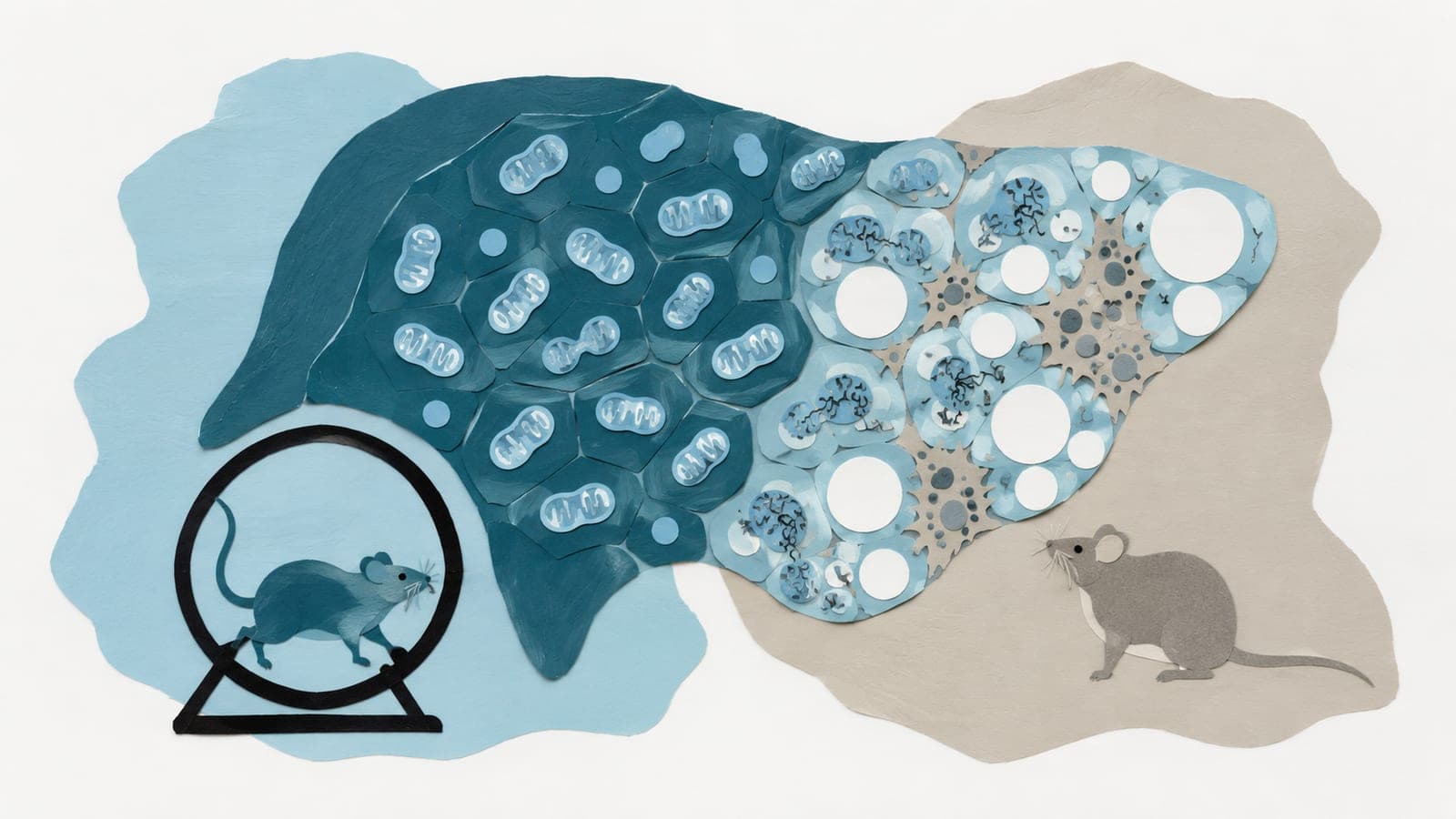
Macrophages without Lamtor5 developed signs of senescence, and transferring them into young mice accelerated aging.
Limit: The abstract does not report the measures used to assess accelerated aging
Edited by Boris Djordjevic · AgingResearch.News
In experiments involving mice and macrophages, a type of immune cell, researchers studied how the protein Lamtor5 affected senescence, a state in which cells stop dividing. Macrophages lacking Lamtor5 showed signs of senescence, metabolic defects and aging-related patterns of gene activity resembling those in macrophages from naturally aging mice.
Transferring senescent macrophages lacking Lamtor5 into young mice accelerated aging. Transplanting young macrophages or eliminating senescent cells corrected signs of aging in mice engineered to lack Lamtor5 in a group of immune cells. Lamtor5 also bound to cGAS, a DNA-sensing enzyme, and promoted its breakdown. Treatments targeting this enzyme or its point of contact with Lamtor5 alleviated age-related inflammation and tissue dysfunction in aged mice.
Why it matters
The authors propose therapies aimed at macrophages as a possible route to healthier aging, based on these cells’ role in age-related immune changes.
Caveats
These were experiments in mice and immune cells, not tests of therapies in people. The abstract does not report animal numbers or the measures used to assess accelerated aging.
The paper
Nanjing University of Chinese Medicine; Zhejiang Shuren University
Cell Death and Differentiation, Jul 16, 2026