Defective lysosomal acidification promotes chondrocyte senescence and autophagic flux stagnation in geriatric osteoarthritis
Abstract
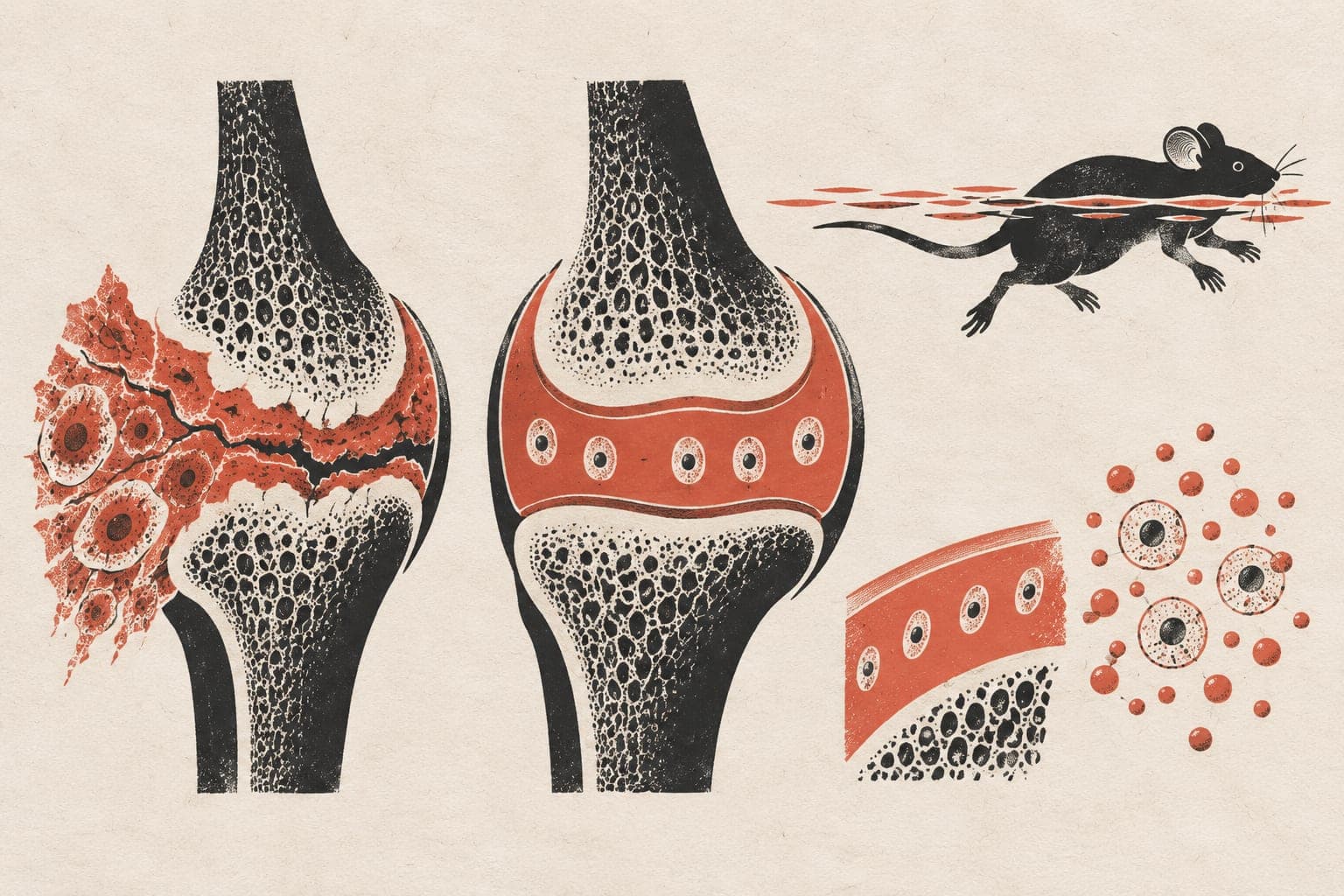
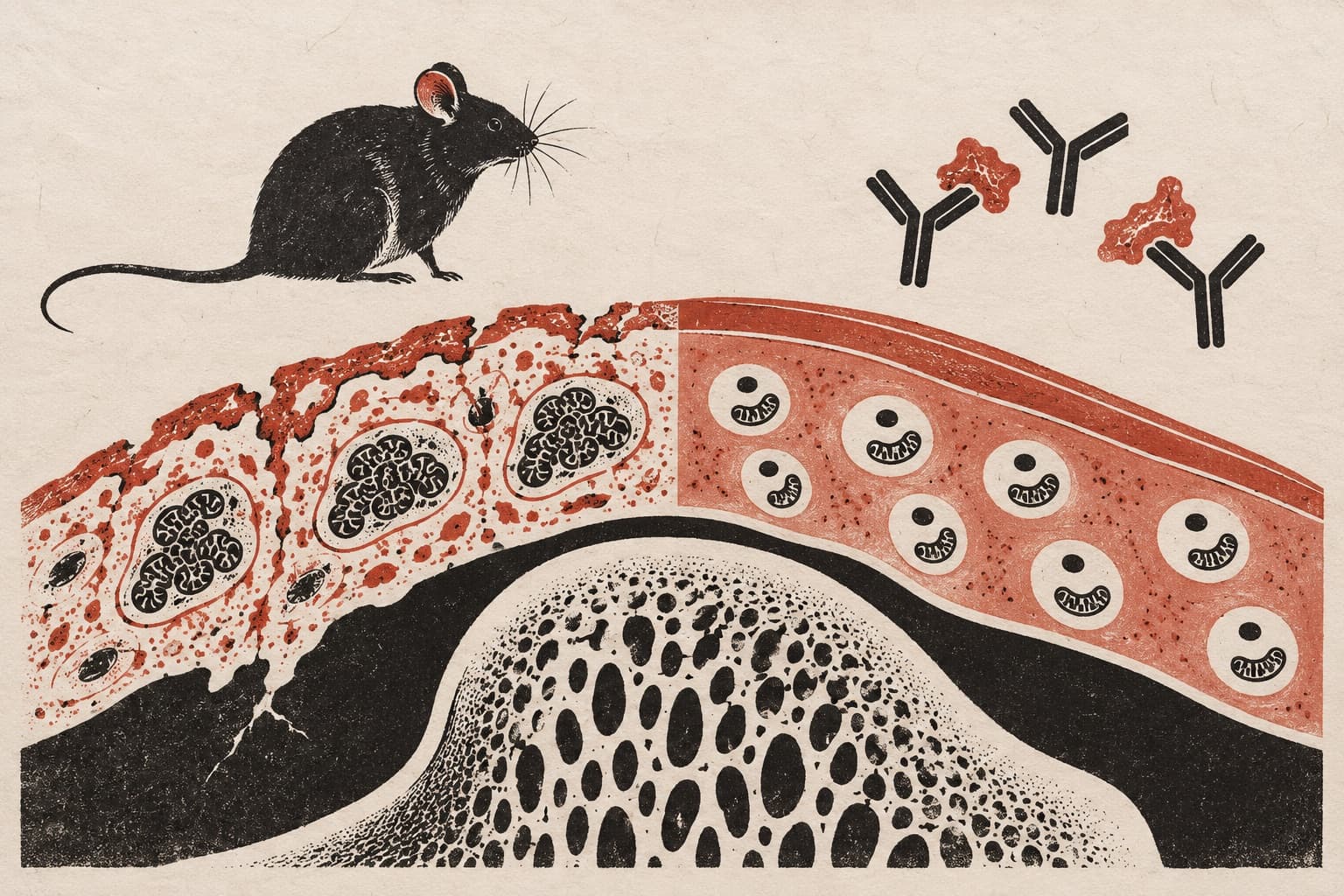
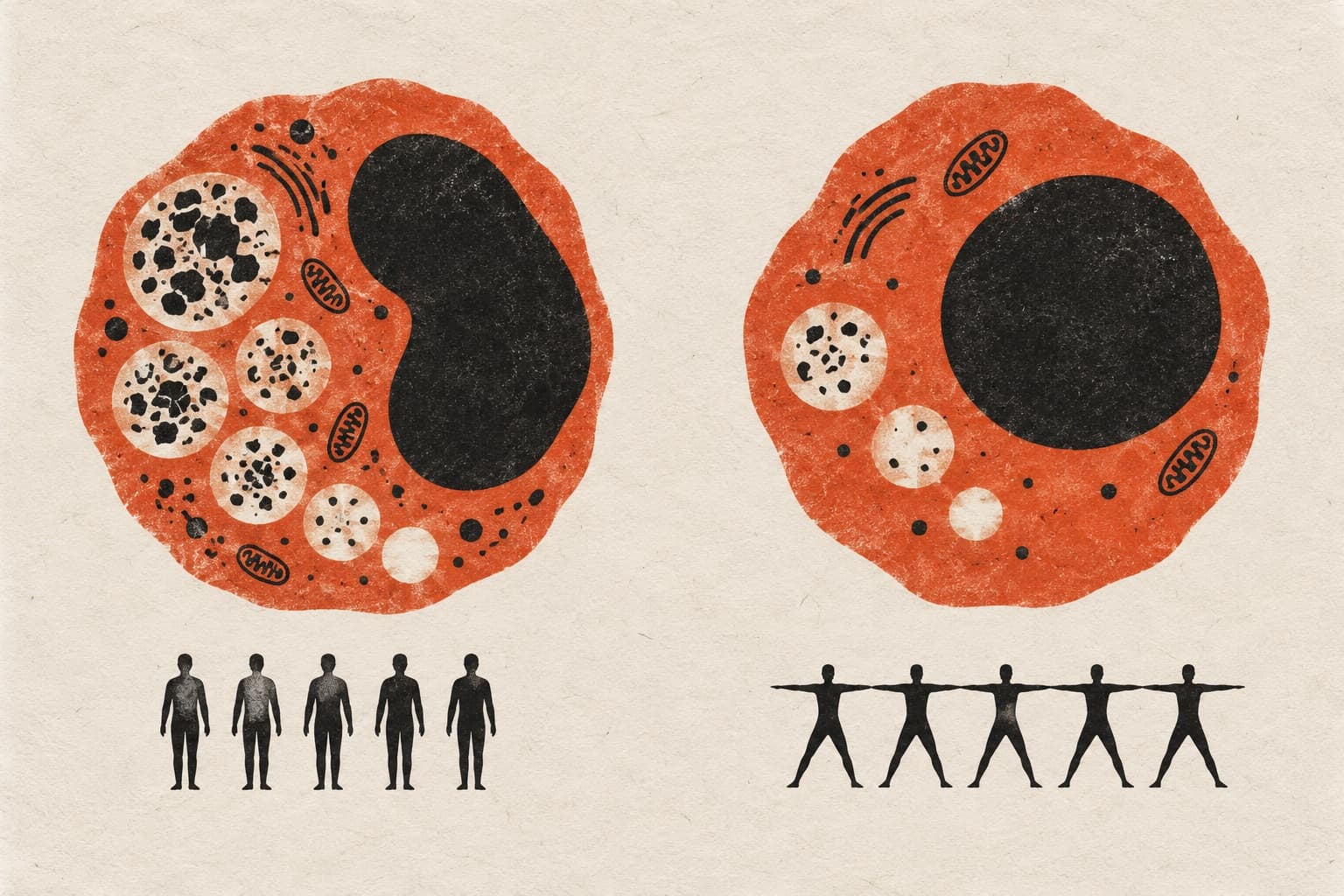
Geriatric osteoarthritis (G-OA) represents a senescence and metabolism-driven pathobiological phenotype, closely associated with ageing. Although lysosomal dysfunction is increasingly recognized as a cardinal feature of age-related diseases, most current therapeutic strategies primarily target upstream regulators of autophagy, particularly the PI3K/AKT/mTOR pathway. However, this approach may be limited in aged chondrocytes, where the efficiency of autophagic degradation is already compromised. With ageing, reduced vacuolar ATPase activity and the accumulation of intralysosomal lipofuscin may impair lysosomal acidification and degradative capacity. As a result, even when autophagy is pharmacologically stimulated, the clearance of autophagic cargo remains inefficient. This imbalance leads to the accumulation of undegraded autophagosomes, contributing to cellular stress and impaired autophagic flux. Importantly, lysosomal dysfunction under these conditions has increasingly been associated with the amplification of the senescence-associated secretory phenotype (SASP), activation of the NLRP3 inflammasome, and subsequent macrophage dysregulation. These interconnected processes may further exacerbate joint degeneration in G-OA. This review identifies lysosomal restoration as a potential therapeutic intervention point for overcoming downstream autophagic impairment in G-OA. Enhancing lysosomal acidification and degradative function may help re-establish effective autophagic flux and improve disease outcomes. Although several components of this proposed mechanistic framework require direct experimental validation in aged chondrocytes, the model provides a biologically plausible and testable basis for future investigations into lysosome-targeted therapeutic strategies for G-OA.
The paper
Vinayaka Missions University
Tissue & Cell, 9 Jul 2026