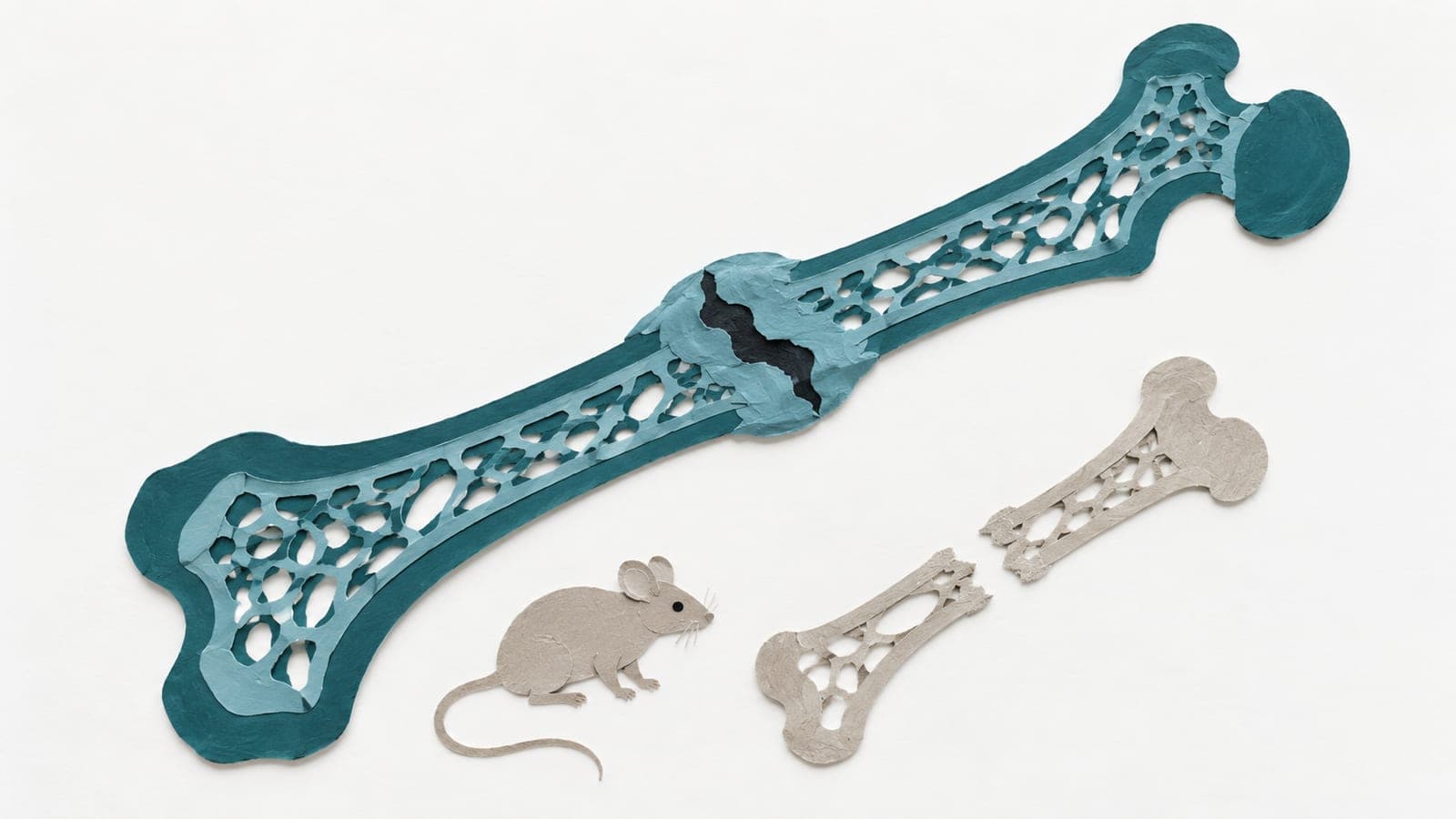
Myricitrin as a potent inhibitor of osteoclast differentiation via RAW264.7 Cells, BMMs and ovariectomized mouse model
Abstract
BACKGROUND: Osteoporosis is a prevalent skeletal disorder marked by progressive bone loss and elevated fracture risk, primarily driven by excessive osteoclast-mediated bone resorption. Current therapeutic agents are limited by adverse effects, necessitating the exploration of safer, naturally derived compounds. Myricitrin, a bioactive flavonoid from Myrica rubra, has demonstrated anti-inflammatory and antioxidant properties, but its role in bone metabolism remains underexplored. OBJECTIVE: This study aimed to investigate Myricitrin's anti-osteoclastic effects and underlying molecular mechanisms using in vitro osteoclast differentiation models and an in vivo ovariectomized (OVX) mouse model of postmenopausal osteoporosis. METHODS: We evaluated the effects of Myricitrin on osteoclastogenesis in RAW264.7 murine macrophage cells and primary bone marrow-derived macrophages (BMMs). Osteoclast formation was assessed using TRAP staining, and gene and protein expression analyses were performed via qRT-PCR and Western blotting. Immunofluorescence staining was used to visualize the F-actin ring and Vinculin formation. MAPK signaling pathway components (p-ERK, p-JNK, p-p38MAPK) were analyzed, and RNA-sequencing followed by KEGG and GO enrichment assessed transcriptomic changes, particularly in cytokine and chemokine pathways. Using histological and molecular analyses, an OVX-induced osteoporosis model in C57BL/6J mice was employed to evaluate Myricitrin's protective effects on bone loss. RESULTS: Myricitrin significantly inhibited osteoclast differentiation in RAW264.7 and BMMs, as evidenced by reduced TRAP-positive multinucleated cells and downregulation of osteoclast-specific markers, including Acp5, NFAT2, CTSK, and c-fos. It impaired cytoskeletal reorganization by decreasing the F-actin ring and Vinculin expression. Mechanistically, Myricitrin suppressed phosphorylation of key MAPK pathway proteins (ERK1/2, JNK, p38MAPK) in a dose-dependent manner. Transcriptomic analysis revealed altered expression of cytokine and chemokine signaling pathway genes. In vivo, Myricitrin administration dose-dependently mitigated OVX-induced bone loss, reduced osteoclast numbers, and downregulated osteoclast-related protein expression in femoral bone tissue. CONCLUSIONS: Our findings demonstrate that Myricitrin effectively suppresses osteoclast differentiation through correlative and pharmacological evidences and inhibit the MAPK pathway and modulation of cytokine signaling. The compound also exhibits significant bone-protective effects in OVX mice. These results suggest Myricitrin's promise as a natural, potential, and multi-targeted therapeutic candidate for osteoporosis treatment.
The paper
Guangzhou First People's Hospital; Shandong Second Provincial General Hospital
Journal of Molecular Histology, 8 Jul 2026