AKT-mTOR/P53 PathwayDriven RapamycinAlpelisib Efficacy in Animal Models of TIE2Mutant Venous Malformations
Abstract
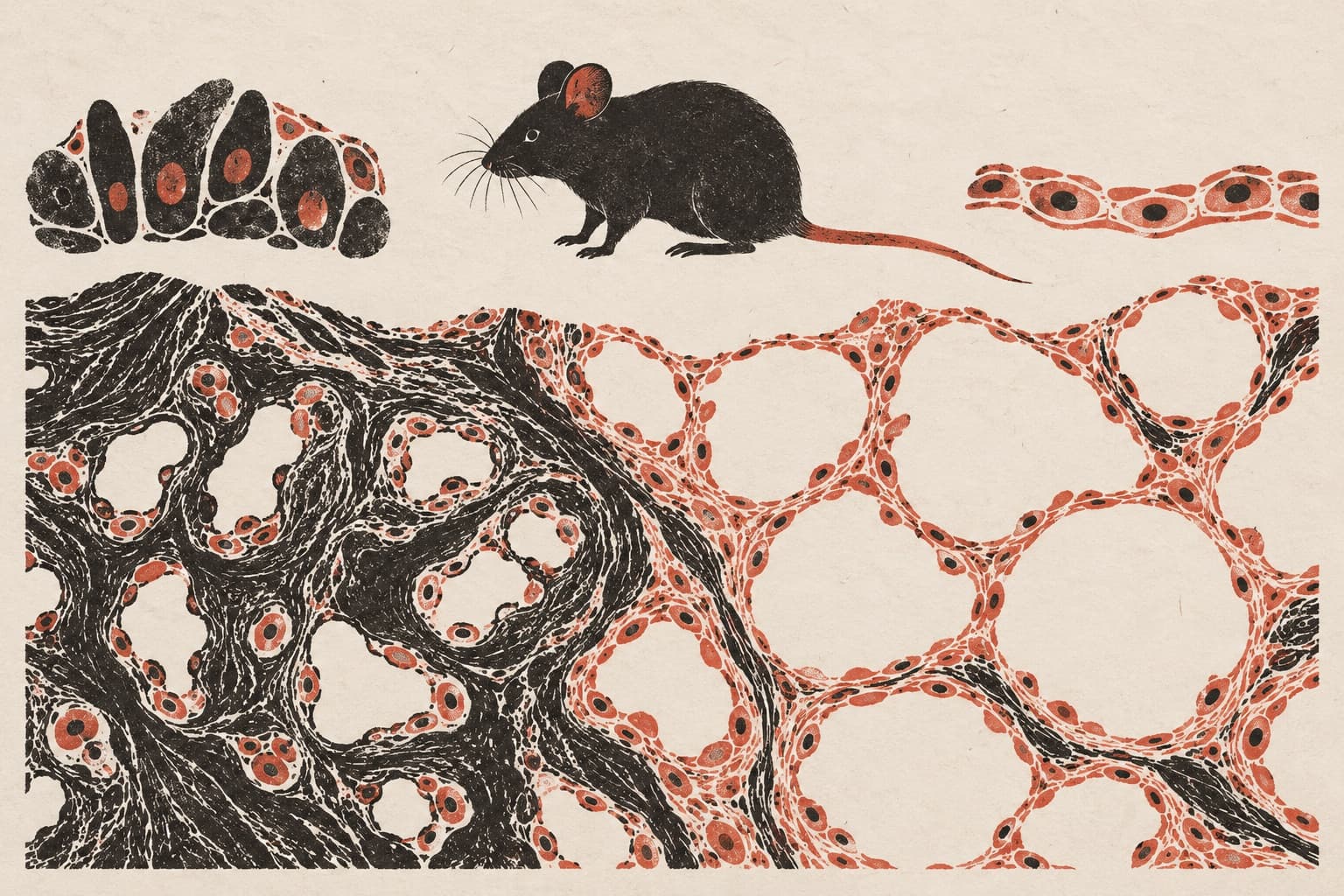
BACKGROUND: Sporadic venous malformations are a prevalent vascular anomaly in the oral and maxillofacial region. Current therapeutic strategies are associated with high recurrence rates and limited applicability in critical anatomical regions. Therefore, there is a pressing demand for more effective treatment modalities to address these challenges. METHODS: This study utilized transcriptome sequencing to analyze samples from venous malformation patients and combined lesion tissue analysis, cell culture, and xenograft mouse models to investigate the pathogenic mechanisms and potential therapeutic approaches for venous malformations. RESULTS: Our findings indicated that the primary pathological features of venous malformations include abnormal angiogenesis and excessive activation of the phosphoinositide 3-kinase (PI3K) signaling pathway. In endothelial cells with the most common pathogenic mutation, TIE2-L914F, this mutation activates the PI3K pathway, promoting cell proliferation, inhibiting normal angiogenesis, and suppressing apoptosis. Treatment with PI3K inhibitors effectively reversed these pathological changes. More importantly, the combination of rapamycin and alpelisib exhibited superior therapeutic efficacy, not only significantly inhibiting the PI3K pathway but also activating P53 expression, thereby effectively preventing disease progression. Further validation through in vitro 3D angiogenesis assays and xenograft mouse models confirmed the therapeutic potential of this combination. The results demonstrated a marked reduction in vessel sprouting in the 3D model and inhibited both lesion size and angiogenesis in the xenograft mouse model. CONCLUSIONS: This study is the first to demonstrate that the combination of rapamycin and alpelisib, through multi-target synergy, effectively inhibits the PI3K pathway and activates P53 expression, offering new insights and therapeutic options for the treatment of venous malformations.
The paper
Kunming Medical University; Chinese People's Liberation Army
Frontiers in Bioscience, 1 Jun 2026, Open access