Association of high-sensitivity troponin with advanced fibrosis in metabolic dysfunction-associated steatotic liver disease and the potential mediating role of inflammation: A cross-sectional study of NHANES, 1999 to 2004
Abstract
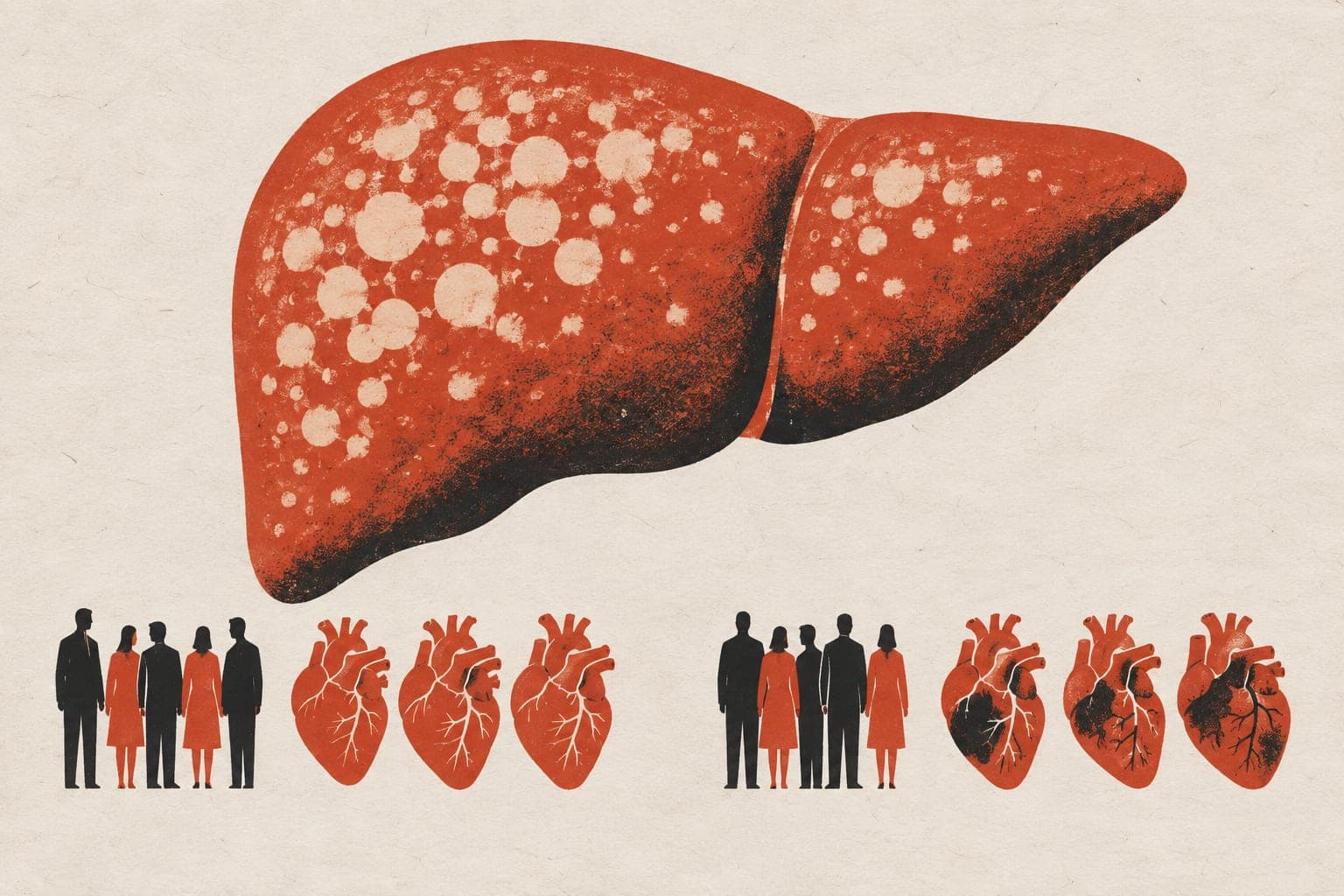
Given the high prevalence of metabolic dysfunction-associated steatotic liver disease (MASLD) and its severe adverse hepatic outcomes, risk stratification for patients with MASLD is crucial. Notably, cardiovascular disease (CVD) represents the leading cause of mortality in this population. High-sensitivity troponin (hs-troponin) is a well-established biomarker of subclinical myocardial injury and predicts cardiovascular outcomes. However, its specific relationship with advanced liver fibrosis (ALF) in MASLD remains unexplored. Therefore, we investigated this association in individuals with MASLD without CVD. We analyzed data from 4684 adults aged ≥18 years in the 1999 to 2004 National Health and Nutrition Examination Survey. Multivariable logistic regression examined associations between hs-troponin and ALF. Diagnostic utility was assessed using receiver operating characteristic curve analysis. Moreover, we conducted a mediation analysis to explore the role of inflammation, as represented by the monocyte-to-lymphocyte ratio, in the aforementioned association. Among 4684 patients without CVD, 169 had ALF. After controlling for confounding factors, hs-troponin T showed a significant positive association with ALF (adjusted odds ratio: 1.02, 95% confidence interval: 1.01-1.03, P = .020). Additionally, receiver operating characteristic analysis indicated that at a cutoff of 7.28 ng/L, hs-troponin T predicted ALF with an area under the curve of 0.85 (95% confidence interval: 0.82-0.88). Further mediation analysis revealed that inflammation partially mediated the association between hs-troponin T and ALF. Our findings indicate that elevated hs-troponin T is independently associated with a higher risk of ALF, which can assist clinicians in risk stratification for this population. These findings suggest that hs-troponin T, a marker of subclinical cardiovascular stress, may also serve as a practical tool for hepatic risk stratification.
The paper
Zhuhai People's Hospital; The Affiliated Taizhou People's Hospital of Nanjing Medical University
Medicine, 3 Jul 2026, Open access