Identification of superstalsis, a motility program distinct from peristalsis in the Drosophila midgut
Abstract
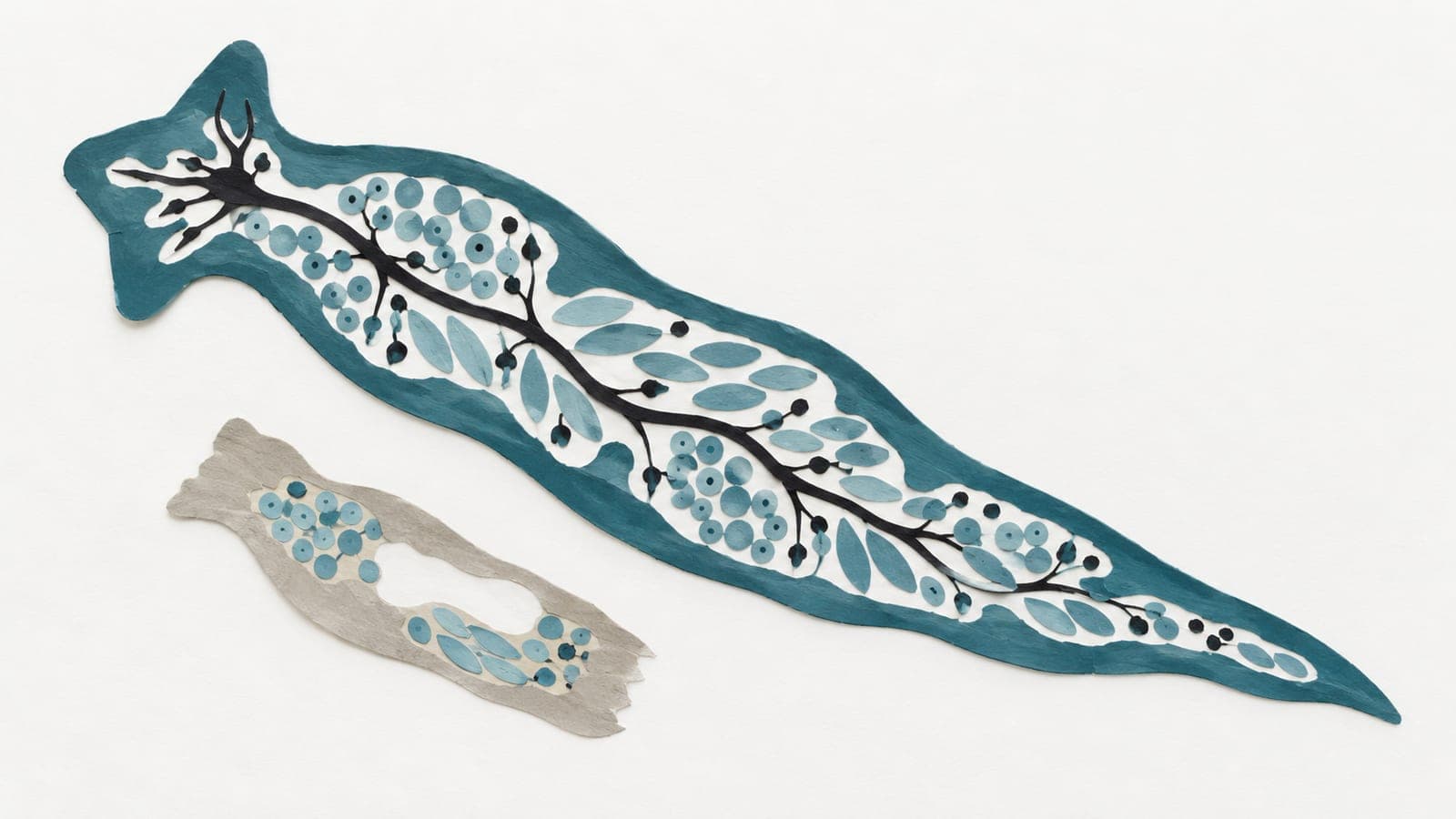
Enteric organs display the intrinsic ability to generate slow-wave potentials, rhythmic electrochemical events regulating gastrointestinal motility. In mammals, slow waves arise from the pacemaker activity of interstitial cells of Cajal, which, by recruiting visceral muscles, ultimately lead to peristalsis, a movement pattern conserved across species. Here, we identify a motility program in Drosophila distinct from peristalsis that generates strong whip-like midgut contractions. This activity, here named superstalsis, is associated with specific physiological conditions and involves longitudinal visceral muscle activation. We find that both peristalsis and superstalsis involve TMEM16 family members, with peristalsis relying on myogenic activity mediated by Subdued, the Drosophila ortholog of ANO1/TMEM16A, whereas superstalsis depends on a separate non-neuronal pathway. As fasting and bacterial infections cause specific changes in the intestinal motility profiles in vivo, we propose that the gut can autonomously alter the peristalsis/superstalsis balance to efficiently respond to diverse pathological and homeostatic events.
The paper
Humboldt-Universität zu Berlin
Cell Reports, 1 Jul 2026, Open access