Two stem cell groups isolated from human brain tissue
Cells from a 9-day-old male donor formed three major brain cell types in lab experiments, with different tendencies in the two stem cell groups.
Our read
Mechanisms- Studied:
- Preprint: cross-sectional study in people
- Stake:
- Authors hold a patent on this work. An author founded Bitterroot Bio. An author founded Inograft. Authors also declare ties to 2 more companies.
Editor of record: Boris Djordjevic · AgingResearch.News
Human brain tissue collected after death or during medically needed surgery yielded two groups of neural stem cells, which can renew themselves and produce different brain cell types. The preprint combined observational comparisons of donor tissue with laboratory experiments.
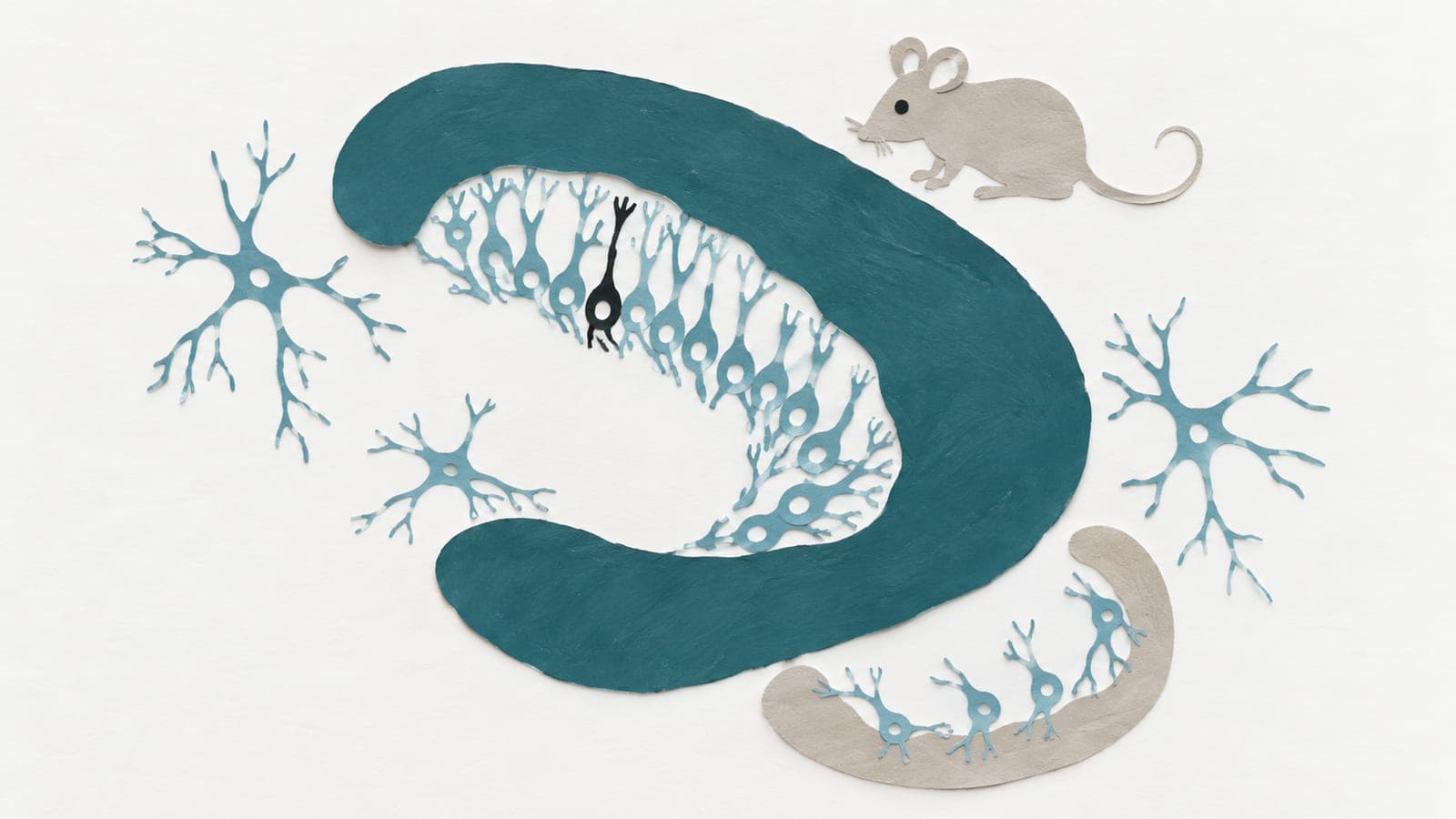
In cells from a 9-day-old male donor grown in the lab, both groups produced three major brain cell types. One group favored interneurons, nerve cells that connect other nerve cells, and oligodendrocytes, cells that insulate nerve fibers. The other favored astrocytes, cells that support nerve cells. Separately, an analysis of tissue from 26 donors aged 9 days to 90 years tracked the share of one stem cell group. That share declined during the first two decades, then appeared to level off. These cells remained detectable at age 90.
Why it matters
Neural stem cell isolation offers a framework for studying these cells’ potential roles in brain development, aging, and disease, the authors concluded.
Caveats
The donor comparison measured cell shares, not changes within individuals or absolute stem cell numbers. The lab cell-tracking experiment used cells from one 9-day-old donor; the preprint has not been peer-reviewed.
- Resources: datasets, atlases and tools
- Stem cell differentiation
- Stem cell maintenance
- Neural stem cell frequency
- EGFR
- Humans
The paper
Isolation of postnatal human neural stem cells
Stanford Medicine
bioRxiv, Jun 12, 2026, Open access, Preprint, not yet peer-reviewed
Comments
Be the first to comment.