Senescent human liver vessel cells still recruit immune cells
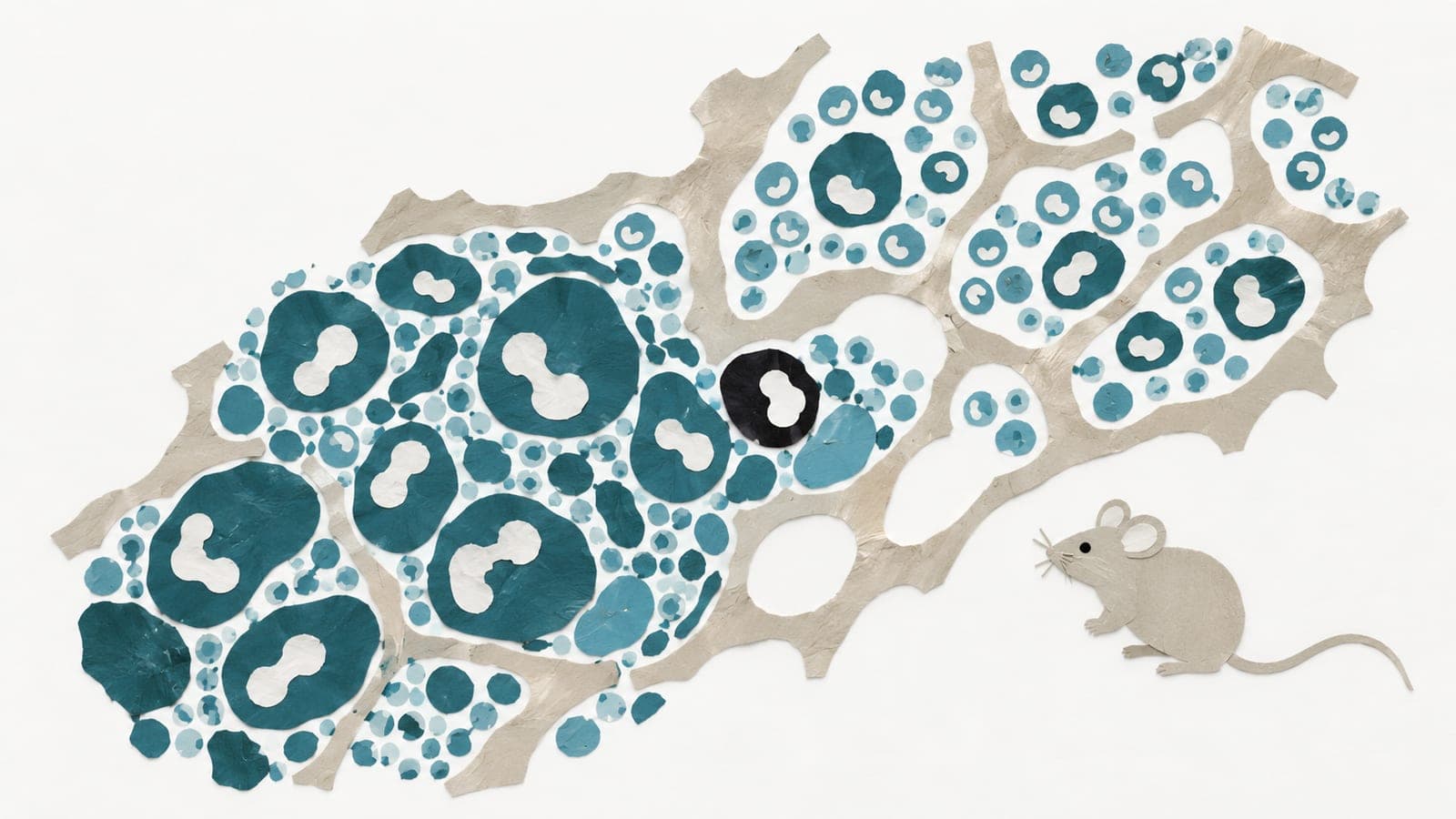
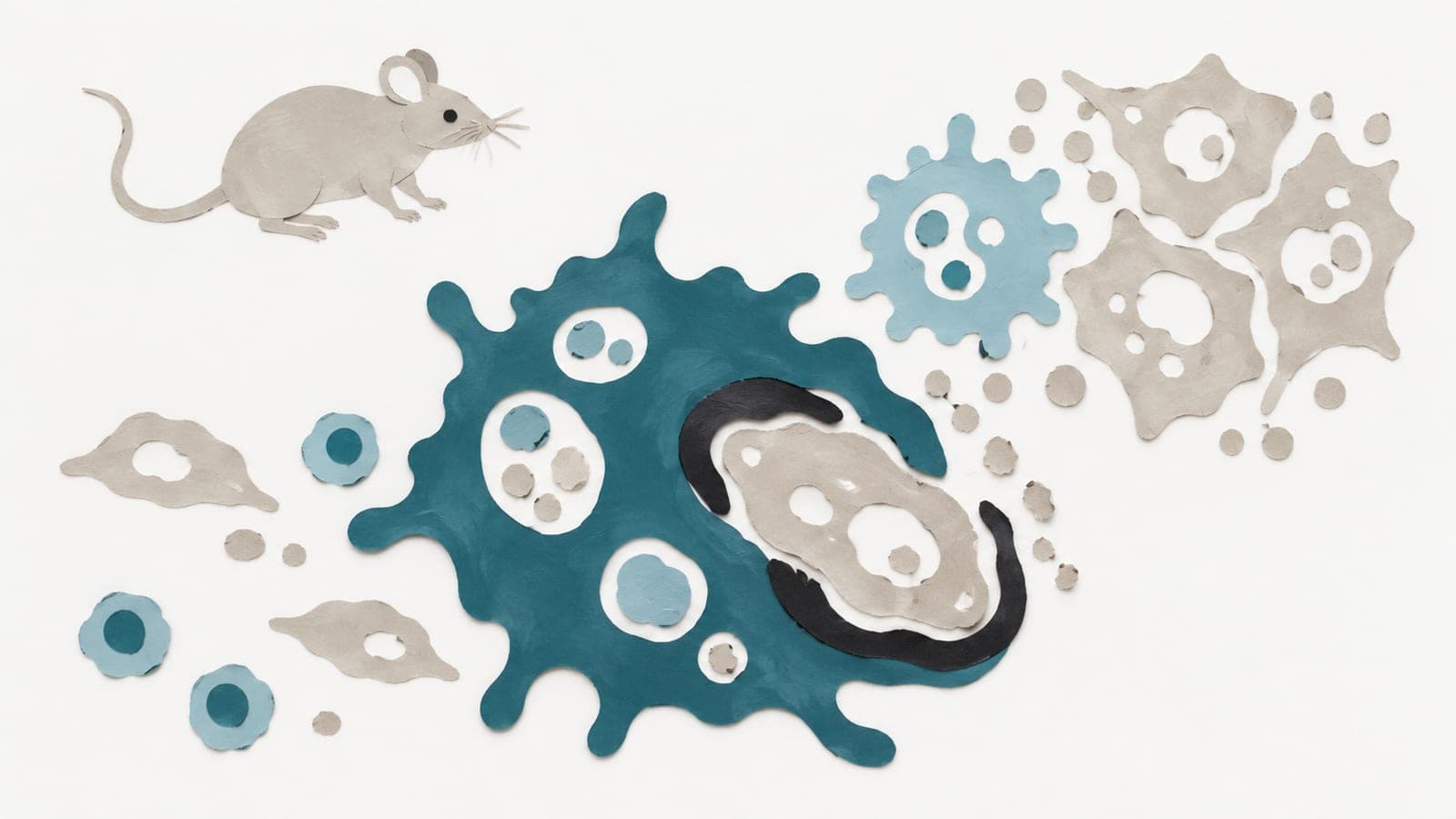
Lab experiments identified a signaling protein that helped senescent human liver vessel cells recruit one type of immune cell under conditions mimicking blood flow.
Limit: Staining could not detect the recruitment-related signaling protein in diseased liver tissue
Edited by Boris Djordjevic · AgingResearch.News
The study combined lab experiments in primary human liver endothelial cells, which line blood vessels, with observational analyses of chronically diseased human liver tissue. Seven days of exposure to fluid from senescent cells—cells that have stopped dividing—induced signs of senescence in the liver cells.
These cells became less able to take up material from their surroundings but still recruited immune cells under conditions mimicking blood flow. Blocking or reducing inducible T cell costimulator ligand, a signaling protein, reduced recruitment of CD4 T cells, one immune-cell group, but not CD8 T cells, another group. In chronically diseased liver tissue, activity of the gene for this protein was higher and correlated with greater infiltration by CD4 T cells.
Why it matters
Cell senescence offers a potential target in chronic liver disease. The authors suggested that targeting senescent liver endothelial cells could open new therapeutic opportunities.
Caveats
The recruitment experiments used cells grown in the lab, while the tissue findings were observational. Researchers could not detect the signaling protein by staining diseased liver tissue.
The paper
Senescent Human Liver Endothelial Cells Mediate CD4⁺ T Cell Recruitment via ICOSL
NIHR Birmingham Biomedical Research Centre
Immunology, Jun 21, 2026, Open access