Mechanistic Integration of Beta-Alanine-Carnosine Buffering and Glutamine Metabolism in Exercise-Induced Muscle-Brain Crosstalk: Implications for Aging, Neurodegeneration, and Cognitive Decline
Abstract
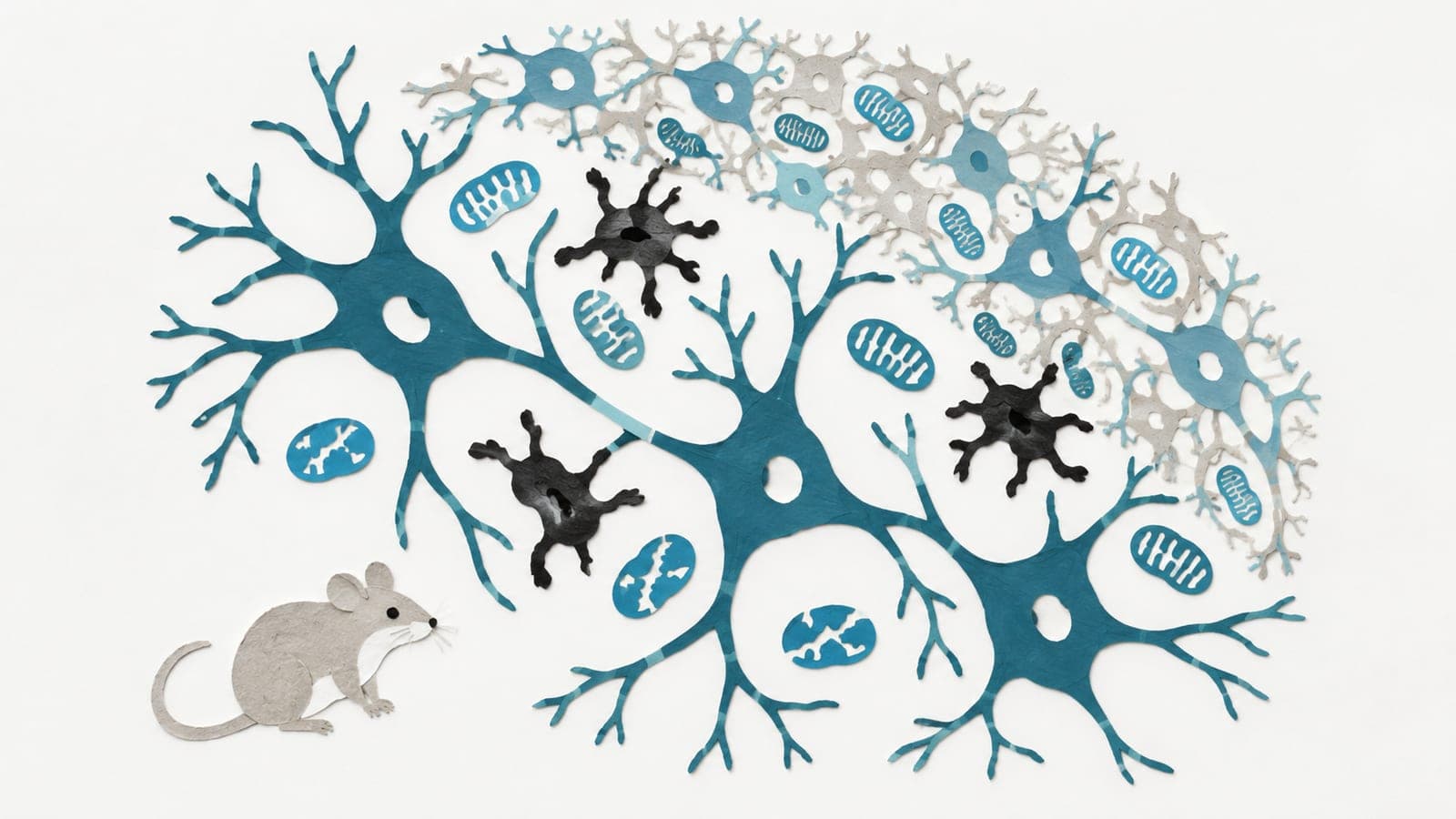
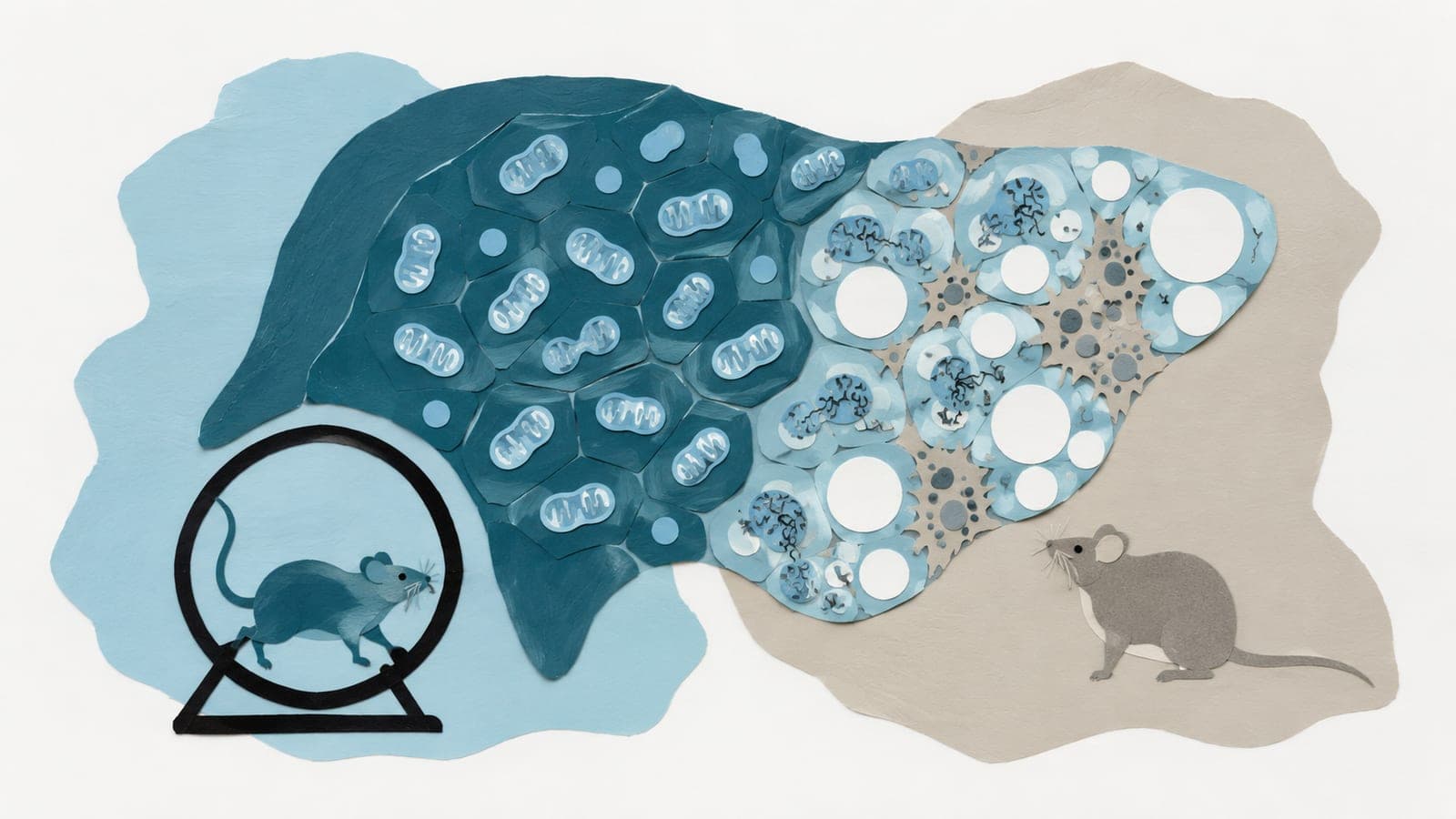
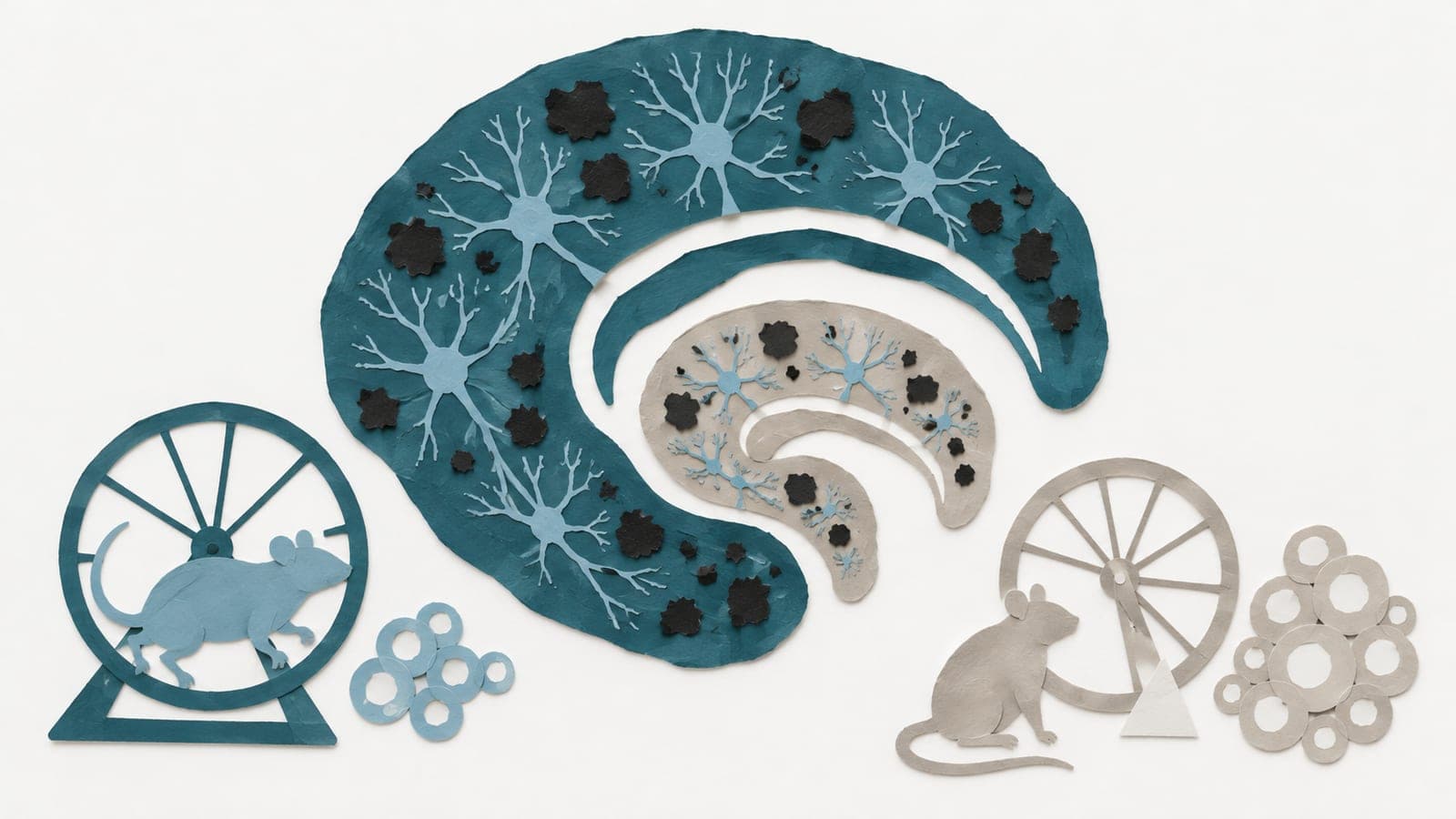
Aging is marked by a gradual deterioration in muscular performance, cognitive abilities, and metabolic flexibility, phenomena that are intricately linked through the muscle-brain axis. Recent research indicates that particular amino acids, notably beta-alanine (BA) and glutamine, may not function in isolation but instead converge mechanistically to modulate this axis through synergistic influences on intracellular pH regulation, nitrogen metabolism, and redox equilibrium. BA, through its involvement in the biosynthesis of carnosine, augments intracellular buffering capacity and maintains pH stability during metabolic stress scenarios such as exercise and age-related mitochondrial dysfunction. This buffering capability holds particular significance for pH-sensitive enzymes implicated in glutamine metabolism, such as glutamine synthetase and glutaminase, thereby potentially safeguarding glutamine turnover and nitrogen flux in acidic environments. Simultaneously, glutamine operates as a pivotal metabolic substrate that connects skeletal muscle and the brain by facilitating energy homeostasis, immune modulation, antioxidant protection, and neurotransmitter recycling through the glutamate-glutamine axis. Within this cohesive framework, the regulation of pH mediated by carnosine and the metabolic pathways reliant on glutamine collectively enhance mitochondrial functionality, neuroplasticity, and the mitigation of neuroinflammation. Physical exercise further intensifies these interactions by influencing both the availability of carnosine and the dynamics of glutamine, thereby strengthening their significance in the communication between muscle and brain. This review consolidates the prevailing evidence regarding BA and glutamine within a unified mechanistic paradigm, emphasizing their synergistic contributions to the regulation of metabolic resilience and neuroprotection in the context of aging and neurodegenerative disorders. In aggregate, this integrative viewpoint offers a more robust biological justification for the targeted modulation of these amino acids as complementary agents within the muscle-brain axis. Future investigations should prioritize personalized interventions that integrate amino acid supplementation and exercise regimens within the paradigm of predictive, preventive, and personalized medicine to enhance the trajectories of healthy aging.
The paper
Guizhou Normal University; Gdansk University of Physical Education and Sport
Molecular Neurobiology, 20 Jun 2026