Circulating Anti-Müllerian Hormone Reflects the Medium Antral Follicle Pool Following Histological Redefinition of Follicle Size in the Common Marmoset (Callithrix jacchus)
Abstract
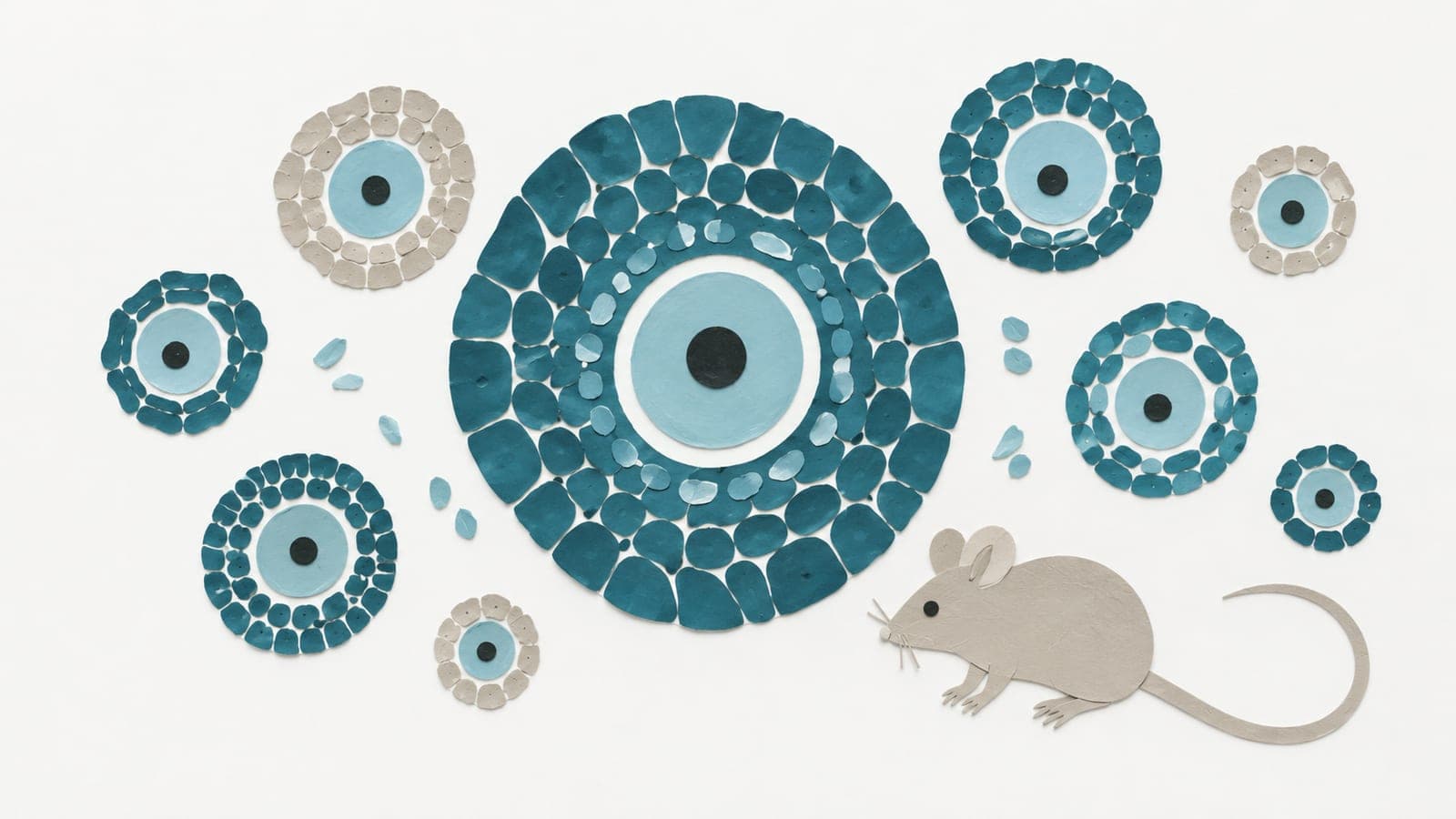
BACKGROUND: Anti-Müllerian hormone is widely used as a marker of ovarian reserve, but its stage-specific follicular origin remains unclear in the common marmoset (Callithrix jacchus). METHODS: Follicle diameters were reassessed histologically, and plasma anti-Müllerian hormone concentrations were measured using an ultrasensitive enzyme-linked immunosorbent assay and analyzed in relation to stage-specific follicle populations across 57 females of different ages. Age-related differences in plasma anti-Müllerian hormone were also evaluated. RESULTS: Histological measurements showed that antral follicles were smaller than previously reported. Plasma anti-Müllerian hormone declined with age (R² = 0.51, p < 0.001) and was most strongly associated with bilateral medium antral follicle count per animal (R² = 0.64, p = 0.0002), whereas associations with preantral stages were minimal. Immunostaining localized anti-Müllerian hormone mainly to granulosa cells of antral follicles. CONCLUSIONS: Circulating anti-Müllerian hormone in the common marmoset primarily reflects the developing antral follicle pool and may serve as a stage-specific biomarker of ovarian function.
The paper
Osong Medical Innovation Foundation
Journal of Medical Primatology, 1 Jun 2026, Open access