FOXO3 delays primordial follicle activation in chickens
Germline chimeric chickens overexpressing FOXO3 maintained more dormant primordial follicles up to 21 days post-hatch alongside suppressed PI3K/AKT signaling.
Poultry Science
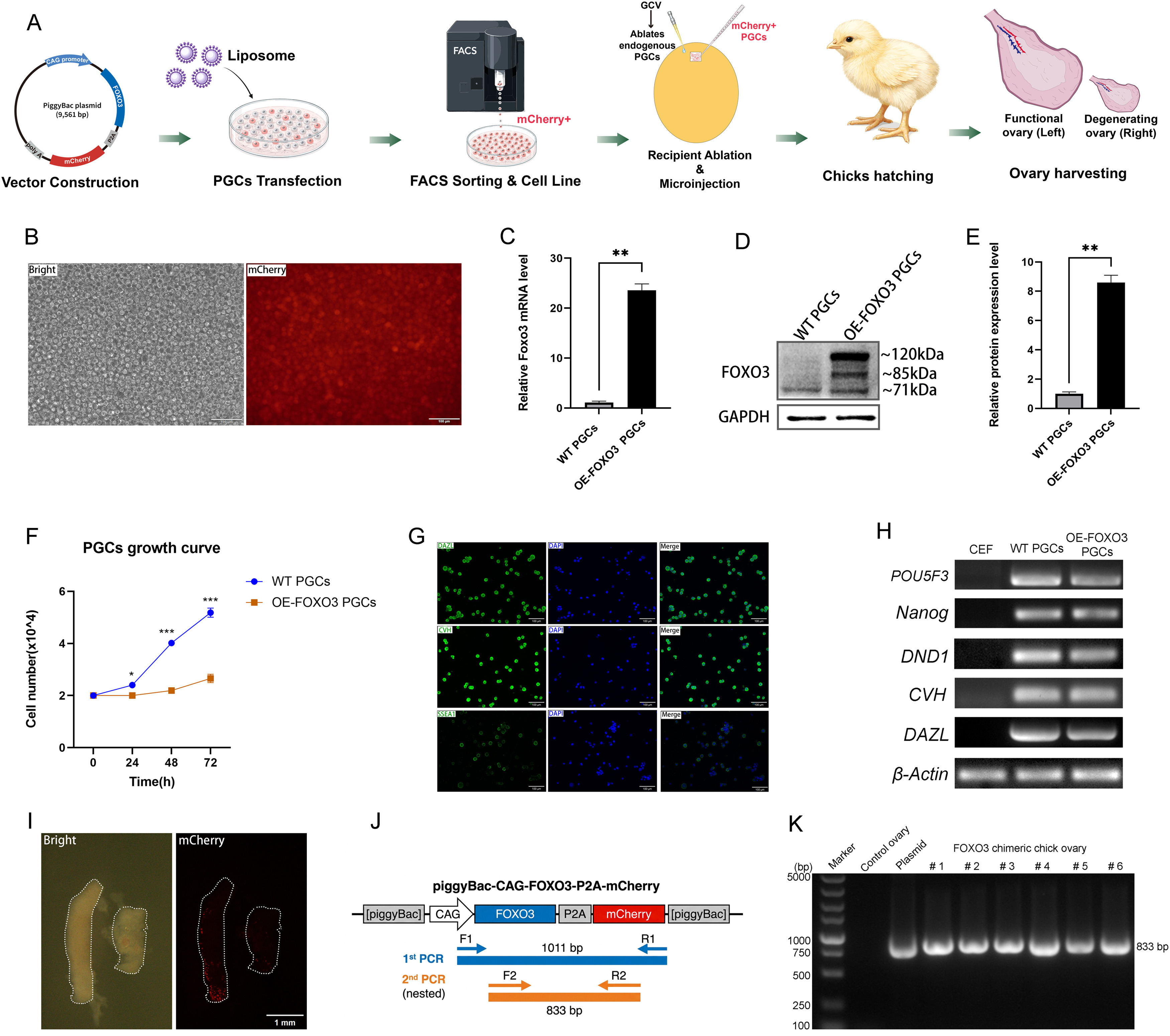
In chickens, overexpressing the transcription factor FOXO3 delayed primordial follicle activation, according to a study using germline chimeric birds. Researchers generated chimeras carrying FOXO3-overexpressing primordial germ cells using a germ cell ablation system. In culture, these modified cells showed reduced proliferation while retaining their germline identity and migration.
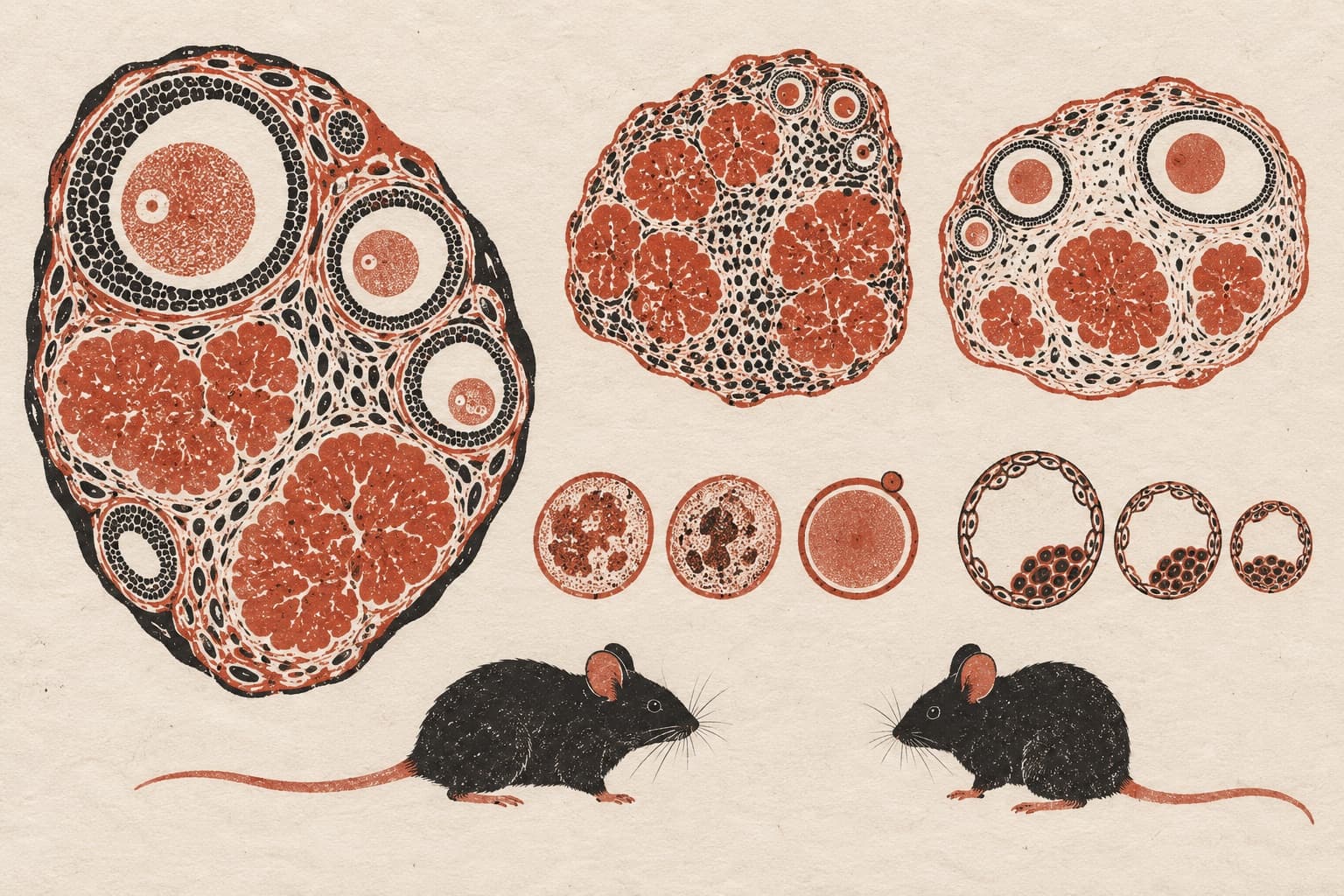
In vivo follicle staging at 3, 4, 7, and 21 days post-hatch showed that FOXO3-overexpressing ovaries consistently maintained a higher proportion of dormant primordial follicles and fewer growing follicles compared to controls. By 21 days post-hatch, these follicles retained nuclear or perinuclear FOXO3 localization. Additionally, FOXO3-overexpressing ovaries had fewer germ cell clusters and reduced apoptosis at 3 days post-hatch, while the activation of PI3K/AKT signaling observed in controls was suppressed at 4 days post-hatch.
Why it matters
Primordial follicle activation dictates the rate of ovarian reserve exhaustion and female reproductive lifespan. These findings suggest that FOXO3-mediated suppression of follicle activation is functionally conserved beyond mammals.
Caveats
The study followed development only through 21 days post-hatch, leaving FOXO3's long-term effects on adult fertility and laying duration unmeasured. The results are also limited to an avian transgenic overexpression model.
The paper
In vivo evidence for FOXO3-mediated suppression of primordial follicle activation in chickens