Sleep apnea and the ageing brain: bridging mechanisms and clinical outcomes
Abstract
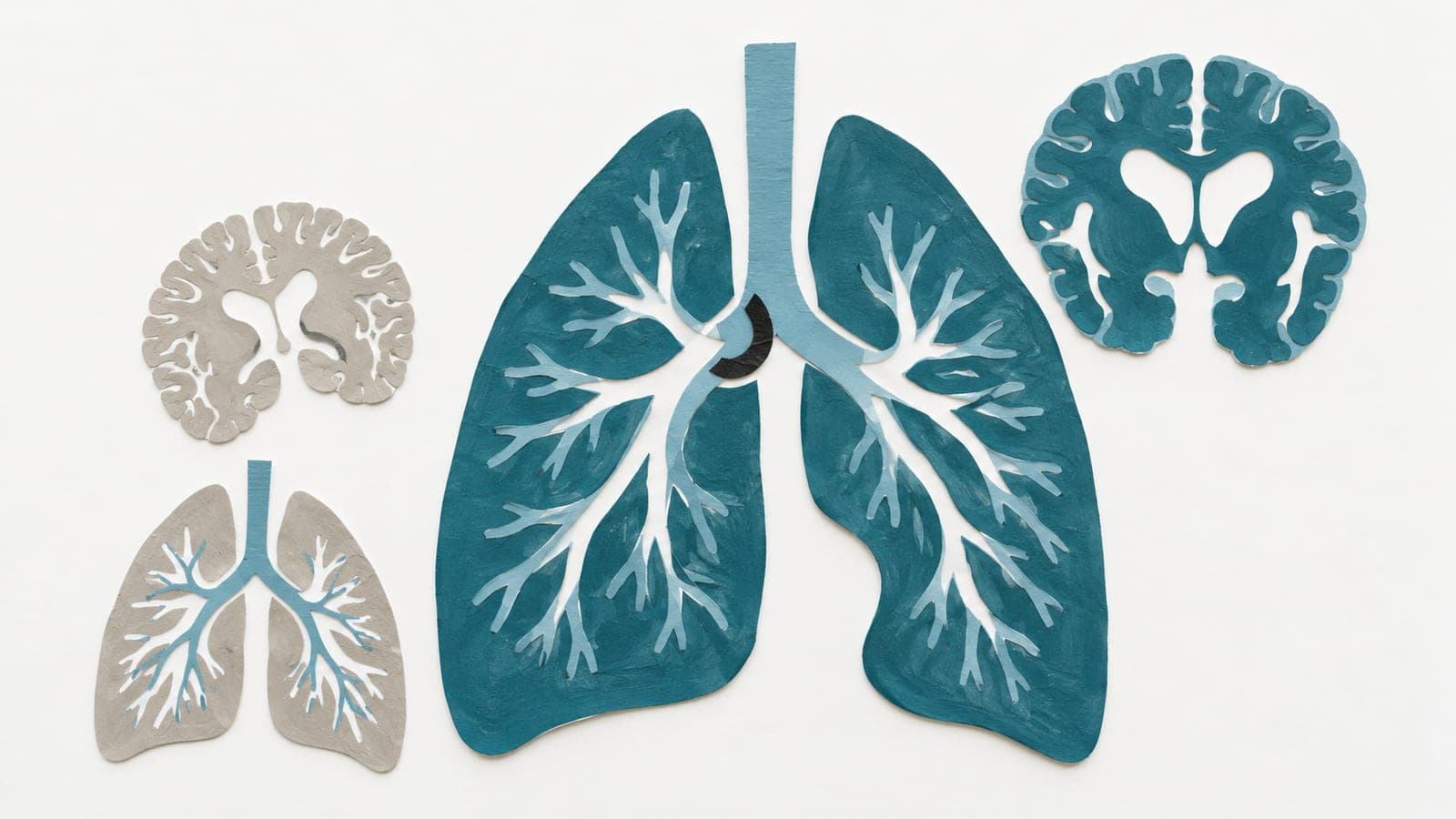
Obstructive sleep apnea (OSA) is a highly prevalent sleep-related breathing disorder increasingly recognized for its association with cognitive impairment and dementia. Emerging epidemiological evidence suggests that individuals with OSA have a higher risk of developing mild cognitive impairment and accelerated cognitive decline. The pathophysiological mechanisms underlying this relationship are multifactorial, involving intermittent hypoxia, sleep fragmentation, and sympathetic activation. These disturbances contribute to oxidative stress, neuroinflammation, impaired glymphatic clearance of amyloid-β and tau proteins, and cerebrovascular dysfunction, ultimately affecting brain regions critical for memory and executive function. Despite strong mechanistic and observational evidence, the impact of OSA treatment on cognitive outcomes remains uncertain. Continuous positive airway pressure (CPAP), the first-line therapy for OSA, has shown improvements in cognitive domains in observational studies; however, randomized controlled trials have yielded inconsistent results. These findings support OSA as a modifiable contributor to neurodegeneration, although definitive evidence for cognitive benefit with treatment remains lacking. Future research should focus on early intervention, longer-term randomized trials, integration of neuroimaging and biomarker endpoints to elucidate the potential for cognitive benefit with OSA treatment.
The paper
National University of Singapore
The American Journal of Medicine, 9 Jun 2026, Open access