Lactobacillus paracasei L9 Ameliorates Pulmonary Fibrosis in Aged Mice via Gut-Lung Axis-Mediated Regulation of Immune Cell Migration
Abstract
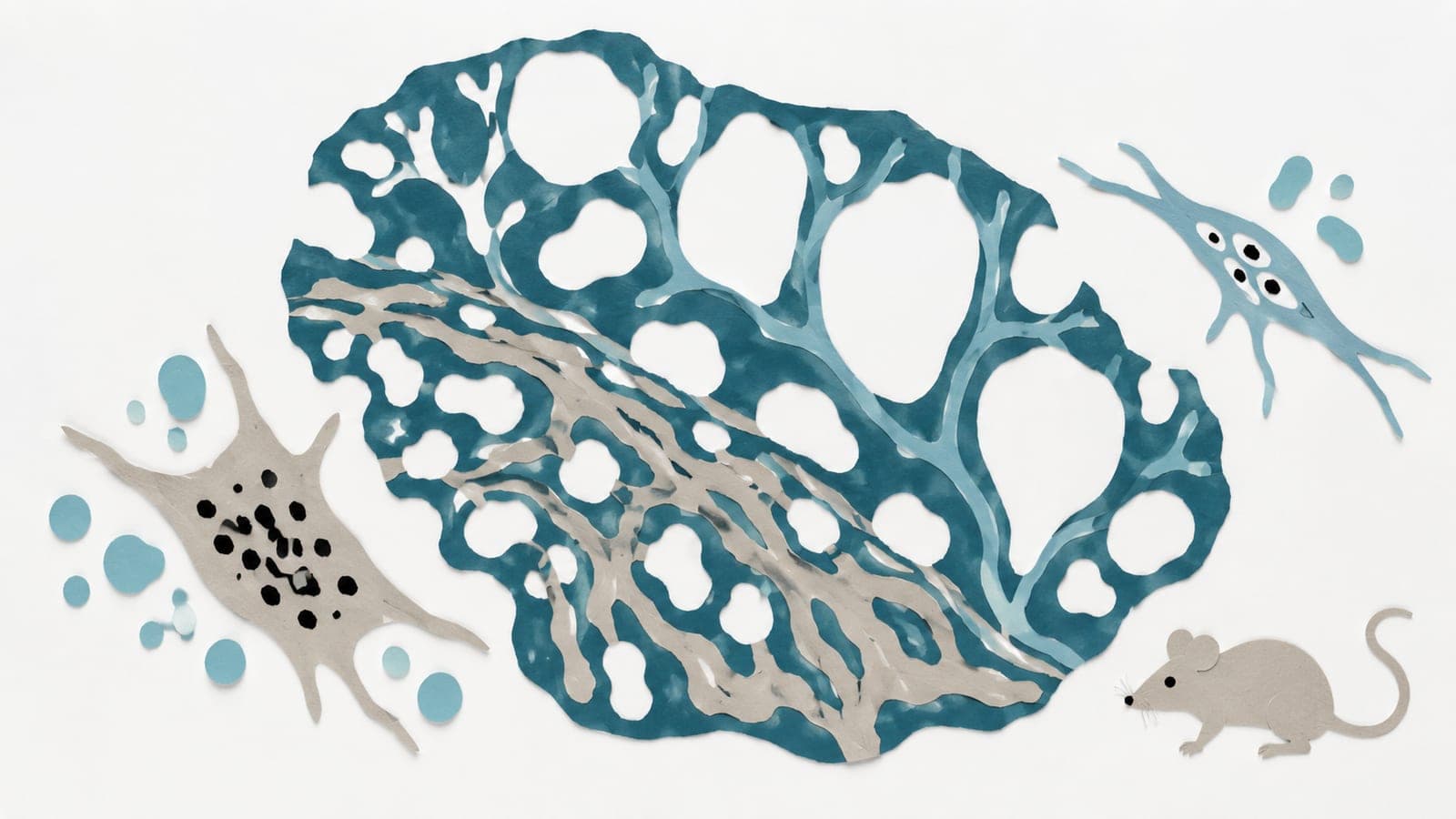
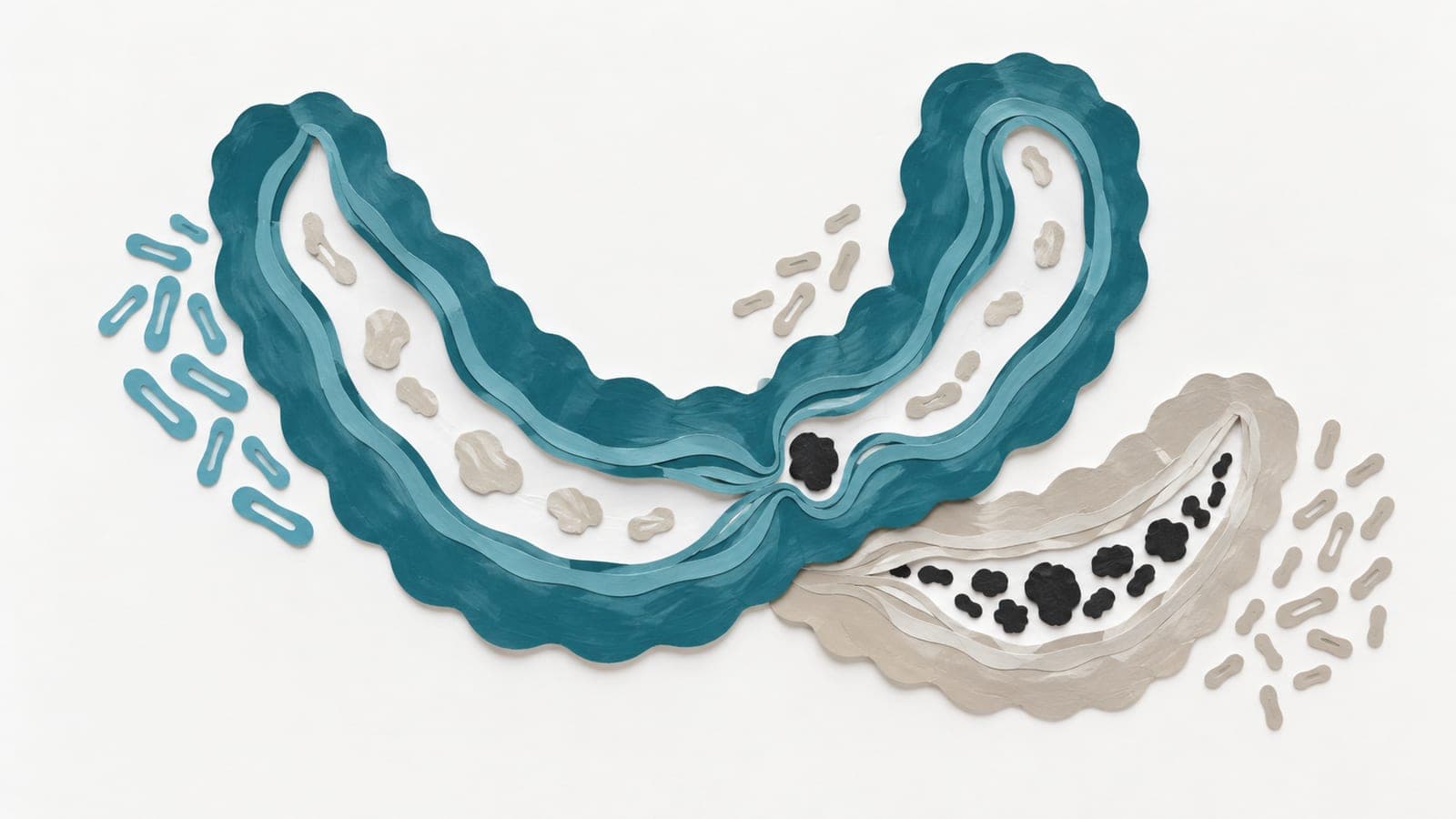
Age-related pulmonary fibrosis (PF) imposes a growing global burden with limited therapies. This study explored the role of Lactobacillus paracasei L9 (L9) in alleviating PF in C57BL/6J mice and its mechanisms. Nine-month oral administration of L9 (4 × 10⁹ CFU/mL) suppressed collagen (Col-) I deposition in aged mice, with no significant effect on Col-III. Mechanistically, L9 inhibited the JNK-HSF1 signaling pathway, thereby resulting in a 61% decrease in HSP47 expression, which is crucial for Col-I synthesis. L9 reshaped the gut microbiota by increasing short-chain fatty acid (SCFA)-producing bacteria (e.g., Blautia), leading to a 97% increase in serum propionic acid and 193% increase in butyric acid; notably, the levels of SCFAs in the lungs were below the limit of detection. In L9-treated mice, pulmonary IL-17A levels and Th17 cell populations were reduced. In vitro, SCFAs directly inhibited Th17 cell differentiation and IL-17A secretion, and IL-17A was confirmed to promote Col-I synthesis via the JNK-HSF1 pathway in pulmonary fibroblasts. Consequently, L9 modulates the gut microbiota to produce SCFAs, which regulate naïve CD4⁺ T cell differentiation and migration via the gut-lung axis. This reduces pulmonary Th17 cells and IL-17A, thereby suppressing Col-I synthesis in pulmonary fibroblasts and ultimately alleviating age-related PF. In conclusion, this study highlights L9 as a microbiome-targeted precision nutrition strategy for the adjuvant therapy of age-related PF via the novel gut-lung axis mechanism.
The paper
China Agricultural University
Aging Cell, 1 Jun 2026, Open access