Intergenerational support and older adults mental health in rural China: evidence and policy implications
Abstract
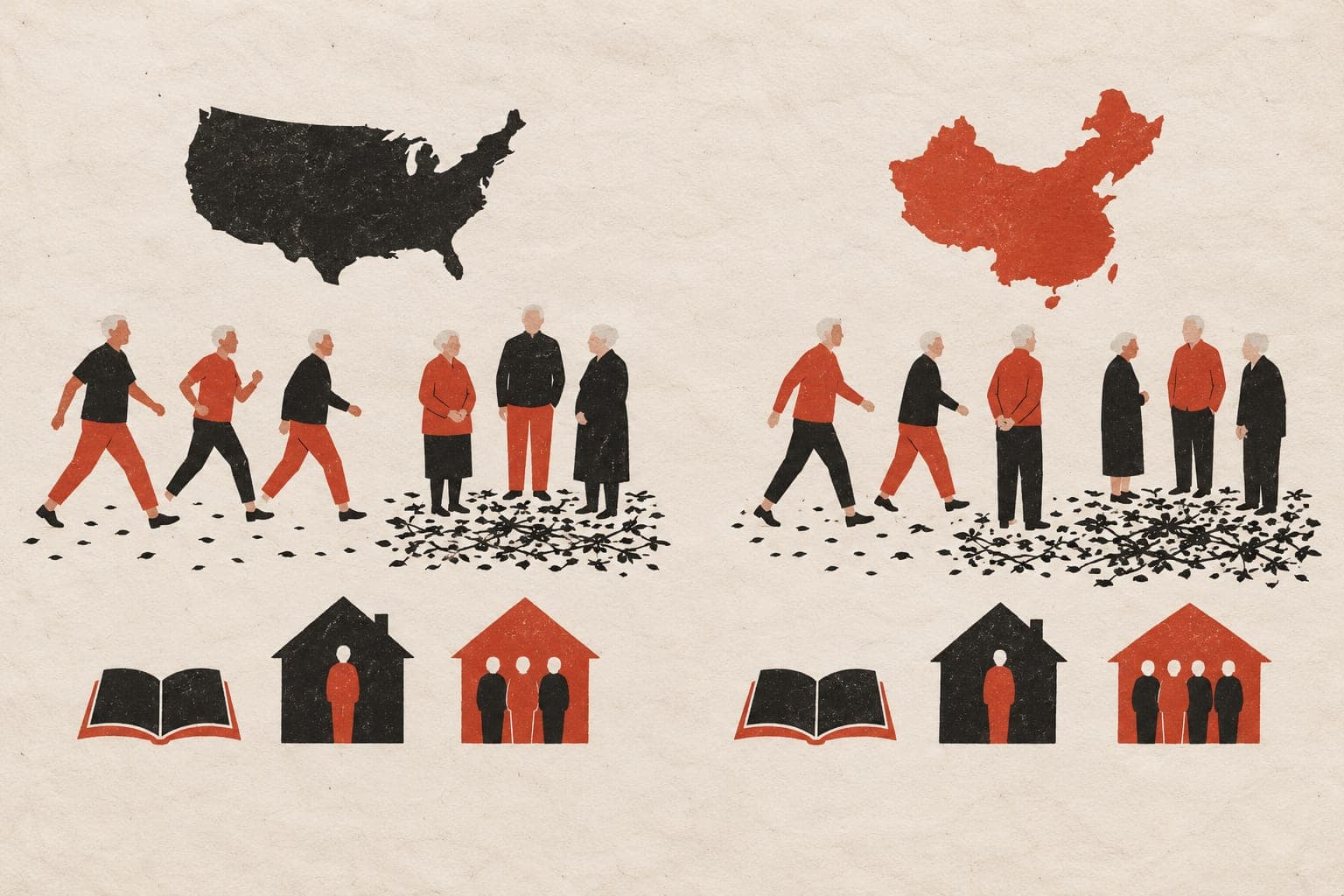
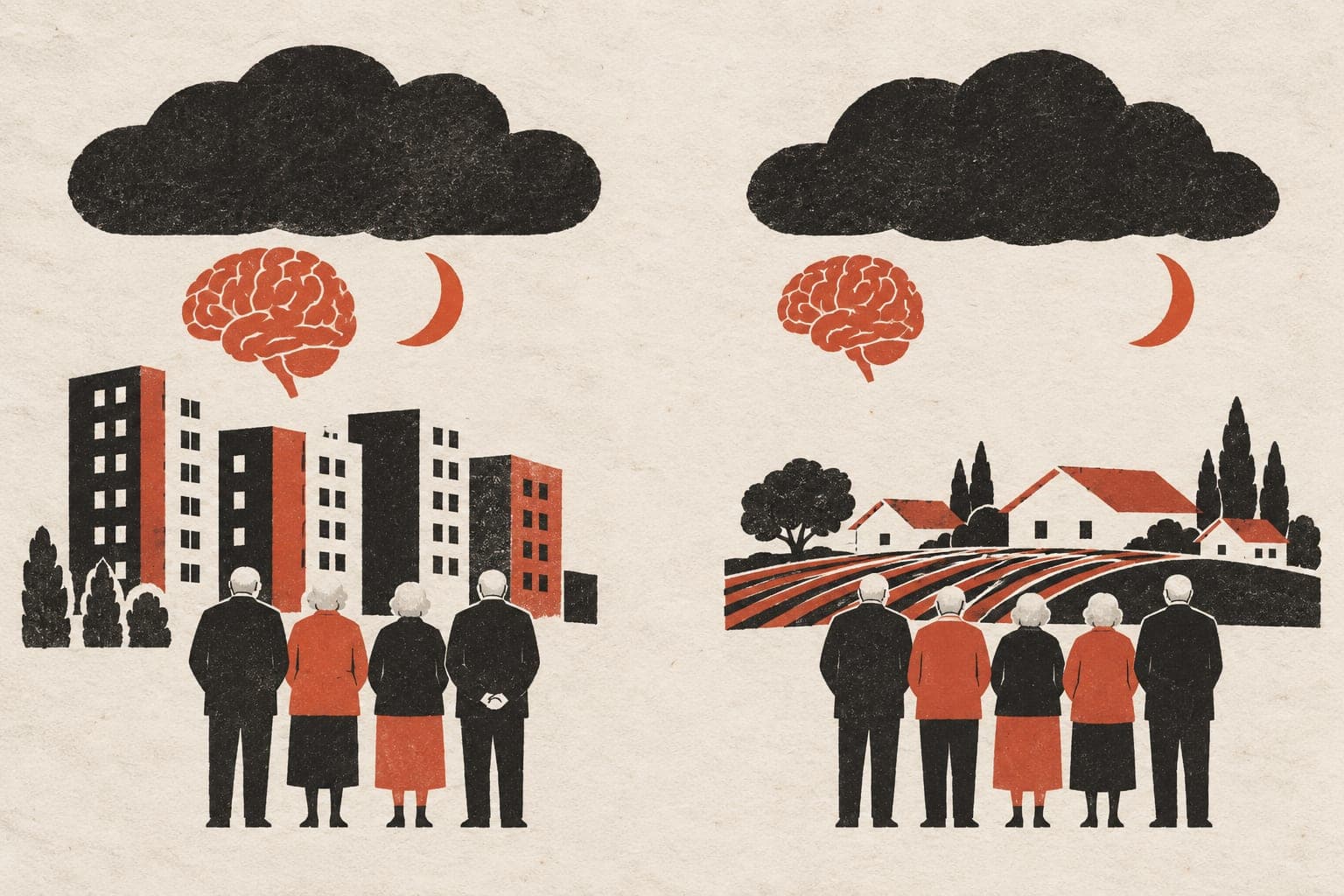
INTRODUCTION: Mental health problems among the rural older adults pose a major challenge in contemporary China, where adult children have a crucial role in addressing this issue. However, the mental health experiences of rural older adults remain comparatively underexplored in existing research, particularly in contrast with their urban counterparts. METHODS: Data were collected through face-to-face surveys with 975 adults aged 60 and over from two rural counties with distinct socioeconomic contexts: Kunshan in Jiangsu Province (an economically developed population inflow area, N = 431) and Yudu in Jiangxi Province (a typical central China population outflow area, N = 544). This design enabled examination of intergenerational support dynamics across different migration contexts. RESULTS: Intergenerational support, especially economic (β = 0.1819, p < 0.1) and emotional support (β = 0.6427, p < 0.01), significantly enhances the mental health of rural older adults, both directly and by influencing perceived intergenerational intimacy. Yet, adherence to the traditional value of "raising children for old-age support" weakens this positive effect by instrumentalizing parent-child relationships. Moreover, the effects of intergenerational support on mental health vary across regions and between genders. DISCUSSION: The need for policies that not only account for regional and gender differences but also challenge traditional values of child-based old-age support to better promote the mental wellbeing of rural older adults in China.
The paper
Institute of Agricultural Economics and Development
Frontiers in Public Health, 11 May 2026, Open access