Phytochemical Monomers Derived from Traditional Chinese Medicine May Prevent and Treat Atherosclerosis by Modulating the Macrophage Mitochondrial-Lysosomal Senescence Axis
Abstract
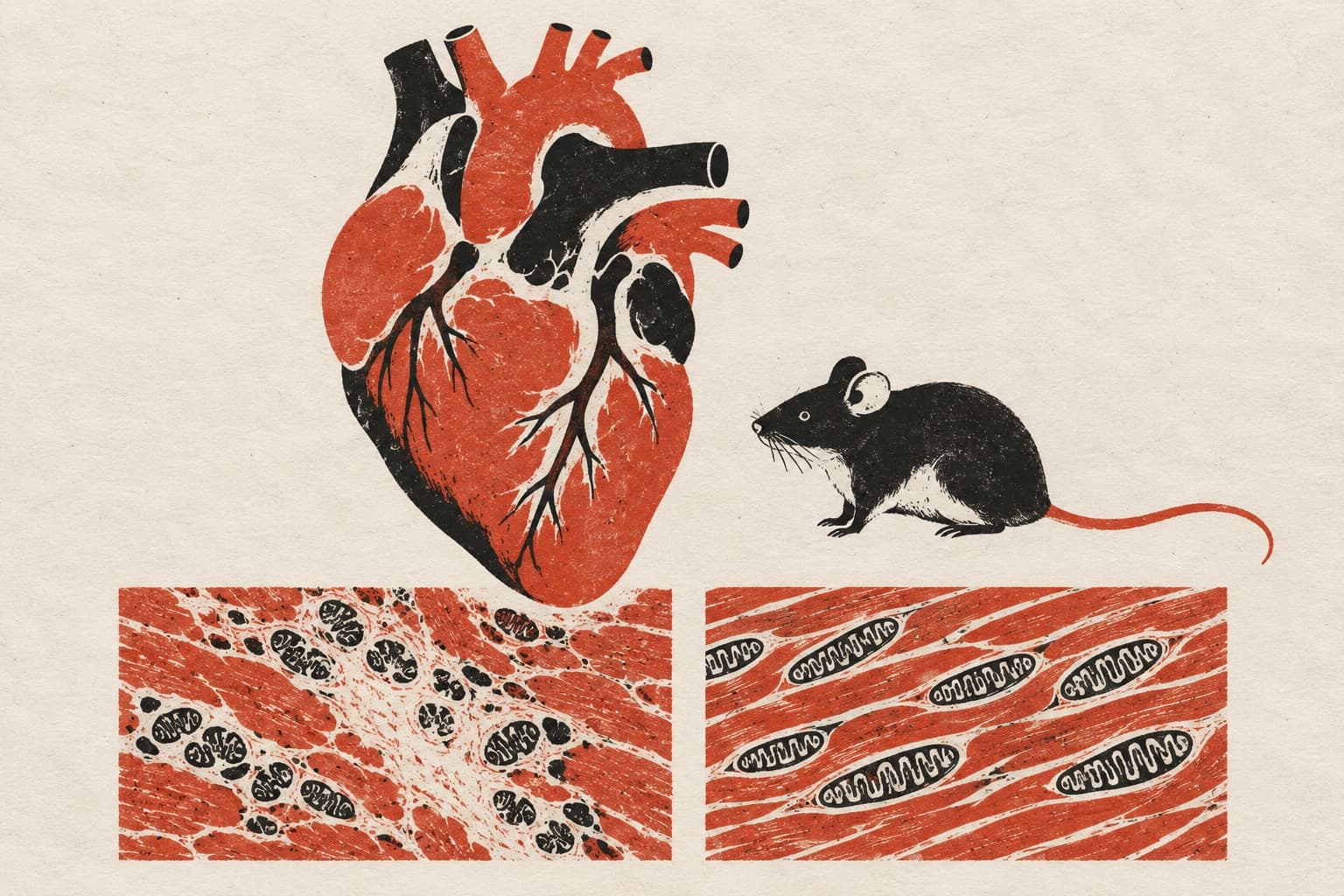
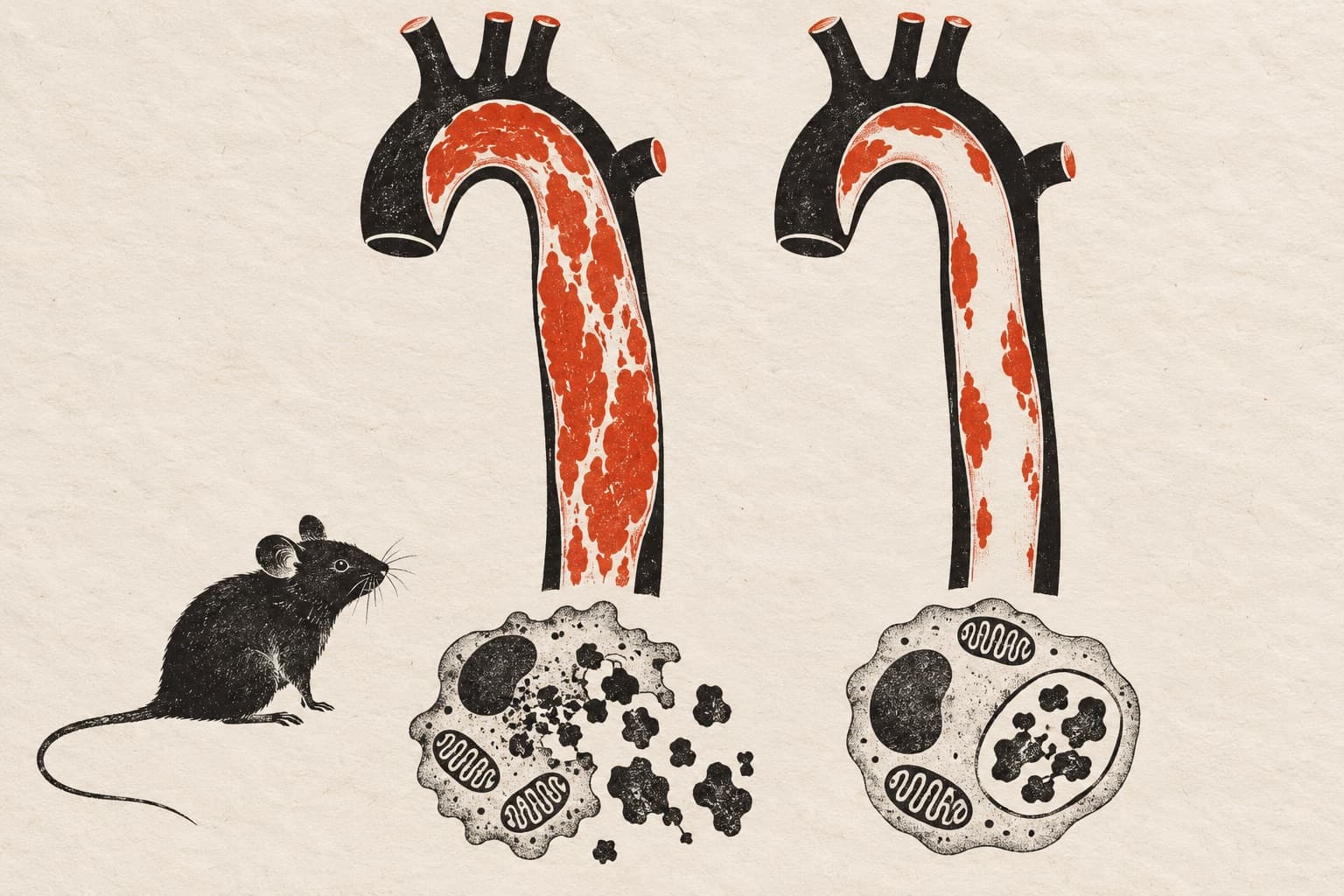
The pathogenesis of atherosclerosis (AS) is evolving from a lipid-centric view to a paradigm of immunosenescence. Stress-induced senescence of plaque macrophages is associated with inflammation and instability via the senescence-associated secretory phenotype (SASP). Dysfunction of the integrated "mitochondria-lysosome senescence axis" is thought to play a key role in maintaining this senescent state, which correlates with lipid overload, impaired efferocytosis, and fibrous cap degradation. Multi-targ et monomers from Traditional Chinese Medicine (TCM) such as quercetin, Tanshinone IIA, berberine, and baicalein have been shown to modulate senescent macrophages, potentially via this axis. Proposed mechanisms include inhibiting p38 MAPK/p16 signaling, reducing scavenger receptor-mediated lipid uptake, enhancing cholesterol efflux, suppressing the NF-κB/NLRP3 inflammasome, promoting efferocytosis via TAM receptors, and restoring metabolic support for lysosomal acidification. This review synthesizes the role of the mitochondria-lysosome axis in AS and highlights the potential of TCM monomers to stabilize plaques, providing a novel framework for therapeutic development.
The paper
Shanxi University of Traditional Chinese Medicine; Xiyuan Hospital
International Journal of General Medicine, 19 May 2026, Open access