ALDH2 alleviates diabetes-induced myocardial cell senescence and electrical remodeling by regulating SIRT1
Abstract
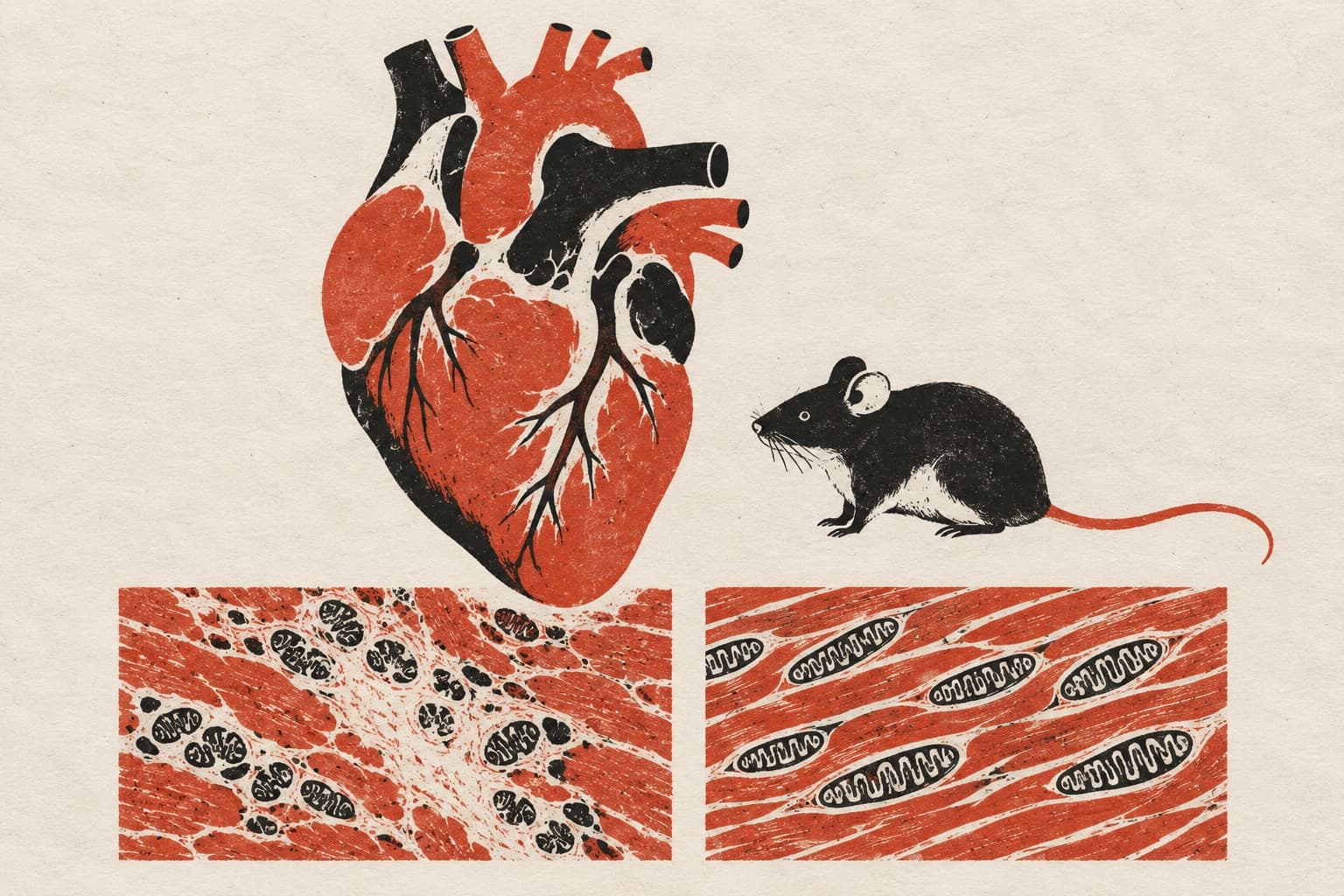
There is a significant association between cardiomyocyte senescence and cardiac insufficiency. Senescent myocardial cells increase the susceptibility to cardiomyopathy and arrhythmia, while diabetes accelerates myocardial cell senescence. This study aims to explore whether ALDH2 can improve diabetes-induced myocardial cell senescence and electrical remodeling and reveal the underlying mechanism. In vivo, we found that ALDH2 overexpression effectively alleviated diabetes-induced cardiomyocyte senescence and the electrical remodeling of Nav1.5. Importantly, in vivo programmed electrical stimulation revealed that ALDH2 significantly reduced ventricular tachycardia (VT) susceptibility and duration in diabetic mice. In vitro, molecular docking confirmed the binding mode between ALDH2 and SIRT1. Using high glucose-induced H9C2 cardiomyocytes, we demonstrated that ALDH2 activation restored Nav1.5 protein expression and alleviated cellular senescence via SIRT1 upregulation. This protective mechanism is closely associated with SIRT1-mediated cellular ROS clearance and mitochondrial homeostasis. In conclusion, our study provides robust in vivo evidence that targeting the ALDH2/SIRT1 axis effectively prevents diabetic myocardial senescence and fatal electrical instability. These findings highlight a promising translational strategy to reduce the risk of malignant arrhythmias and improve cardiovascular health outcomes in diabetic patients.
The paper
Bengbu Medical College
Free Radical Biology & Medicine, 20 May 2026, Open access, accepted manuscript