No added kidney injury seen in aging castrated rats given estrogen
An experiment in aging male rats, with 10 per group, suggested no increased kidney injury after 38–44 weeks of hormone exposure; kidney function remained unclear.
Our read
Interventions- Studied:
- Experiments in male Sprague-Dawley rats, 9 mo, against age-matched male controls
- What changed:
- Proteinuria, proximal tubule injury markers, and glomerular injury scores were lower than in controls
- The catch:
- Estrogen was combined with castration, so the study did not isolate estrogen effects
- In the record:
- One of 664 papers on estradiol on record: 160 with results in people, 224 in animals.
Editor of record: Boris Djordjevic · AgingResearch.News
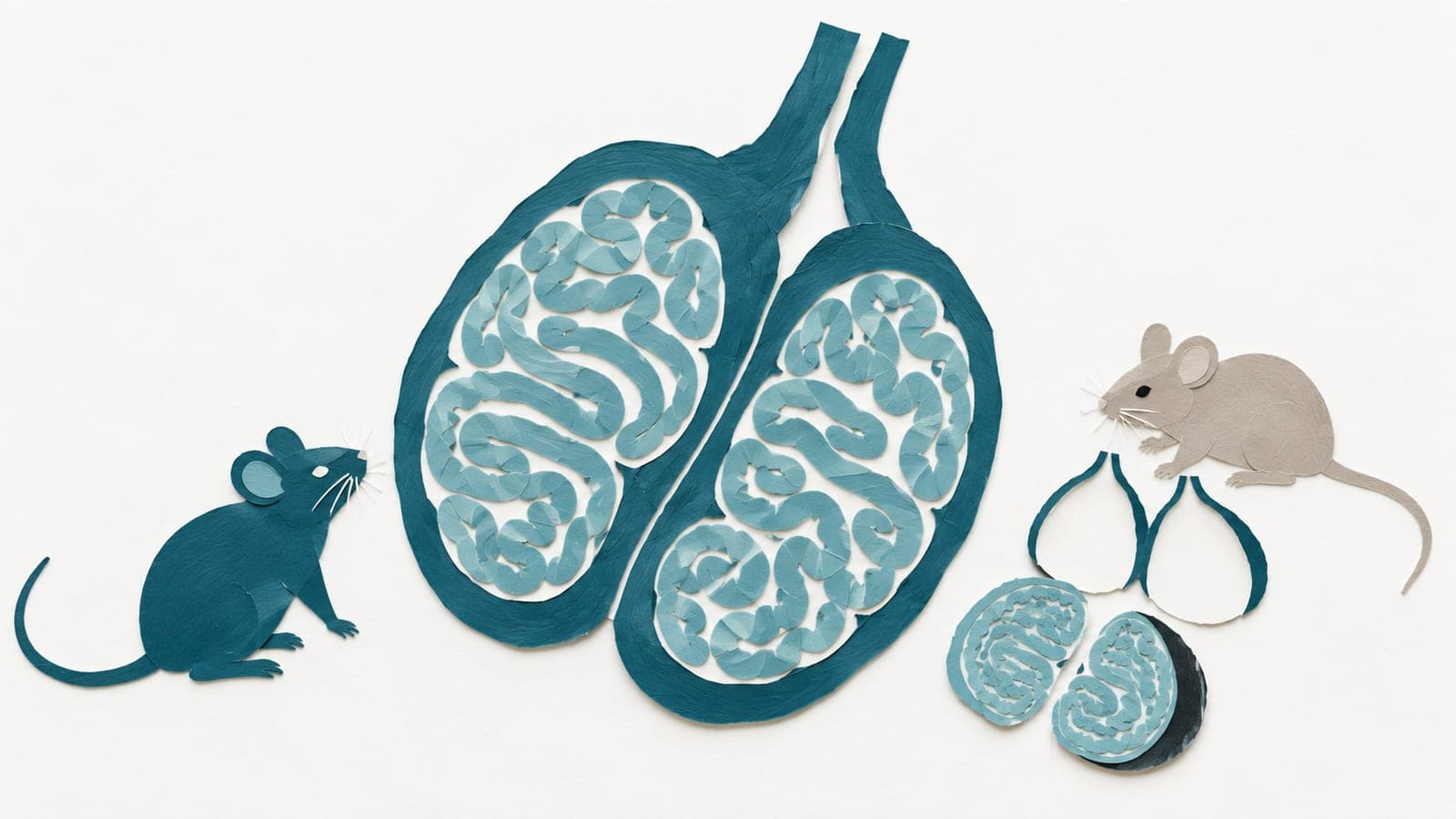
Male Sprague-Dawley rats began an experiment modeling feminizing hormone therapy at 13–15 months of age. Researchers randomly assigned 10 rats per group to estrogen plus castration or age-matched controls. Estrogen implants under the skin delivered 5 milligrams per kilogram and were replaced every three weeks. Castration followed two weeks after estrogen began.
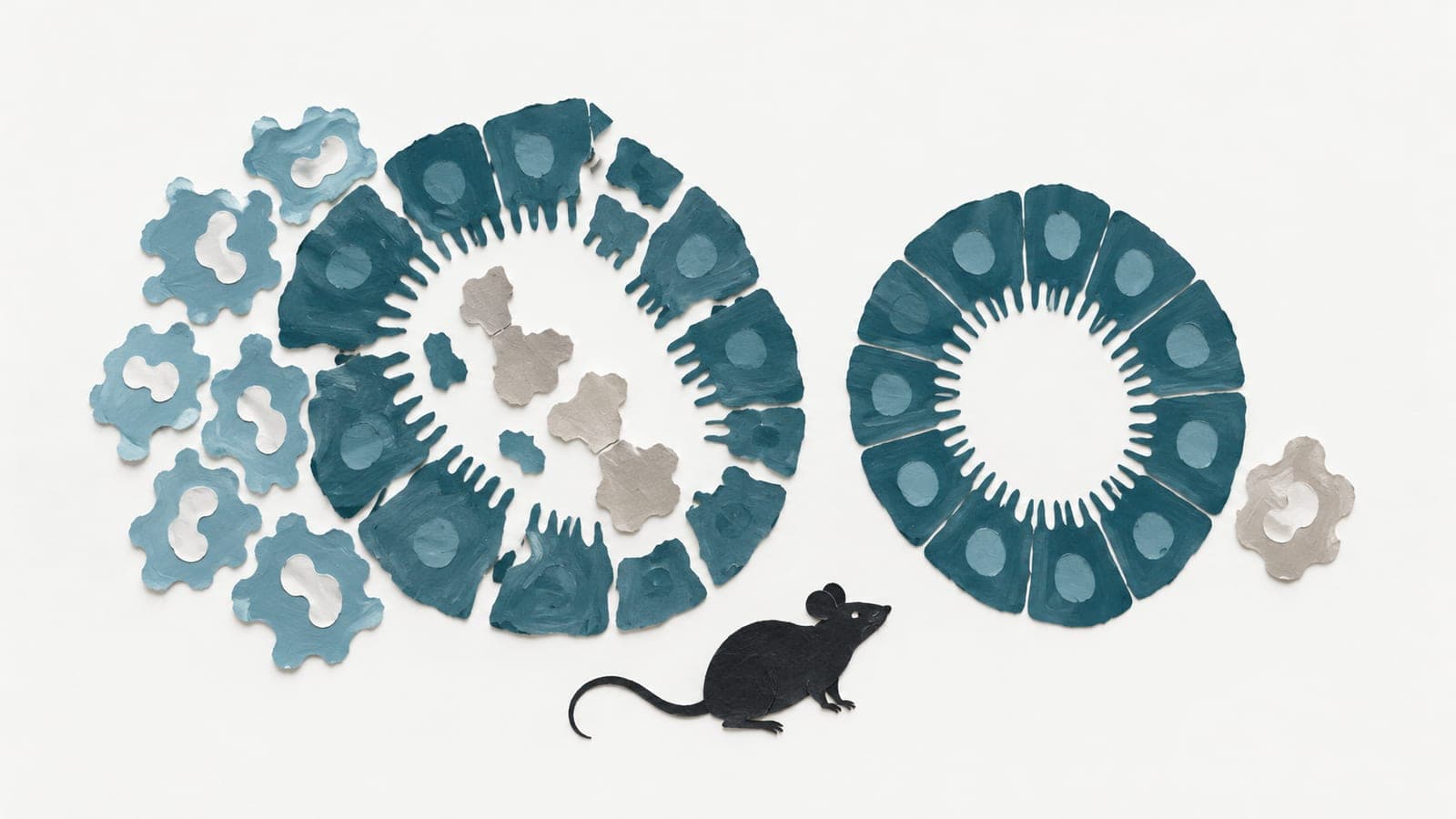
After 38–44 weeks of hormone exposure, the estrogen-plus-castration group excreted less protein in urine and had lower injury scores in the kidneys’ filtering structures. Results suggested no increased kidney injury or inappropriate activation of the renin–angiotensin system, which helps regulate blood pressure. Kidney function remained unclear. Creatinine clearance, an estimate of how well kidneys filter blood, did not differ between groups. Clearance of cystatin C, another marker used to assess kidney function, was lower, suggesting reduced filtration.
Why it matters
The study addressed whether long-term feminizing hormone therapy adds to kidney injury with aging. The authors called for more accurate ways to assess its effects on kidney function.
Caveats
The experiment combined estrogen with castration, so it did not isolate estrogen’s effects. Results in male rats do not establish the effects of feminizing hormone therapy in people.
The paper
University of Mississippi Medical Center
Journal of Applied Physiology, May 19, 2026, Open access
Comments
Be the first to comment.