Brain fluid-producing tissue releases an active enzyme in mice
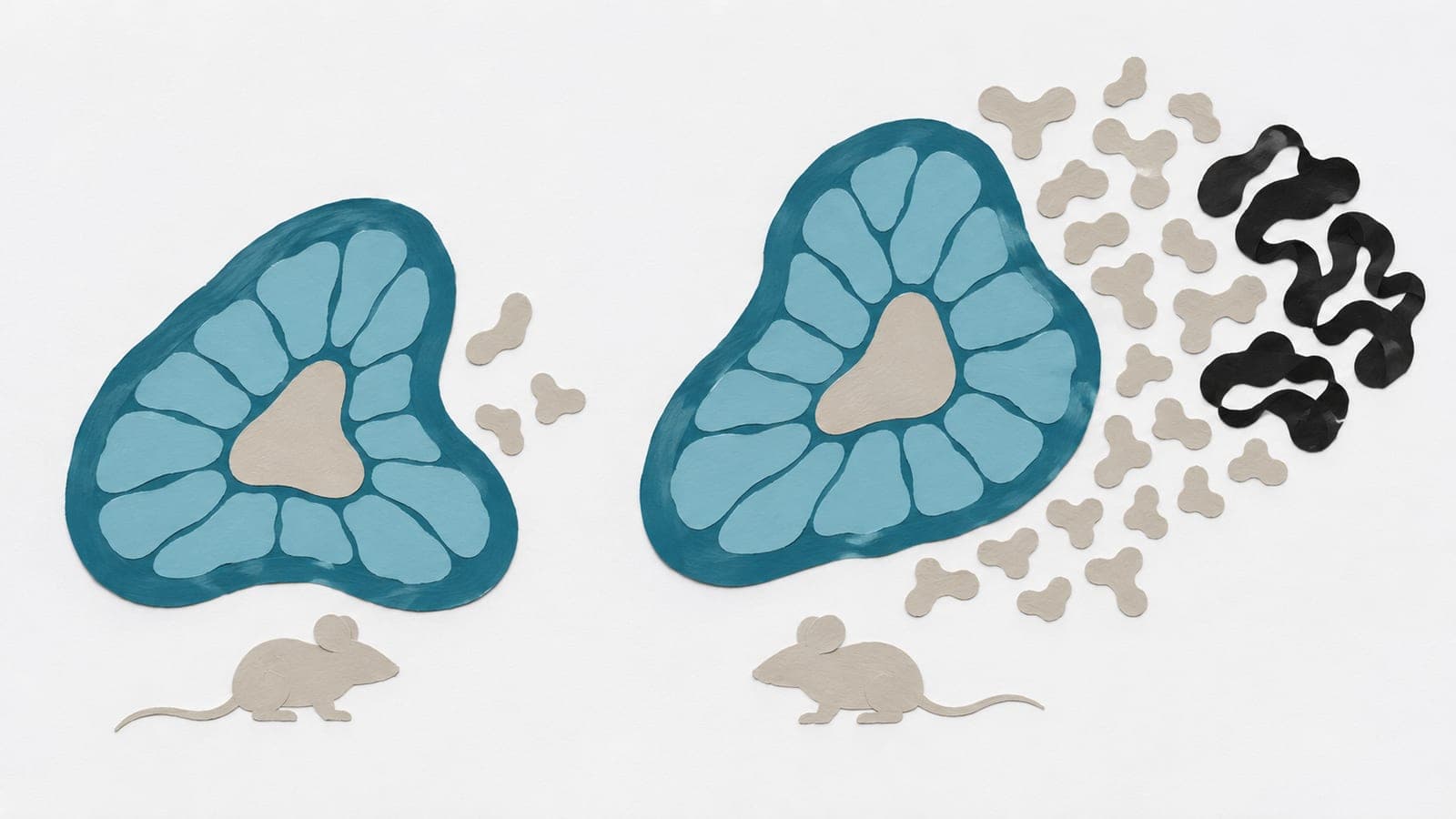
Tissue removed from mice released renin, an enzyme in a system important for cardiovascular and brain function, during 24 hours in laboratory fluid.
Our read
Mechanisms- Studied:
- Preprint: experiments in female and male C57BL/6J mice, 24 hours
- What changed:
- Tissue removed from mice released active renin during 24 hours in artificial cerebrospinal fluid
- The catch:
- Enzyme release was tested in mouse tissue outside the body rather than in living animals
Editor of record: Boris Djordjevic · AgingResearch.News
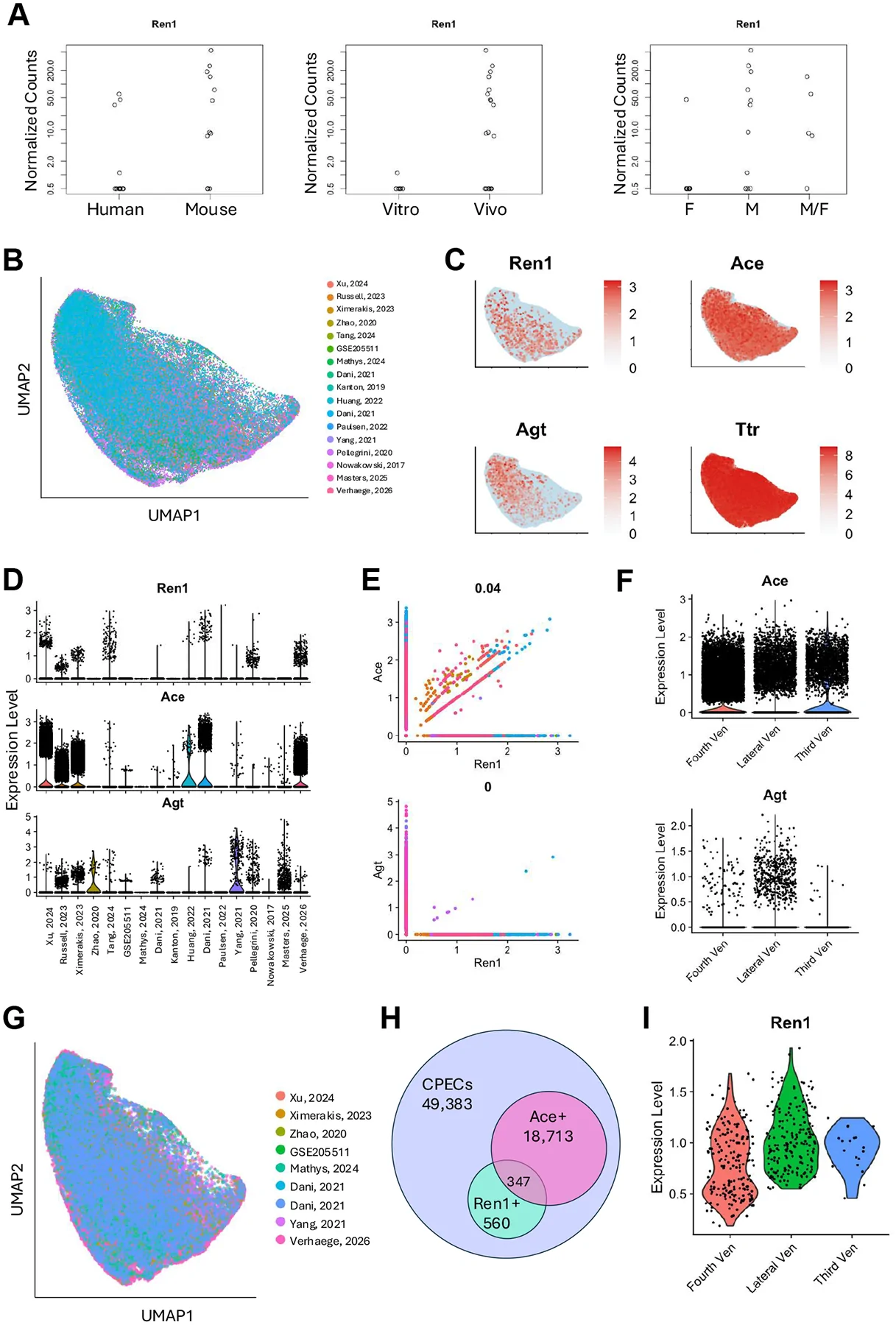
Experiments in female and male C57BL/6J mice aged 3–12 months identified the choroid plexus as a source of active renin. This tissue makes most of the fluid surrounding the brain and spinal cord, called cerebrospinal fluid. Tissue removed from mice released the enzyme during 24 hours in artificial cerebrospinal fluid. Analyses of existing RNA datasets also detected renin gene activity in mouse and human choroid plexus cells.
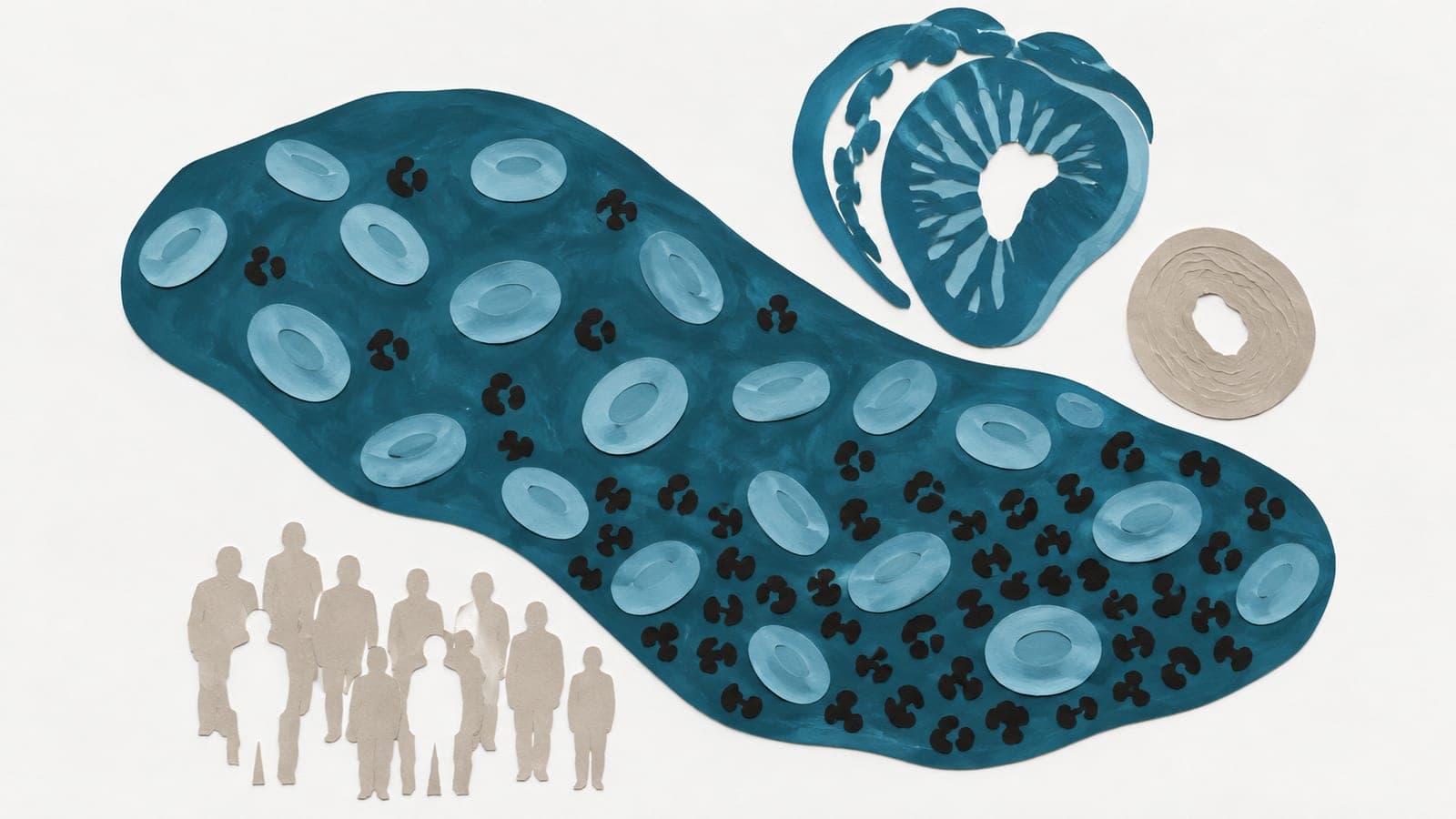
An observational analysis measured cerebrospinal fluid renin activity in 20 adults from a 21-person cohort averaging 72.04 years old, with 53% female participants. Participants had no cognitive impairment, mild cognitive impairment—problems with memory or thinking—or Alzheimer’s disease. Older age was associated with higher cerebrospinal fluid renin activity, but not blood renin activity.
Why it matters
The renin-angiotensin system is important for brain function. Understanding its activity within the brain bears on how brain physiology changes with age.
Caveats
Release was tested in mouse tissue outside the body, while the human age association came from a small, cross-sectional analysis. This preprint has not been peer-reviewed; the human cohort included only adults aged 55 or older and excluded people with major psychiatric illness or neurological diseases such as multiple sclerosis.
The paper
The choroid plexus is a source of active renin in the central nervous system
Vanderbilt University Medical Center
Research Square, Jul 30, 2026, Open access, Preprint, not yet peer-reviewed
Comments
Be the first to comment.