Sequential release of Zn²⁺ and rapamycin-loaded EVs from a microsphere-hydrogel platform accelerates healing of infected diabetic wounds
Abstract
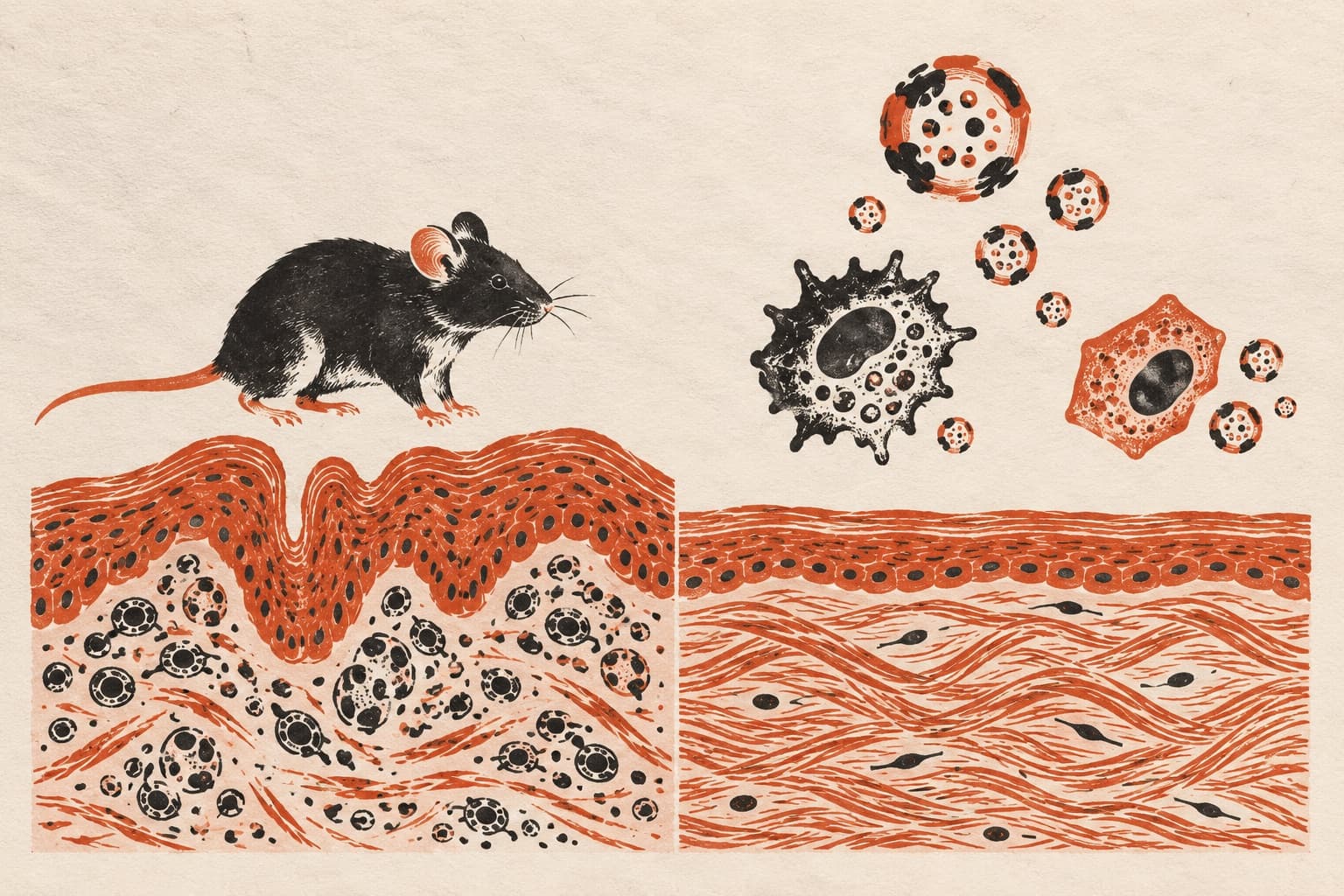
Bacterial infection and cellular senescence are key factors that impair healing in chronic diabetic wounds. To address these problems, we developed a microsphere-hydrogel platform that promotes diabetic wound repair through antibacterial and anti-senescence effects. We used gelatin methacryloyl (GelMA) hydrogels incorporated with the zeolitic imidazolate framework-8 for the rapid release of Zn²⁺, which demonstrated potent antibacterial effects. Concurrently, poly(ethylene glycol) diacrylate (PEGDA)/GelMA microspheres facilitated the sustained delivery of rapamycin-loaded extracellular vesicles (EVs-R). The released EVs-R activated autophagy and strengthened antioxidant defenses, thereby suppressing the nuclear factor-κB/senescence-associated secretory phenotype (SASP) axis and mitigating cellular senescence. In vitro, the platform inhibited bacterial growth and restored the functions of senescent fibroblasts by promoting the proliferation and migration of fibroblasts, reducing the levels of intracellular reactive oxygen species, and downregulating the expression of SA markers (p16, p21, and p53) and representative SASP factors. In an infected diabetic mouse model, the platform accelerated wound closure, exhibited robust antibacterial activity, decreased oxidative stress, mitigated cellular senescence, increased collagen deposition, and promoted angiogenesis without inducing systemic toxicity. These findings collectively highlight the therapeutic potential of this microsphere-hydrogel platform, which integrates antibacterial and anti-senescence functions to yield an effective, multifaceted strategy for repairing infected diabetic wounds more efficiently.
The paper
Zhengzhou University
International Journal of Biological Macromolecules, 13 May 2026