Heterogeneity of Response to PD-1/PD-L1 Inhibitors in Elderly Patients with Advanced NSCLC under the Background of Immunosenescence and Intervention Strategies
Abstract
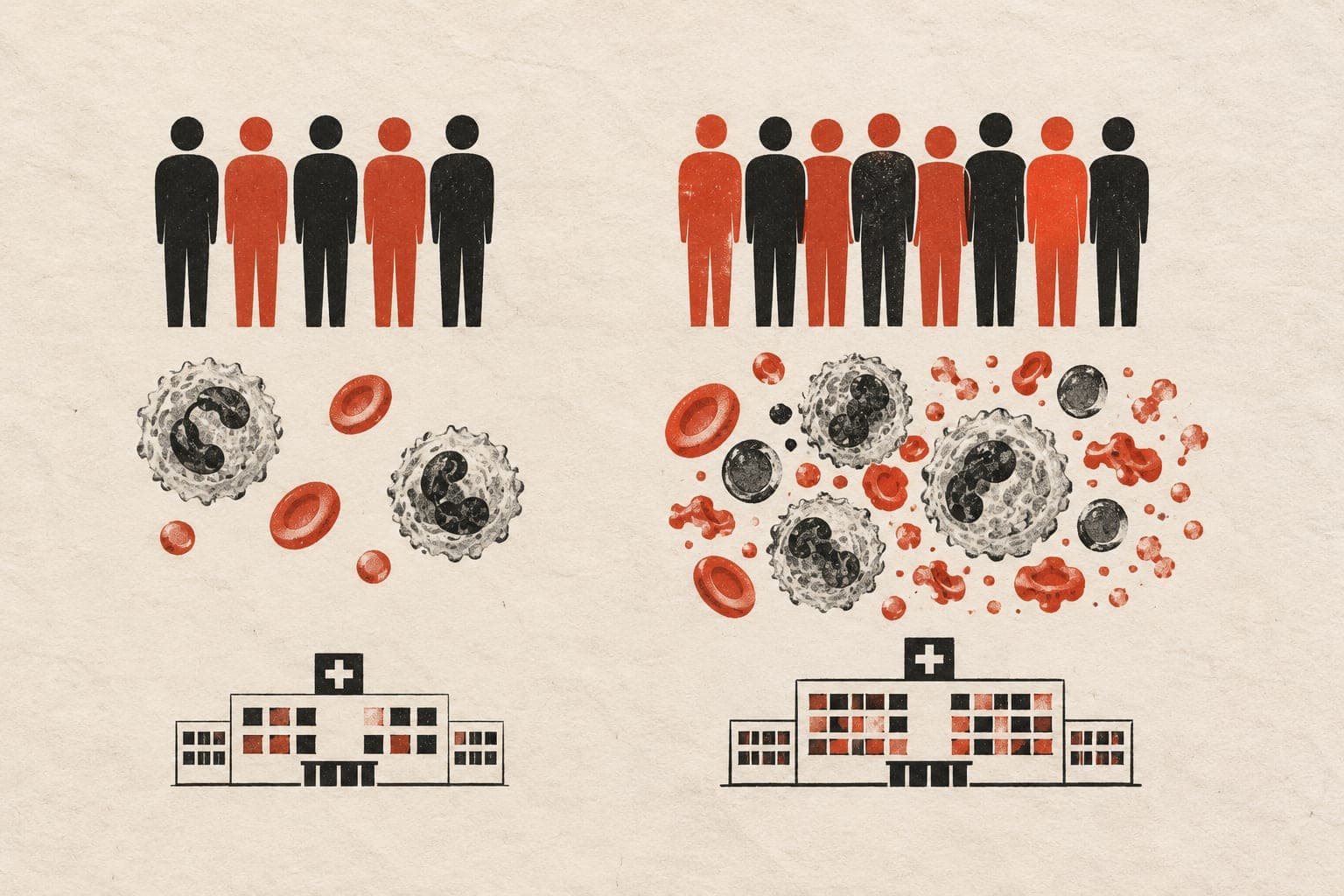
The proportion of elderly patients with advanced non-small cell lung cancer (NSCLC) is on the rise. While programmed death protein 1 (PD-1)/programmed death ligand 1 (PD-L1) inhibitors have revolutionized the management of advanced NSCLC and improved patient survival, but the elderly display prominent immunosenescence features. Age-associated thymic involution, diminished T-cell repertoire diversity, and chronic inflammation directly compromise the efficacy of immunotherapy. Furthermore, the underrepresentation of elderly patients in clinical trials and the paucity of high-quality evidence-based data jointly contribute to significant heterogeneity in their therapeutic responses to PD-1/PD-L1 inhibitors. While patients aged 65-74 years maintain significant survival benefits from immunotherapy - whether as monotherapy or combined regimens - those aged ≥75 years exhibit attenuated efficacy and heightened susceptibility to immune-related adverse events. To address these challenges, Comprehensive Geriatric Assessment (CGA) enables risk-adapted therapeutic strategies, guiding interventions such as adjusted-dose immunotherapy, selective combination therapies, and emerging approaches targeting senescence-associated immune dysfunction. Closing current evidence gaps, particularly for underrepresented octogenarians, remains imperative, as does advancing precision immunotherapy models founded on biological aging metrics rather than chronological age alone. Bridging these knowledge gaps will permit tailored treatment algorithms to optimize outcomes in this clinically complex population. .
The paper
Kunming Medical University
Zhongguo Fei Ai Za Zhi, 20 Mar 2026