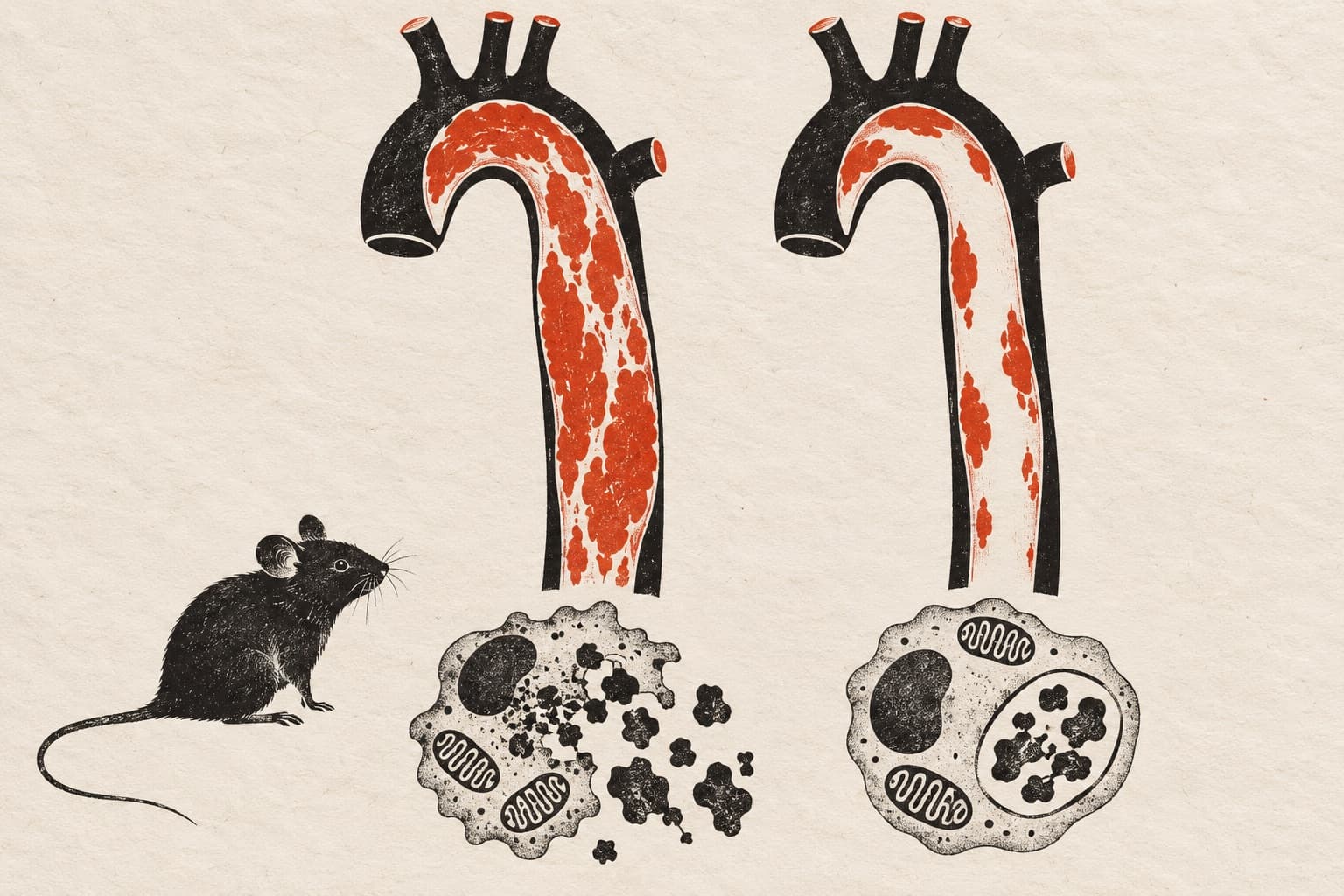
Rapalink-1 Attenuates Oxidative-Stress-Induced Senescence in Vascular Cells in Association with Reduced NF-κB and MAPK Signaling
Abstract
Oxidative stress contributes to vascular dysfunction and senescence-associated changes through activation of inflammatory and stress-responsive signaling pathways. Although the mammalian target of rapamycin (mTOR) integrates metabolic and redox-related signals, its role in vascular stress responses remains incompletely understood. In this study, we investigated the effects of Rapalink-1, an mTOR inhibitor, on H₂O₂-induced injury responses in human vascular endothelial cells (HUVECs) and vascular smooth muscle cells (SMCs). Oxidative stress-associated changes were assessed using oxidation-sensitive fluorescence, DNA damage markers (γ-H2AX and 8-OHDG), and senescence-associated readouts (SA-β-gal, Lamin B1, and p21). Senescence-associated secretory phenotype (SASP)-related factors were analyzed by qPCR and Western blot, and mTOR-, NF-κB-, and MAPK-related signaling was evaluated by Western blotting. H₂O₂ exposure reduced cell viability and increased oxidative stress-associated readouts, DNA damage markers, senescence-associated changes, and SASP-related factor expression in both HUVECs and SMCs. Rapalink-1 attenuated many of these responses, including oxidation-sensitive fluorescence, γ-H2AX and 8-OHDG staining, SA-β-gal positivity, Lamin B1 loss, p21 upregulation, and the expression of inflammatory and matrix-remodeling factors. These effects were accompanied by reduced phosphorylation of p65, p38, ERK1/2, S6, and 4EBP1. Overall, Rapalink-1 is associated with attenuation of oxidative stress-induced injury responses in vascular endothelial and smooth muscle cells, together with reduced NF-κB-, MAPK-, and mTOR-related signaling. These findings support further investigation of mTOR-targeted approaches in vascular aging and oxidative stress-related vascular dysfunction.
The paper
Düsseldorf University Hospital
Biology, 6 May 2026, Open access