CD177⁺ Neutrophils Promote Endothelial Senescence Through Extracellular Traps in Behçet Disease
Abstract
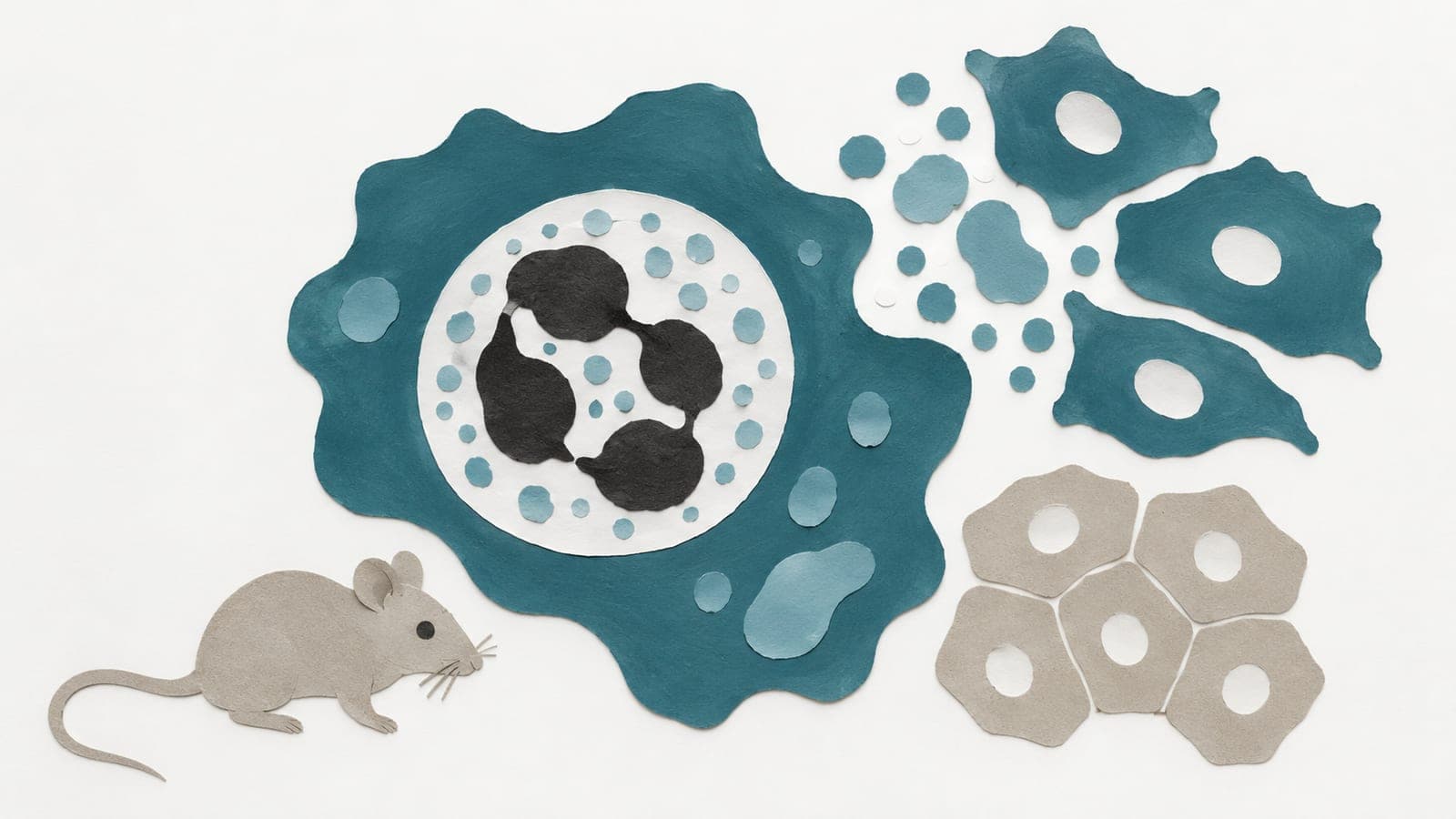
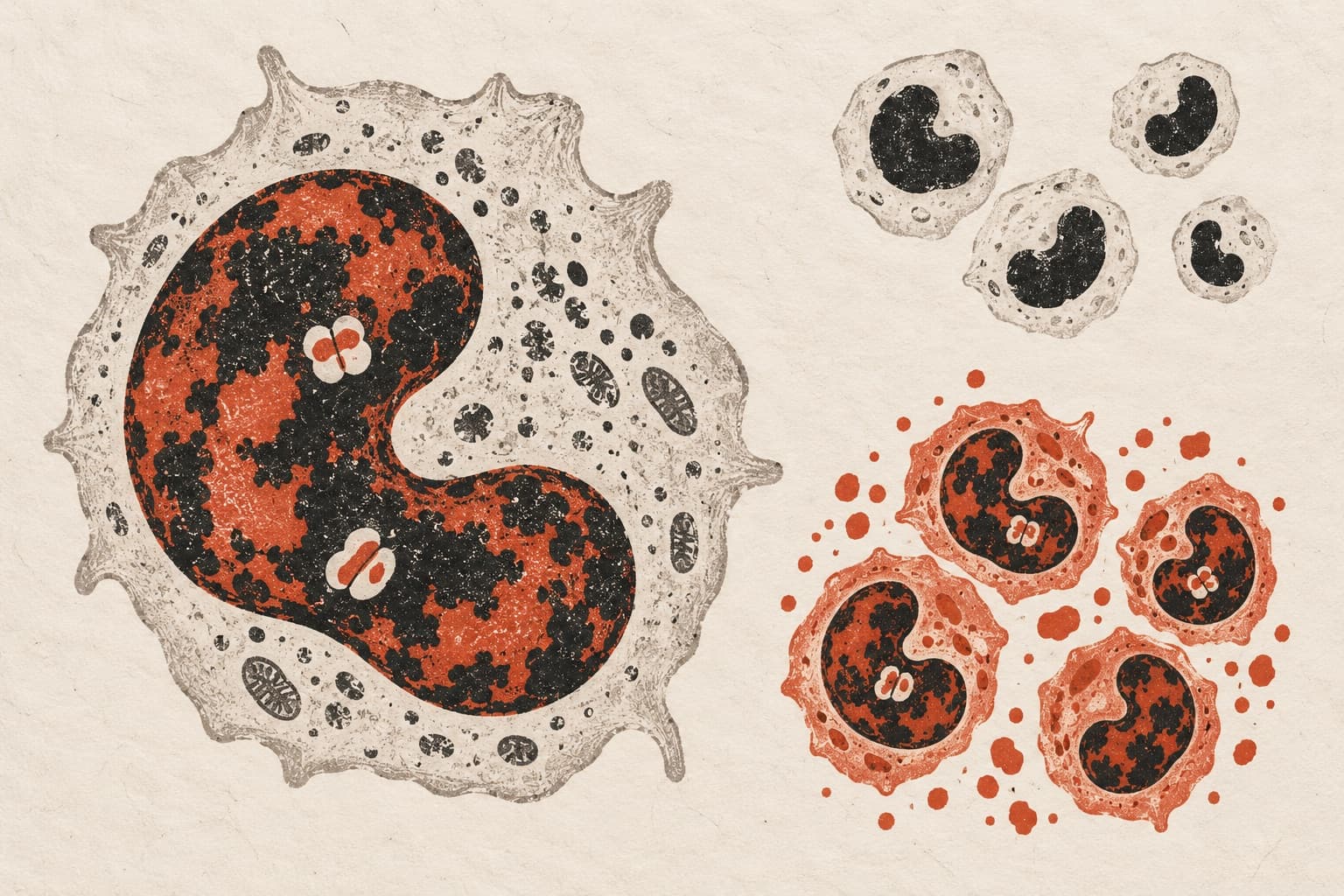
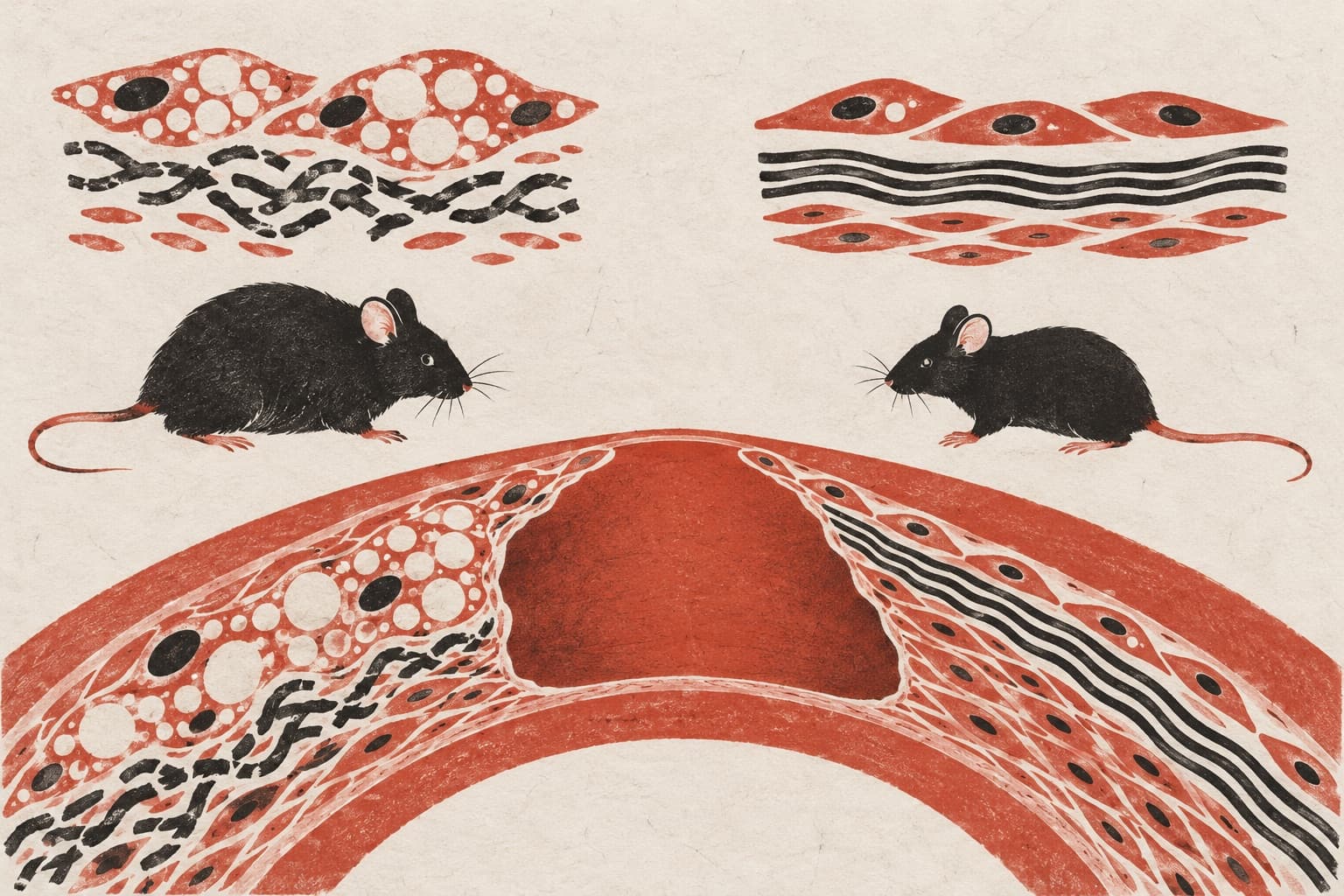
OBJECTIVE: To investigate CD177⁺PMN dysregulation on endothelial cells in Behçet disease (BD), a chronic systemic vasculitis characterized by polymorphonuclear neutrophil (PMN) activation and endothelial dysfunction. METHODS: We reanalyzed BD PMN RNA-sequencing data and quantified CD177⁺PMN in BD peripheral (n = 38) and vascular tissue. We then analyzed BD and healthy control CD177⁺PMN using RNA sequencing (n = 7) and measured neutrophil extracellular trap (NET) production, which were used to stimulate vascular endothelial cells (VECs) for RNA-sequencing analysis. Differentially expressed proteins in NETs were determined by mass spectrometry. Senescence, senescence-associated secretory phenotype (SASP), and PMN chemotaxis of VECs treated with BD CD177⁺PMN-derived NETs were assessed. RESULTS: Transcriptome analysis revealed BD PMN overexpressed CD177. CD177⁺PMN subset was expanded in active and severe systemic BD and accumulated in BD aortic walls. Enhanced NETosis and oxidative phosphorylation in BD CD177⁺PMN were noted in RNA sequencing, which were confirmed in both resting and activated BD CD177⁺PMN. BD CD177⁺PMN-derived NETs promoted senescence, SASP, and PMN chemotaxis in VECs using RNA-sequencing analysis, which were validated by up-regulated IL-6, CXCL8, ICAM-1, p21, SA-β-gal, and cell proliferation arrest. Mass spectrometry identified that BD CD177⁺PMN-derived NETs contained more histone 3.1 (H3.1). H3.1 induced senescence, SASP, and PMN chemotaxis in VECs via Toll-like receptor 4 signaling, which was attenuated by senolytics. CONCLUSION: Increased CD177⁺PMN in patients with BD promotes senescence and SASP in VECs through secreting H3.1-enriched NETs, which recruit PMN and collectively contribute to vasculitis in BD.
The paper
Chinese Academy of Medical Sciences & Peking Union Medical College
Arthritis & Rheumatology, 11 May 2026