Therapeutic potential of cannabinoid receptor 2 agonist osteogenic growth peptide in lung fibrosis in aged mice
Abstract
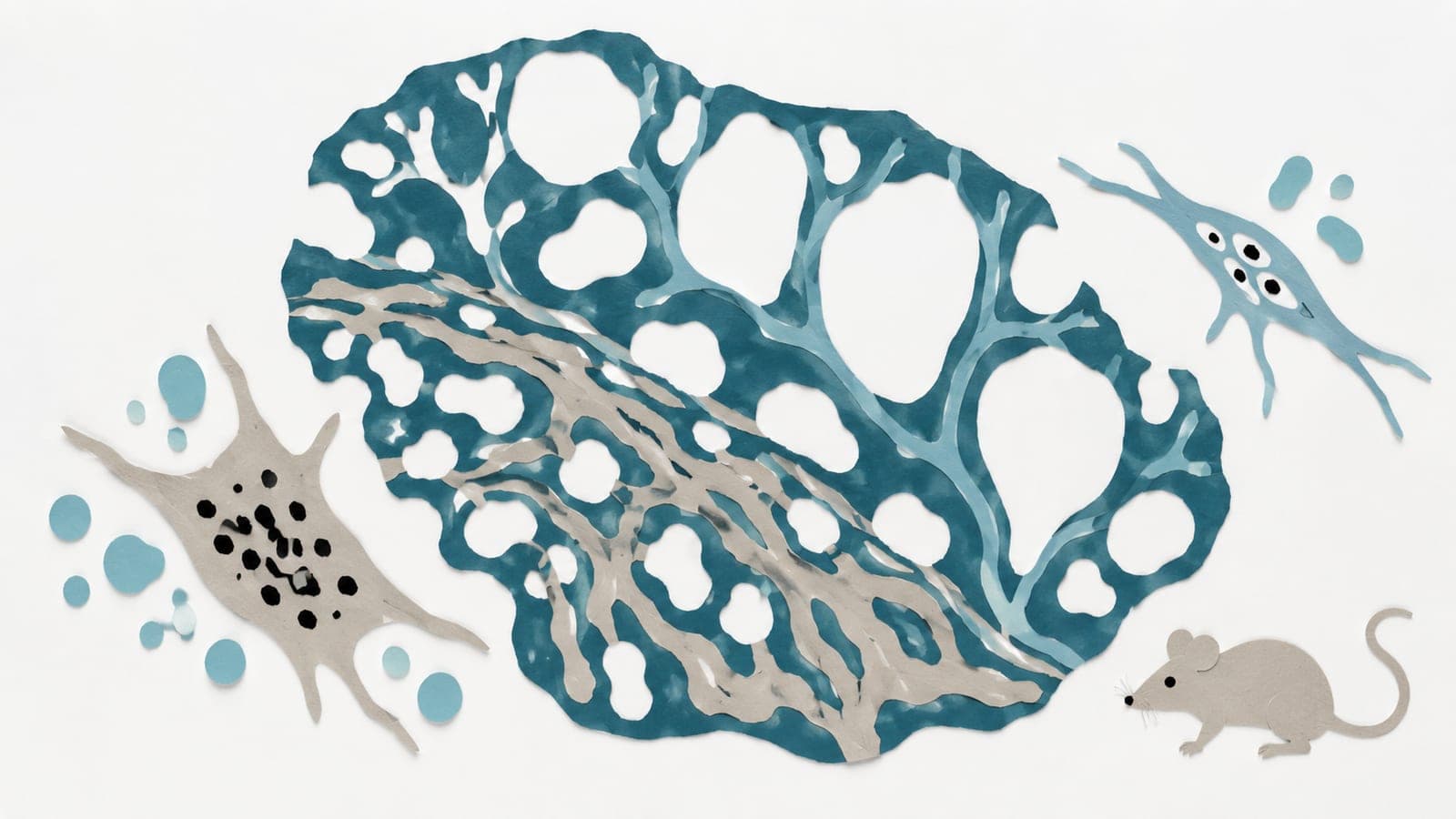
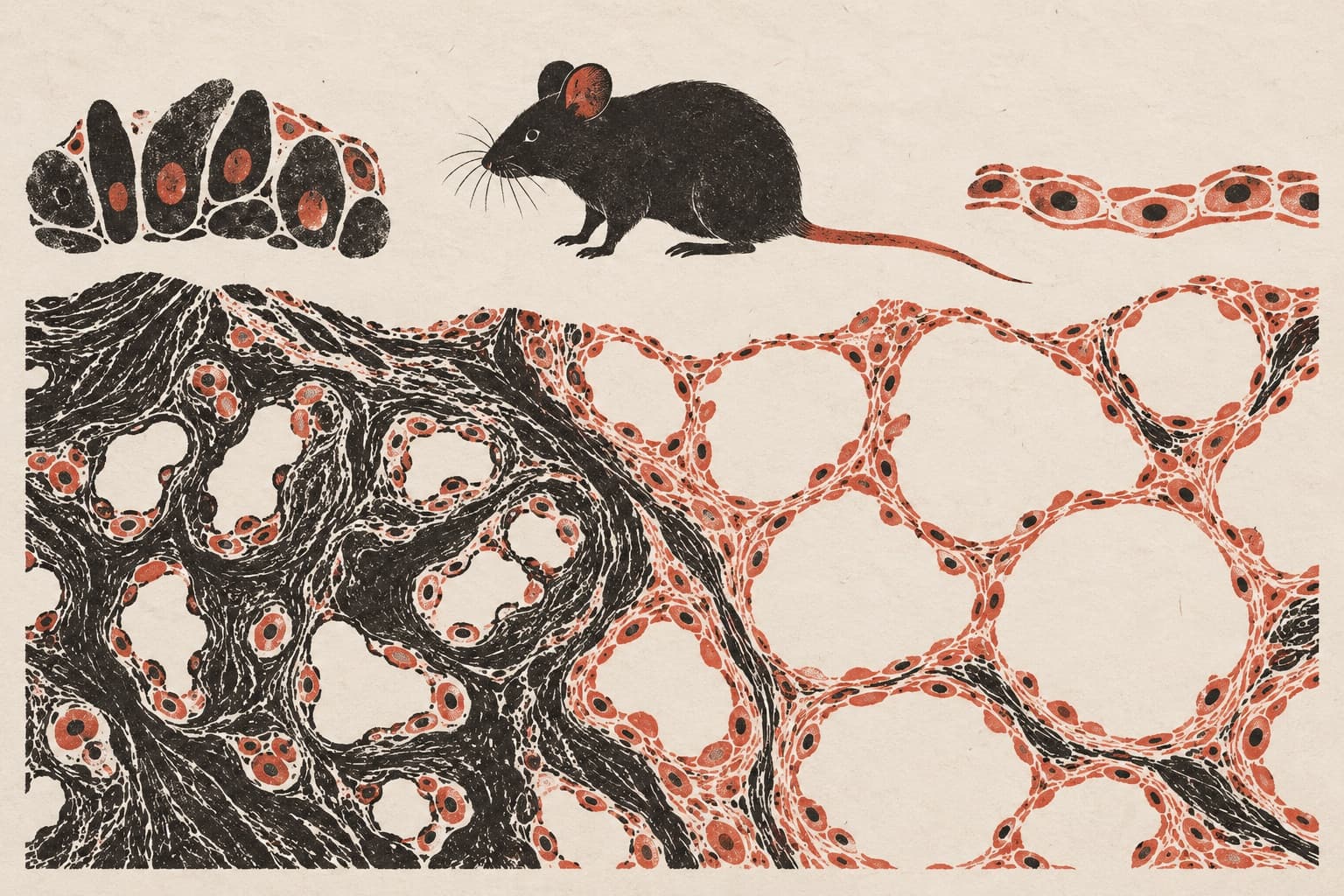
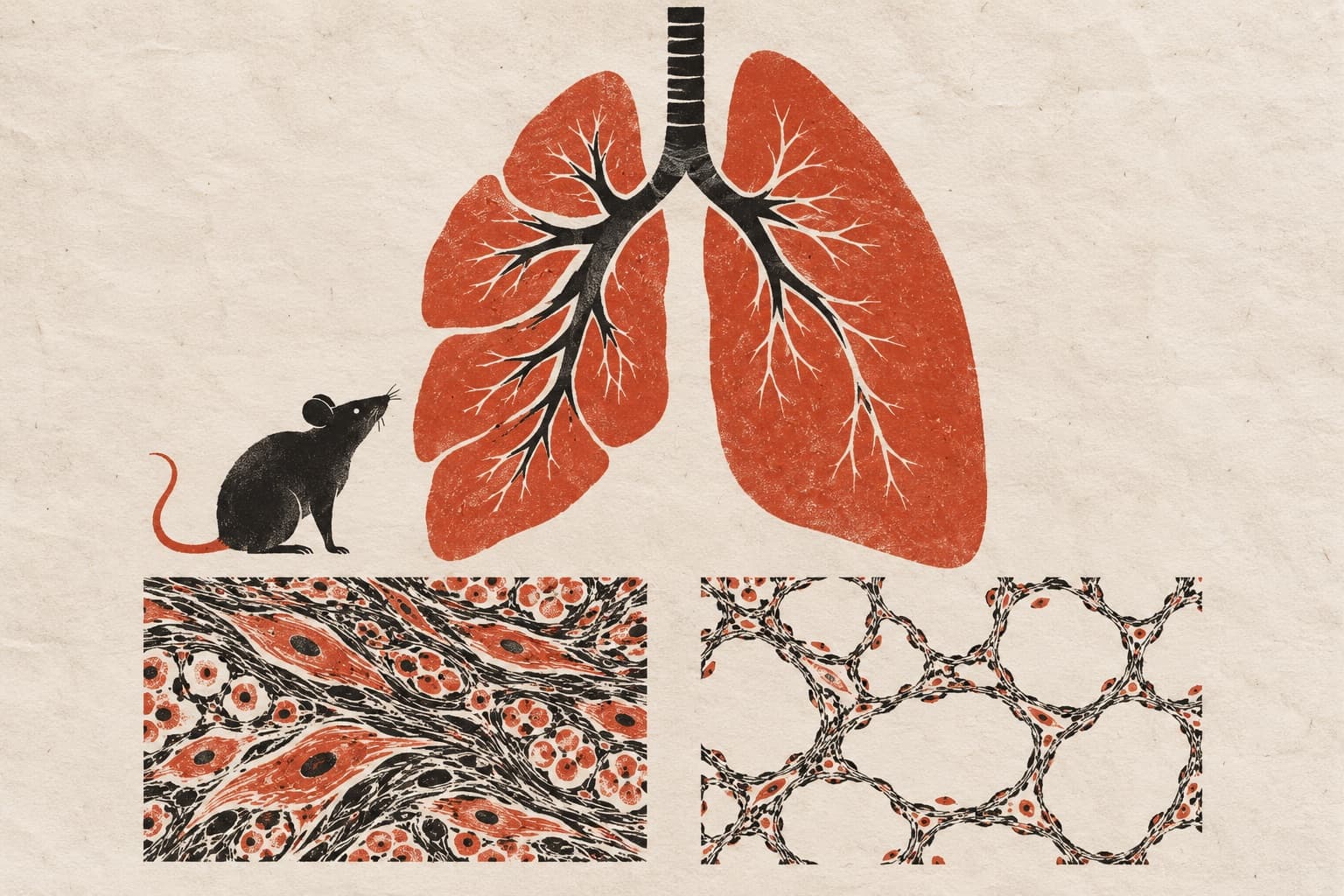
Pulmonary fibrosis poses a significant challenge in respiratory medicine, requiring innovative approaches and novel therapeutic strategies. This study explores the therapeutic potential of osteogenic growth peptide (OGP), an endogenous selective CB2 agonist, in a bleomycin-induced lung fibrosis model in both young and aged mice. Bleomycin (BLM) or saline was administered intratracheally. We injected OGP, saline, or hydrocortisone (positive control in young mice only) intraperitoneally daily from day 5 for 3 weeks (young mice) or 2 weeks (old mice). OGP significantly improved survival and reduced weight loss in BLM-treated mice. Histologically, OGP treatment significantly reduced the Ashcroft scale of disease severity, collagen content, and extracellular matrix (ECM) thickening in young and aged BLM-treated mice. Immunohistochemical analysis of alpha-smooth muscle actin (α-SMA) expression and gene expression profiling of key fibrotic markers also demonstrated a significant anti-fibrotic effect of OGP and its ability to mitigate myofibroblast activation in vivo. Overall, the beneficial impact of OGP was superior to that of hydrocortisone. We also performed an immunological profiling in old mice using flow cytometry. We found no significant differences in the numbers of T and myeloid cells, suggesting that OGP is not strictly immunosuppressive and it exerts specific anti-fibrotic actions on fibroblasts. Indeed, we found that OGP inhibits myofibroblast proliferation in murine primary cell cultures. This research demonstrates that OGP is a potent anti-fibrotic agent in both young and aged mice, with promising therapeutic potential in respiratory medicine.
The paper
Tel Aviv University
American Journal of Respiratory Cell and Molecular Biology, 6 May 2026, Open access