Aging alters synergistic microRNA networks in exosomes to stimulate repair in lung injury and skin wound healing
Abstract
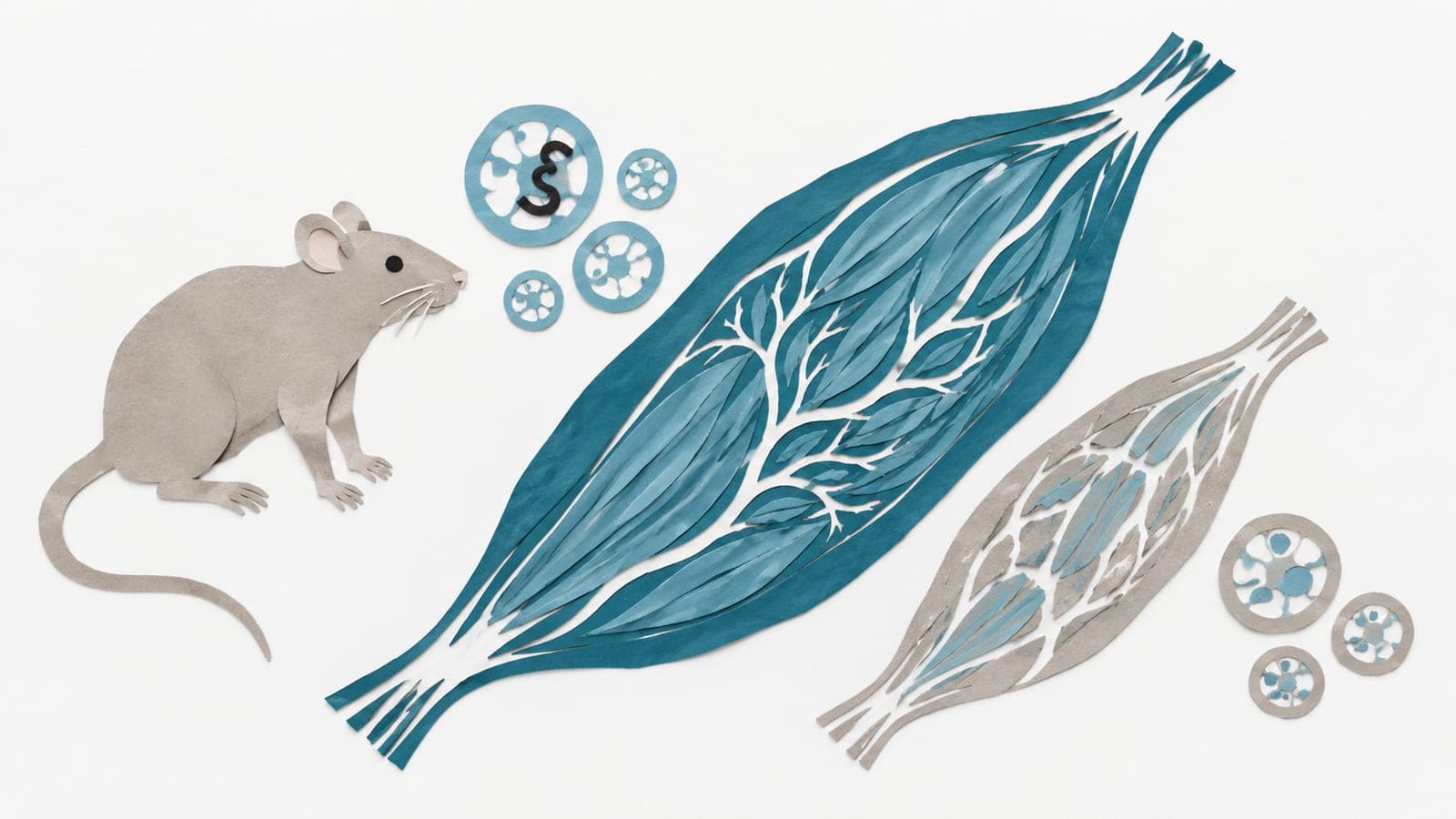
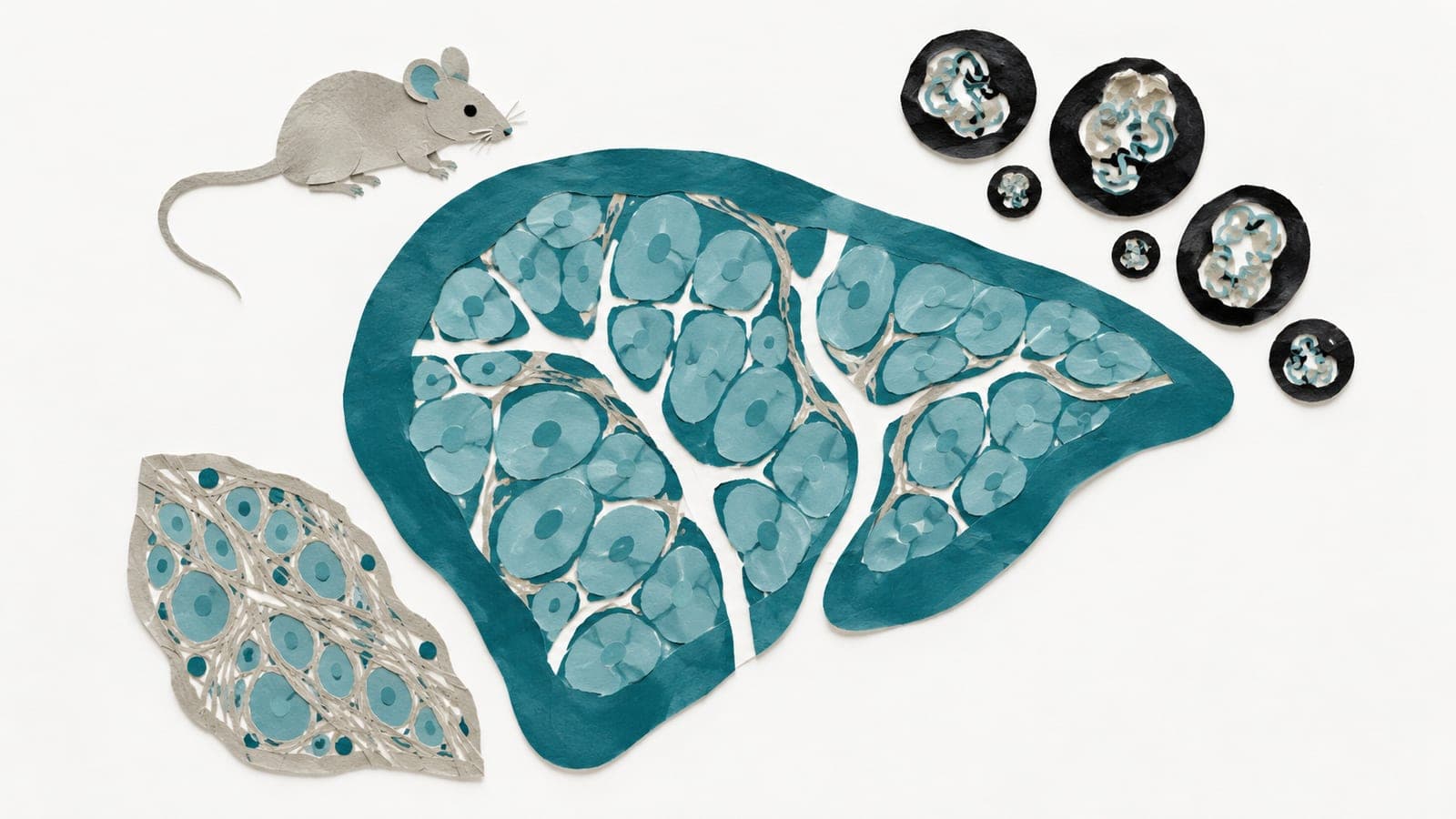
Mesenchymal stem cells (MSCs) deliver their effects via paracrine signaling, including the release of extracellular vesicles (EVs), which transfer microRNAs (miRNAs) and mRNAs to recipient cells. Aging alters exosome composition and function, raising questions about donor age, the use of autologous vs. allogeneic donors, and exosome dose and dosing frequency for exosome-based therapies in fibrotic lung disease. To address these gaps, we investigated how exosomes from younger (28-39 years, adult-exo) and older (58-66 years) donors influence fibrosis and tissue repair. Exosomes were delivered intravenously to 18-months-old male C57BL/6 mice on day 12 post-bleomycin (BLM), with lung injury evaluated on day 21 by histologic, molecular, mitochondrial, and telomere analyses. A human skin injury model was used to quantitate exosome-mediated wound healing. Adult-exo reduced lung injury and accelerated skin wound closure. RNA sequencing (RNA-seq) revealed that adult-exo carried elevated antifibrotic miRNAs, such as let-7. Pathway enrichment linked this cargo to extracellular matrix (ECM) remodeling, mitochondrial function, and senescence. Adult-exo treatment also downregulated fibrosis- and senescence-associated miRNAs, such as miR-34, in lung tissue. In vitro experiments confirmed alterations in multiple downstream pathways, mediating reparative effects. These findings underscore age-dependent differences in stem cell-derived exosomes and demonstrate that synergistic miRNA cargo drives maximal efficacy.
The paper
Loyola University Chicago
Molecular Therapy Nucleic Acids, 3 Apr 2026, Open access