Long-Term Consequences of Preterm Birth: A Lifespan Perspective
Abstract
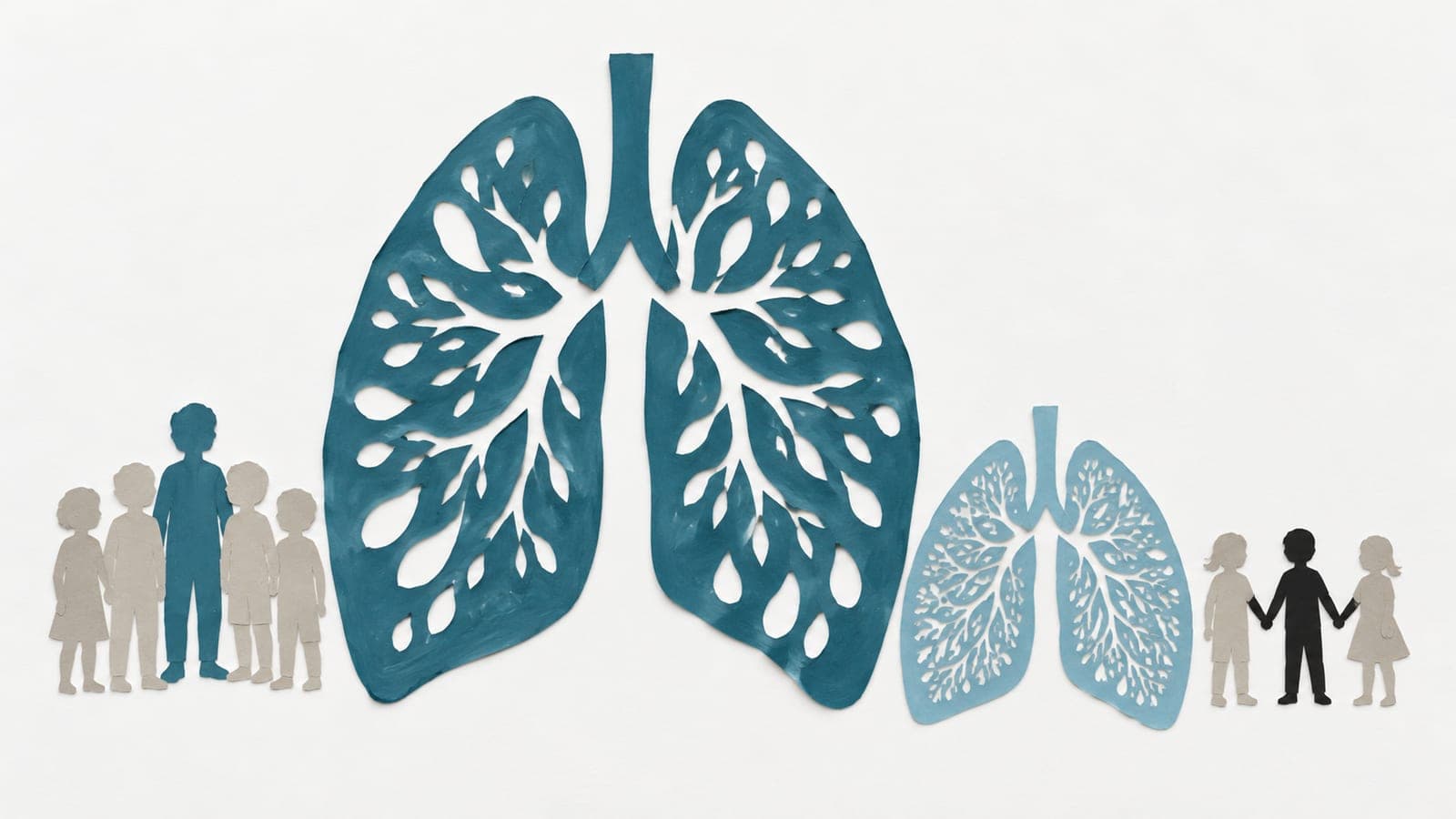
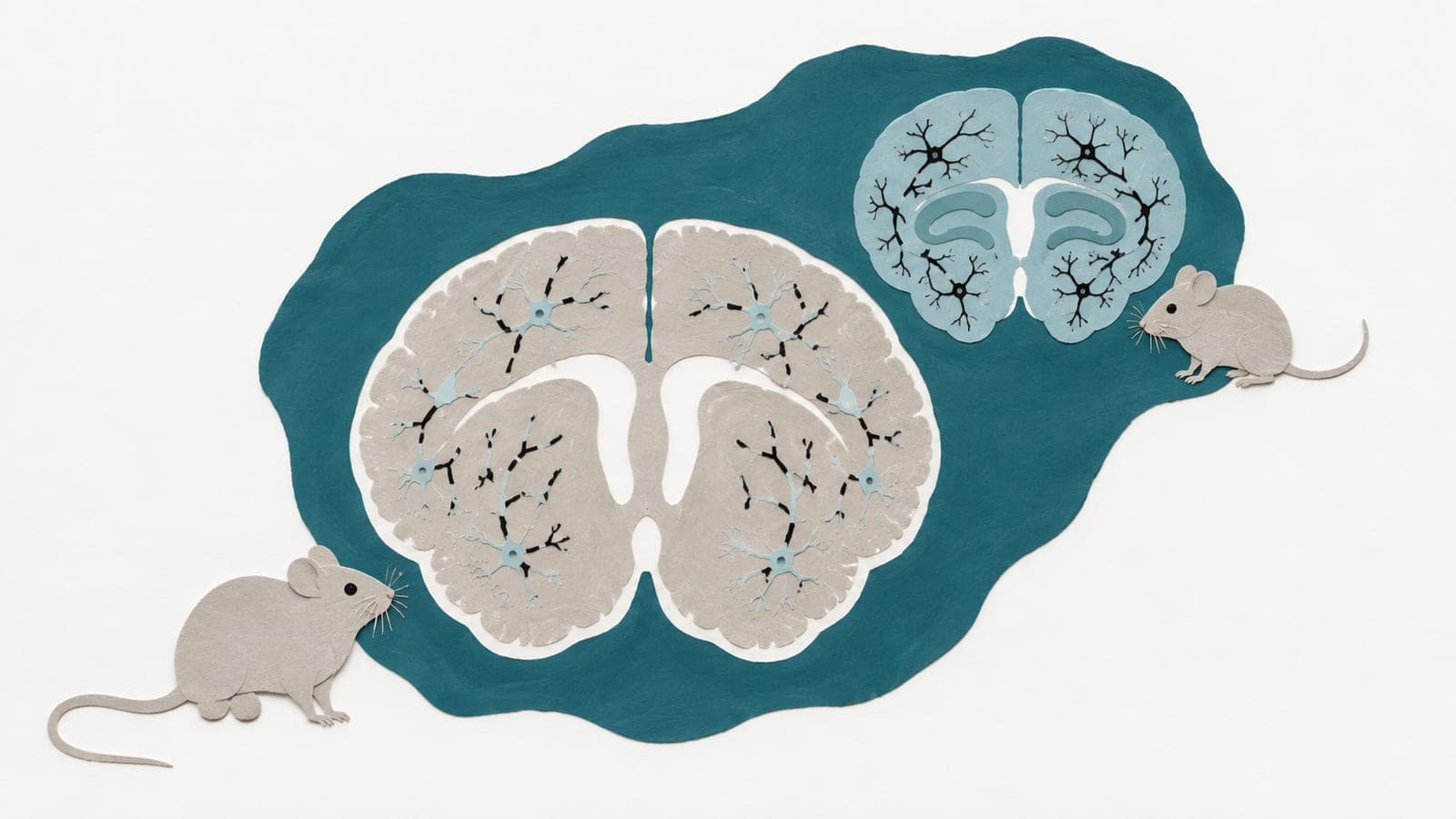
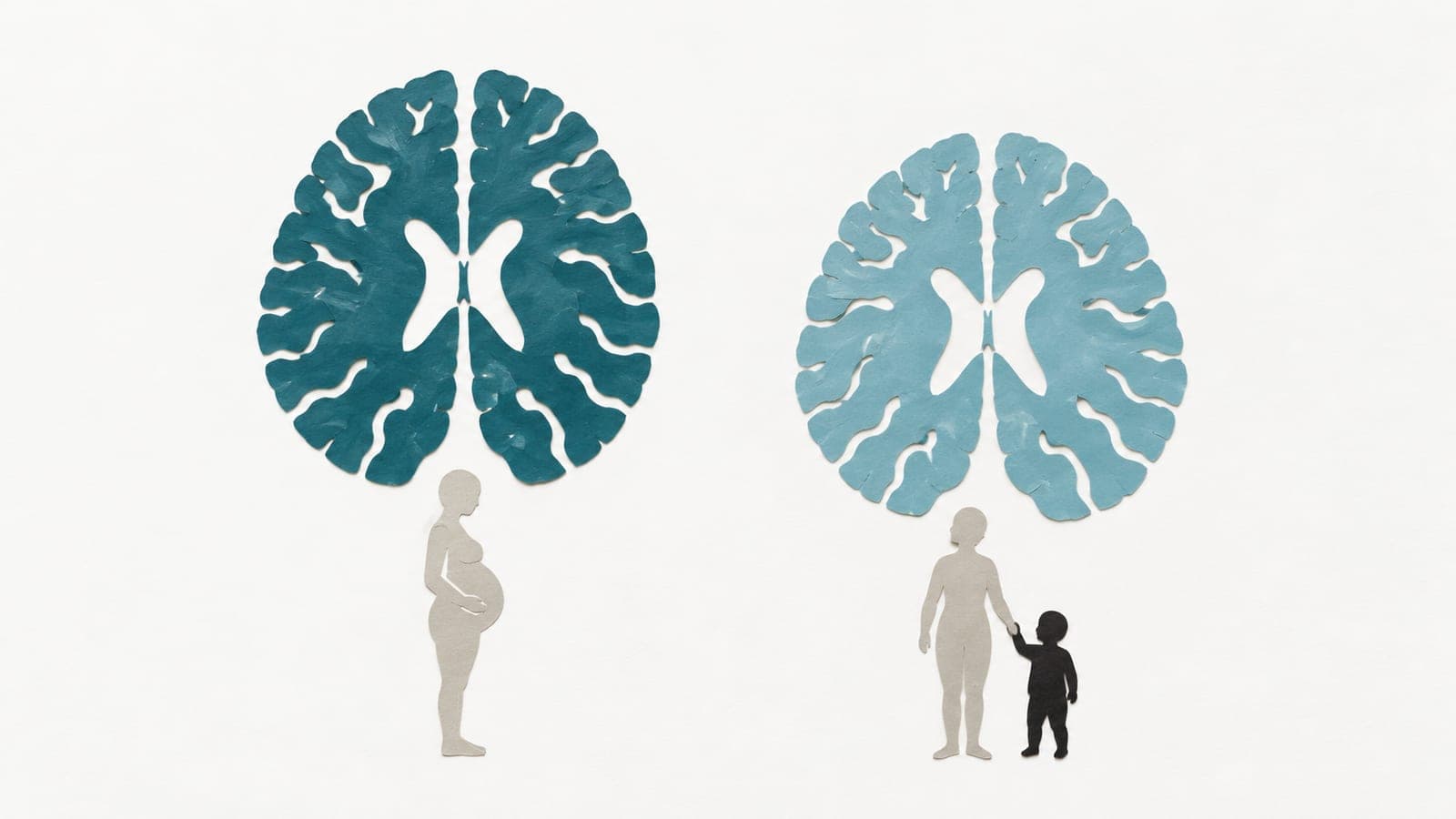
BACKGROUND: Preterm birth is increasingly recognized as a determinant of health across the lifespan, influencing neurodevelopment, psychiatric risk, cardiovascular function, and mortality. This review synthesizes current evidence linking early life adversity, including that associated with prematurity, to the brain-heart axis. We further describe the "fetus to fifty" model, highlighting how the early life experiences of preterm-born infants impact adult trajectories across the lifespan. SUMMARY: Cardiovascular and neurodevelopmental vulnerabilities in preterm-born infants are closely linked. Emerging evidence suggests that suboptimal perinatal hemodynamics and inflammation contribute to a shared cardio-cerebral phenotype, in which premature cardiovascular aging may impair cerebrovascular reserve and increase the risk of cognitive decline. KEY MESSAGES: We review the fundamental physiology underlying the early origins of diseases relating to mental health, personality, psychiatric diagnosis, neuroanatomical changes, and cardiopulmonary outcomes, emphasizing the interplay between biological vulnerability and social determinants. Lastly, we identify gaps in knowledge and future research directions to better understand preterm-born adults.
The paper
Children's Medical Center; The University of Texas Southwestern Medical Center
Developmental Neuroscience, 27 Apr 2026, Open access