Faster physical development linked to faster midlife aging
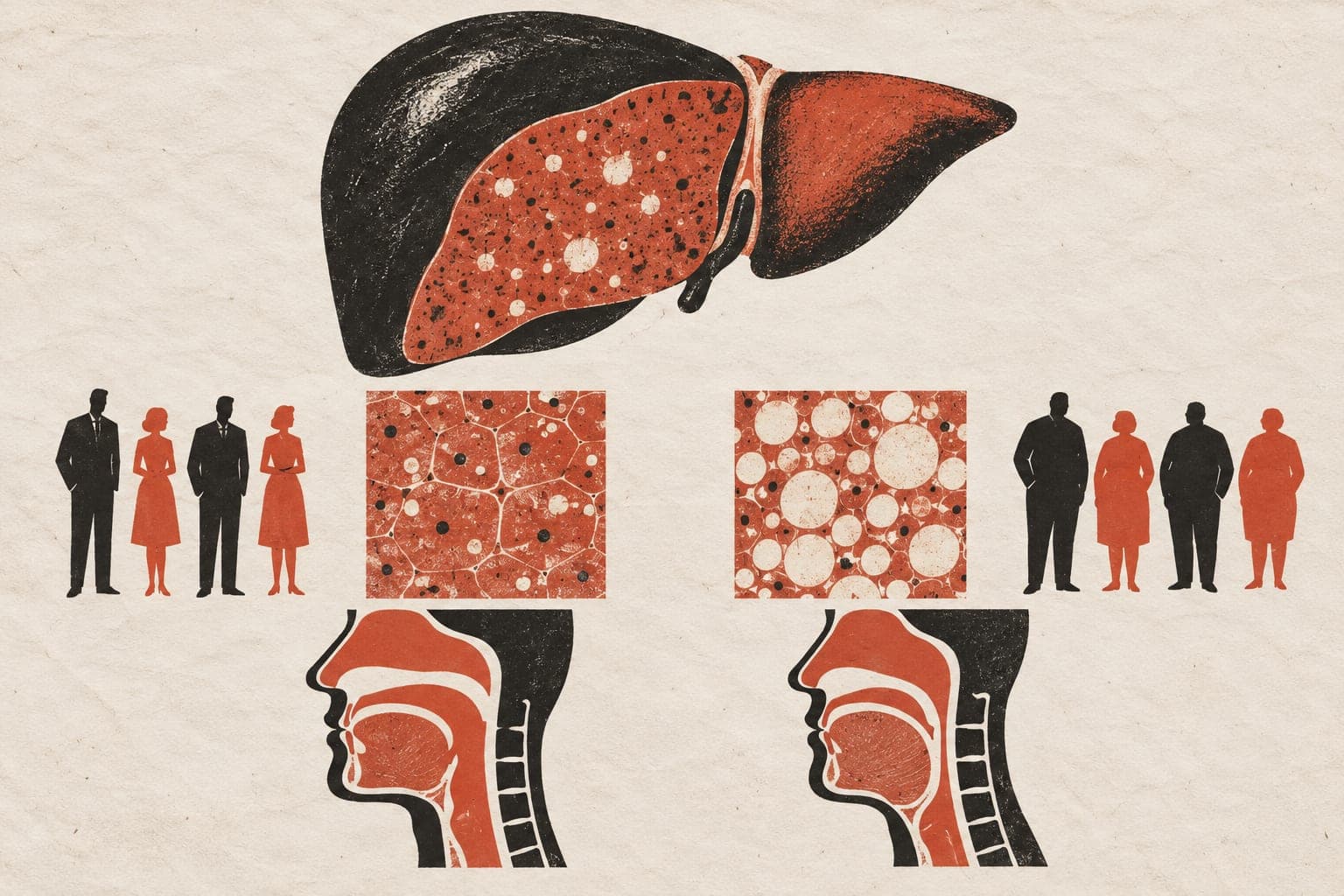
An observational study of 1,037 people aged 45 linked faster physical development in childhood to faster aging, but faster social development to slower aging.
Psychological Science
In an observational analysis, researchers studied 1,037 people aged 45 in the Dunedin Study and 1,537 people aged 33–44 in the Add Health Study. In Dunedin, they assessed physical development using measures including birth weight relative to pregnancy length, early weight gain, the timing of behavioural milestones and adolescent growth. They assessed social development with a social maturity scale. They measured biological aging through changes over time across several organ systems.
Faster physical development in Dunedin was associated with faster midlife aging. Faster social development was associated with slower midlife aging. In Add Health, girls who began menstruating earlier also had faster midlife aging.
Why it matters
Childhood development offers a starting point for investigating whether differences in the pace of adult biological aging are linked to earlier stages of life.
Caveats
The observational design cannot show that childhood development caused differences in aging. The two studies used different measures of physical development.
The paper
Do Children Who Develop Faster Go on to Age Faster in Midlife?
Show 9 more authors
Allison E Aiello, HonaLee Harrington, Renate Houts, Christopher Kositzke, Daniel W Belsky, Laurel Raffington, Jay Belsky, Sandhya Ramrakha, Reremoana F Theodore,Duke University
Psychological Science · 7 Oct 2026