The role of household composition in social isolation and anxiety: evidence from adults in South Africa during the COVID-19 pandemic
Abstract
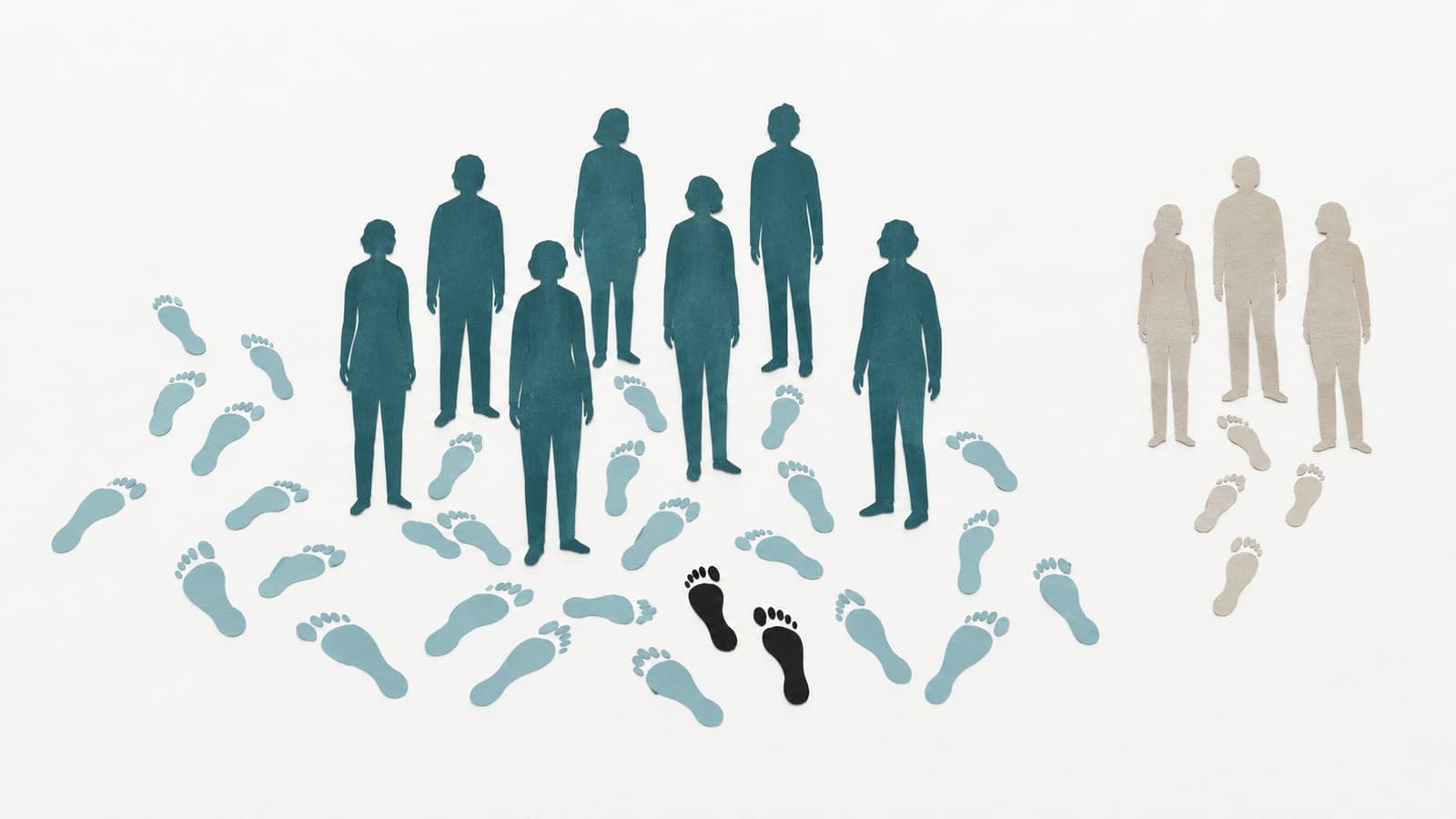
OBJECTIVES: Social isolation is a concern among aging populations, and household composition may play an important role in its impact on mental health. We use data from an aging cohort in rural South Africa to investigate the moderating role of household size and both gender and age composition in how declining extra-household social contact during the COVID-19 pandemic impacted anxiety. METHODS: The participants included in the data completed both wave 3 of Health and Aging in Africa: A Longitudinal Study of an INDEPTH Community (HAALSI) and a temporally overlapping COVID-19 phone survey (July 2021-March 2022) (n = 2,054). We measured anxiety using a modified 2-item Generalized Anxiety Disorder scale and used household size and the numbers of women, men, older adults (ages 60+), and children (<age 15) in the household as modifying measures. Analyses used gender-stratified generalized estimating equations with a logit link. RESULTS: Among both women and men, a decrease in in-person social interaction was associated with greater odds of increased anxiety during the same time period. Living in larger households, households with more men, and households with more children increased the magnitude of the association between decline in in-person interactions and odds of increased anxiety for women. We did not find significant modifying effects for men. DISCUSSION: We speculate that these results stem largely from the caregiving burden, which falls more heavily on women than men, especially among the aging population in this setting. Furthermore, they have implications for aging adults who may experience greater social isolation with age.
The paper
Harvard University; University of the Witwatersrand
The Journals of Gerontology, Series B, 24 Apr 2026, Open access