Metabolomics Identified Caloric Restriction-associated Glycerophospholipid Alterations in ApoE-/- Mice
Abstract
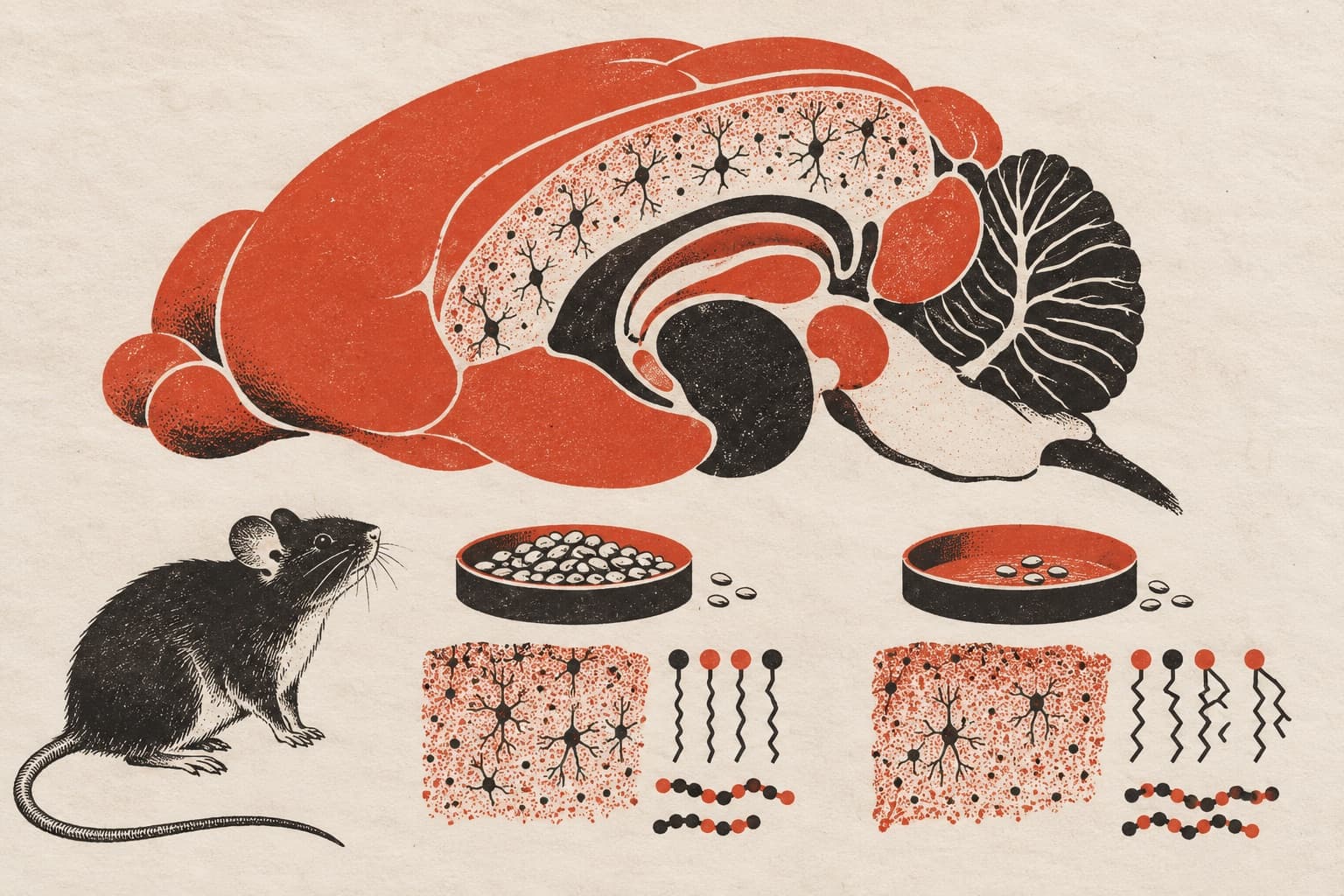
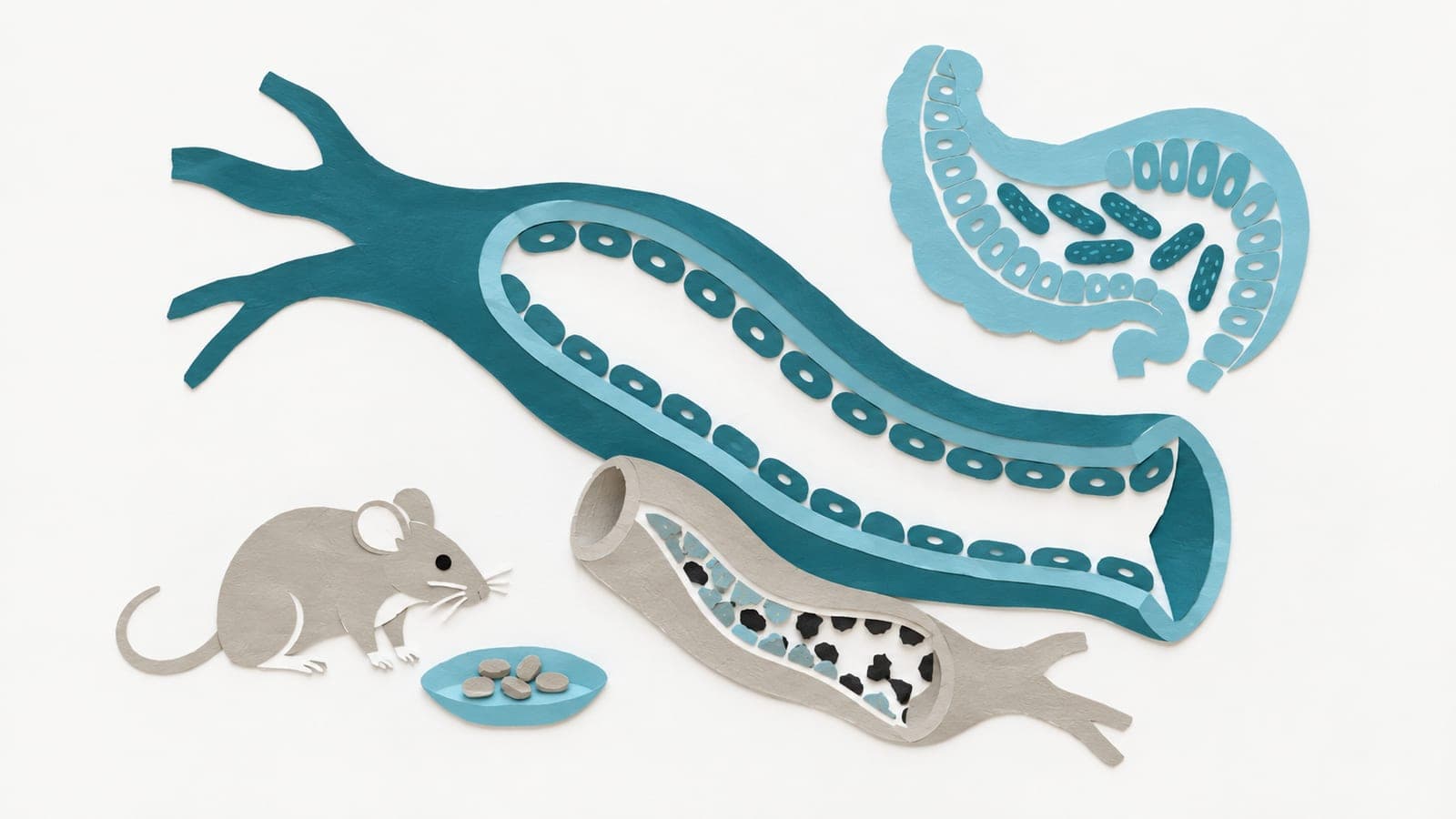
Caloric restriction (CR) improves metabolic health and reduces the risk of aging-related vascular diseases. However, the systematic metabolic reprogramming associated with CR remains unclear. To address this, we performed multi-tissue metabolomic profiling (liver, heart, and serum) in apolipoprotein E-deficient (ApoE-/-) mice subjected to CR. Metabolomic analyses of the multiple tissues revealed that glycerophospholipid metabolism pathway was consistently modulated by CR. To explore its relevance in vascular diseases, we performed serum metabolomic profiling in an abdominal aortic aneurysm (AAA) model induced by angiotensin Ⅱ (AngⅡ) infusion in ApoE-/- mice. The level of lysophosphatidylethanolamine (LPE) (16:0/0:0), a metabolite in the glycerophospholipid metabolism pathway, was elevated during AAA progression and significantly reduced by CR intervention, suggesting its potential as a vascular disease risk factor. Notably, glycerophospholipid metabolism and LPE (16:0) were significantly associated with vascular diseases and aging-related indicators in human multi-omics data, including public transcriptomic and lipidomic, and our serum multi-omics profiling of 76 healthy aged individuals. Collectively, our findings establish glycerophospholipid metabolism and LPE (16:0) as systemic signatures of CR with diagnostic potential. They highlight a crucial link between systemic metabolism and vascular remodeling and remodeling-associated vascular diseases, while also functioning as indicators of systemic aging.
The paper
Chinese Academy of Medical Sciences & Peking Union Medical College
Genomics, Proteomics & Bioinformatics, 21 Apr 2026, Open access