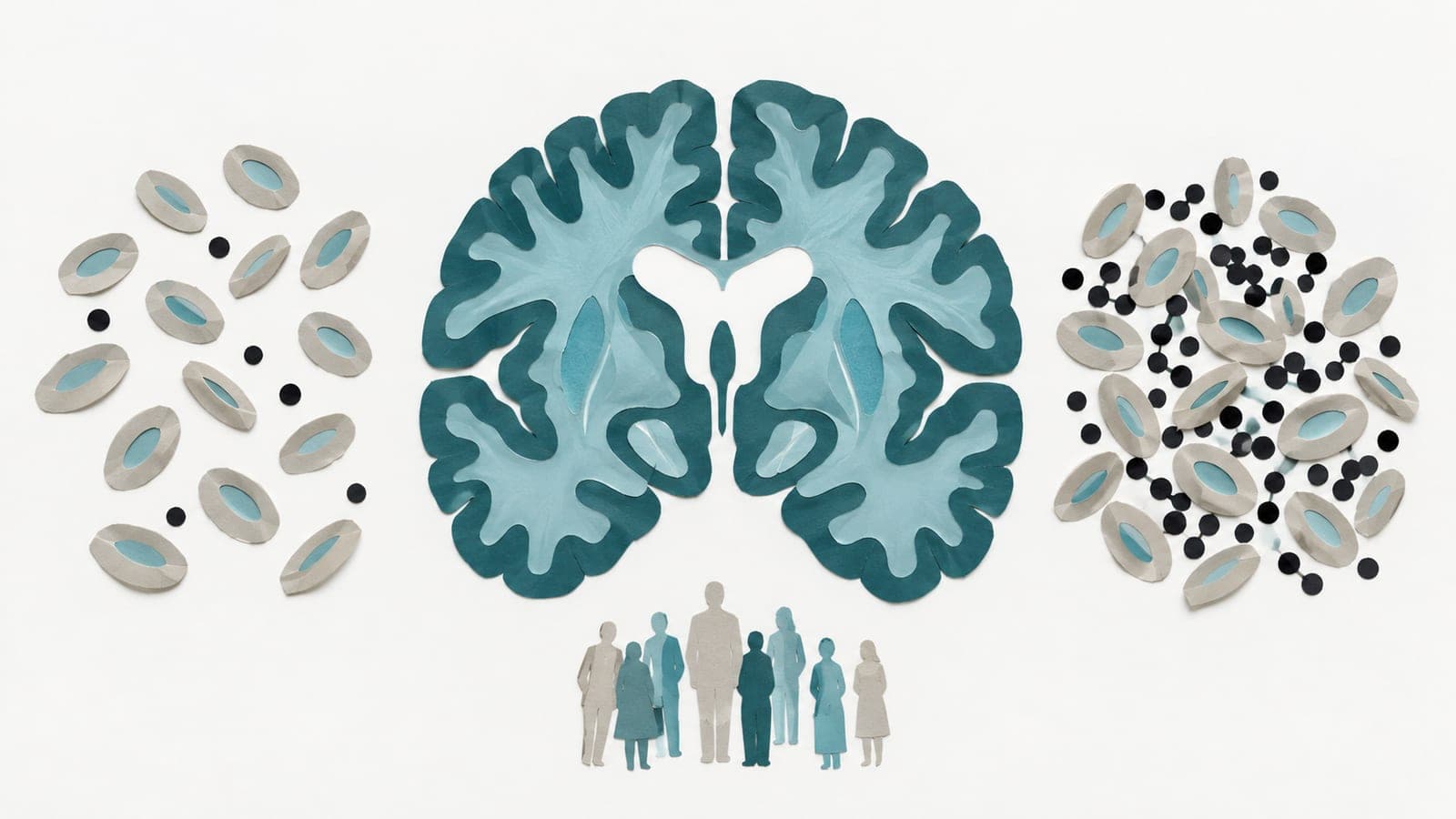
Do all components of psychological well-being predict cognitive function?
9 years
Abstract
OBJECTIVES: Sense of purpose, a component of psychological well-being, has been consistently associated with higher cognitive function and less cognitive decline. However, less is known about associations between the other 5 components of psychological well-being and cognitive outcomes. To address this gap, the current research examined which components of psychological well-being are most strongly associated with cognitive function. METHODS: A total of 3,742 participants from the Midlife in the United States study were included in analyses (MAge = 56.04, SD = 12.26). Participants completed the Ryff Psychological Well-being Scales (1989) and the Brief Test of Adult Cognition. Multiple regression analyses were used to examine cross-sectional and prospective associations between psychological well-being components and cognitive function. RESULTS: All 6 components of psychological well-being were significantly and positively associated with cognition cross-sectionally (βs = 0.07-0.19), with personal growth and sense of purpose being most strongly associated with cognitive function. Moreover, higher levels of sense of purpose, personal growth, environmental mastery, and self-acceptance were associated with better cognitive function at the 9-year follow-up when controlling for baseline cognitive function (β = 0.03-0.05). No significant differences in the strength of associations across psychological well-being components emerged prospectively. DISCUSSION: These findings extend past research by demonstrating that, in addition to a sense of purpose, other components of psychological well-being, especially personal growth, are also associated with cognitive function. These well-being components should be assessed as possible protective factors for cognitive function across the lifespan.
The paper
Washington University in St. Louis
The Journals of Gerontology, Series B, 22 Apr 2026, Open access