Social well-being linked to slower estimated biological aging
A prospective observational study of 213 adults used single brain scans to estimate aging pace and found the link persisted after health and lifestyle adjustments.
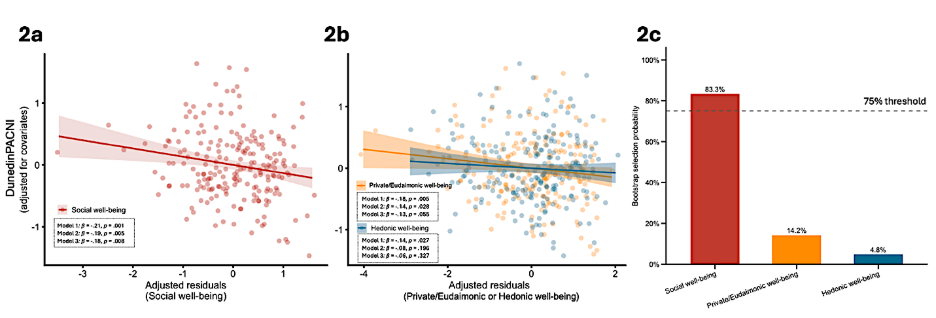
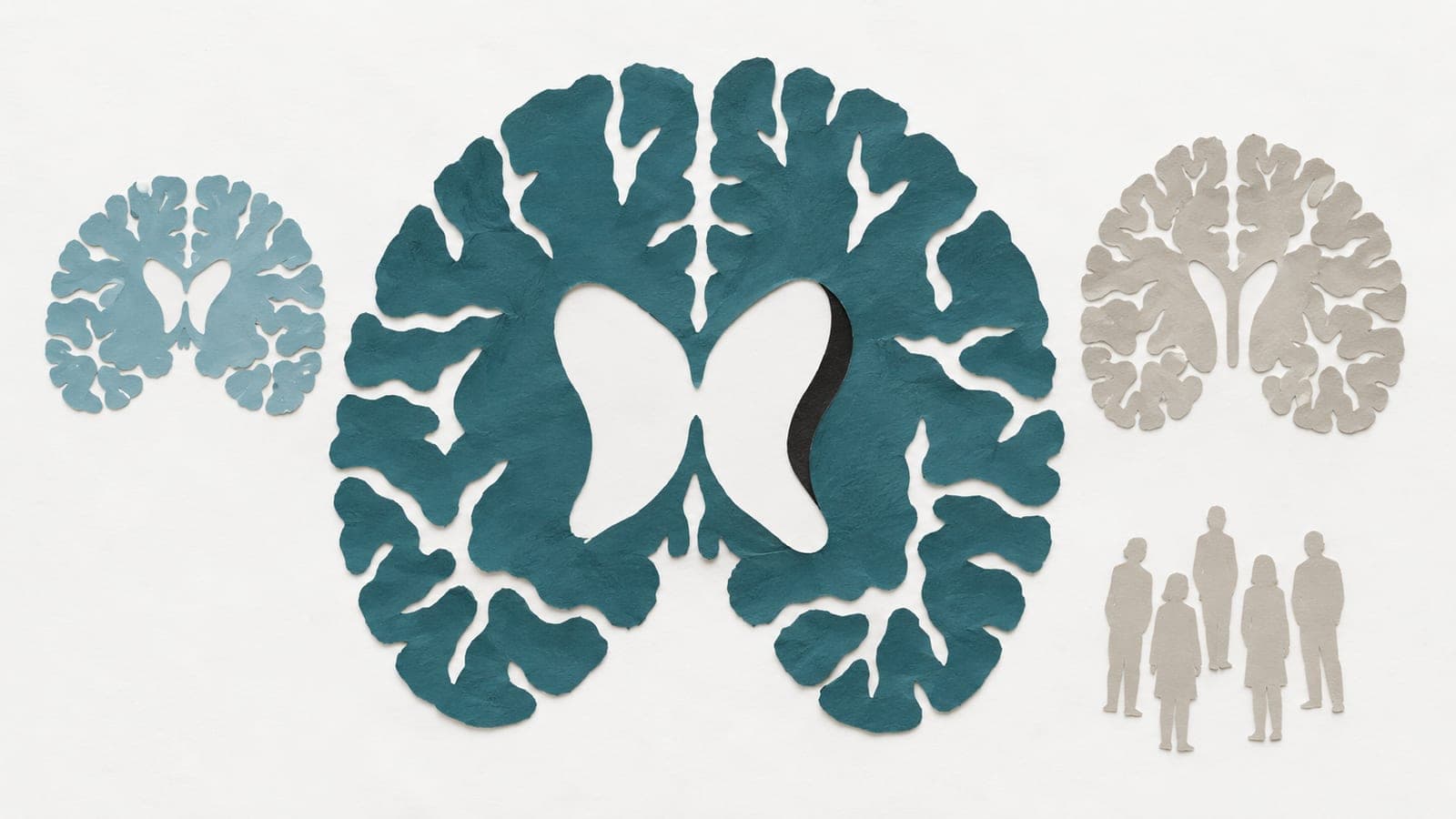
Researchers analysed data from 213 adults, with an average age of 56.2 years, in the Midlife in the United States study. This prospective observational study examined whether different dimensions of well-being were associated with a later estimate of biological aging pace. The estimate came from a measure derived from a single brain scan.
Social well-being remained linked to slower estimated aging after researchers accounted for demographic, health, lifestyle and social factors. Links with other well-being dimensions were no longer statistically significant after accounting for health and lifestyle. An additional analysis identified social well-being as the most stable predictor among the dimensions studied. The researchers also found an indirect link between community volunteering and slower estimated aging through social well-being.
Why it matters
Distinguishing different aspects of well-being may help researchers investigate the social and psychological processes supporting healthy aging. Brain-scan estimates may also extend aging research to cohorts without biological samples.
Caveats
This observational study cannot establish that social well-being slows aging, and aging pace was estimated using a brain-scan marker. The findings are from a preprint that has not been peer-reviewed.
- Social well-being
- Community volunteering
- Eudaimonic well-being
- DunedinPACNI
- Pace of biological aging
- Humans
The paper
Georgetown University
Research Square, 11 Oct 2026, Preprint, not peer-reviewed