pH-responsive dietary fiber microspheres with programmed structural evolution in the gastrointestinal tract ameliorate constipation in ageing rats
Abstract
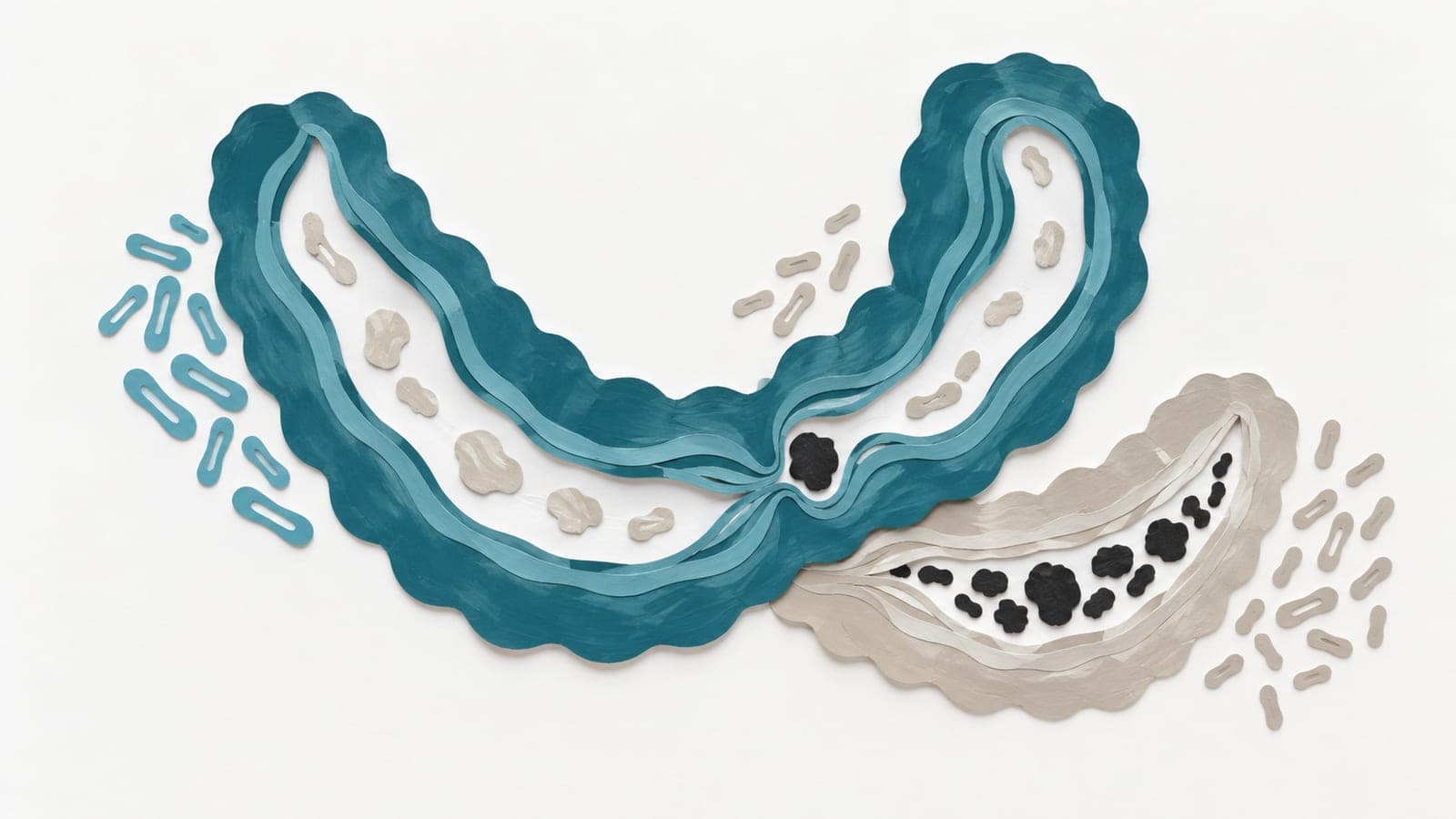
The structural transformation of dietary fiber within the gastrointestinal tract critically determines its efficacy in alleviating functional constipation (FC). This study explored the structural evolution of pH-responsive burdock root dietary fiber microspheres (BDFRM) in gastrointestinal environments and anti-constipation molecular mechanisms. In vitro digestion showed BDFRM maintained structural integrity in simulated gastric fluid but exhibited targeted swelling in simulated intestinal fluid (expansibility is 13.52 ± 0.10 mL/g), with a swelling ratio 2-fold higher than in SGF (expansibility is 6.82 ± 0.09 mL/g), and demonstrated superior water-holding capacity in simulated colonic fluid. In loperamide-induced constipated ageing rats, BDFRM significantly improved fecal parameters including weight-to-body ratio and moisture, accelerated intestinal transit, and shortened first black stool time (p < 0.05). It increased the concentration of Gas and MTL, inhibited VIP in serum, and enhanced the mRNA levels of c-Kit and ACh in intestine tissue. Meanwhile, BDFRM repaired mucosal injury, suppressed the mRNA levels of inflammatory factors, upregulated the mRNA expression level of tight junction proteins, and activated the Nrf2 pathway. Thus, BDFRM's site-specific structural changes multidimensionally enhance intestinal peristalsis. This study provides a promising targeted dietary strategy for managing FC in the ageing population and a practical approach for developing functional foods from dietary fiber.
The paper
Jiangsu Academy of Agricultural Sciences
International Journal of Biological Macromolecules, 16 Apr 2026