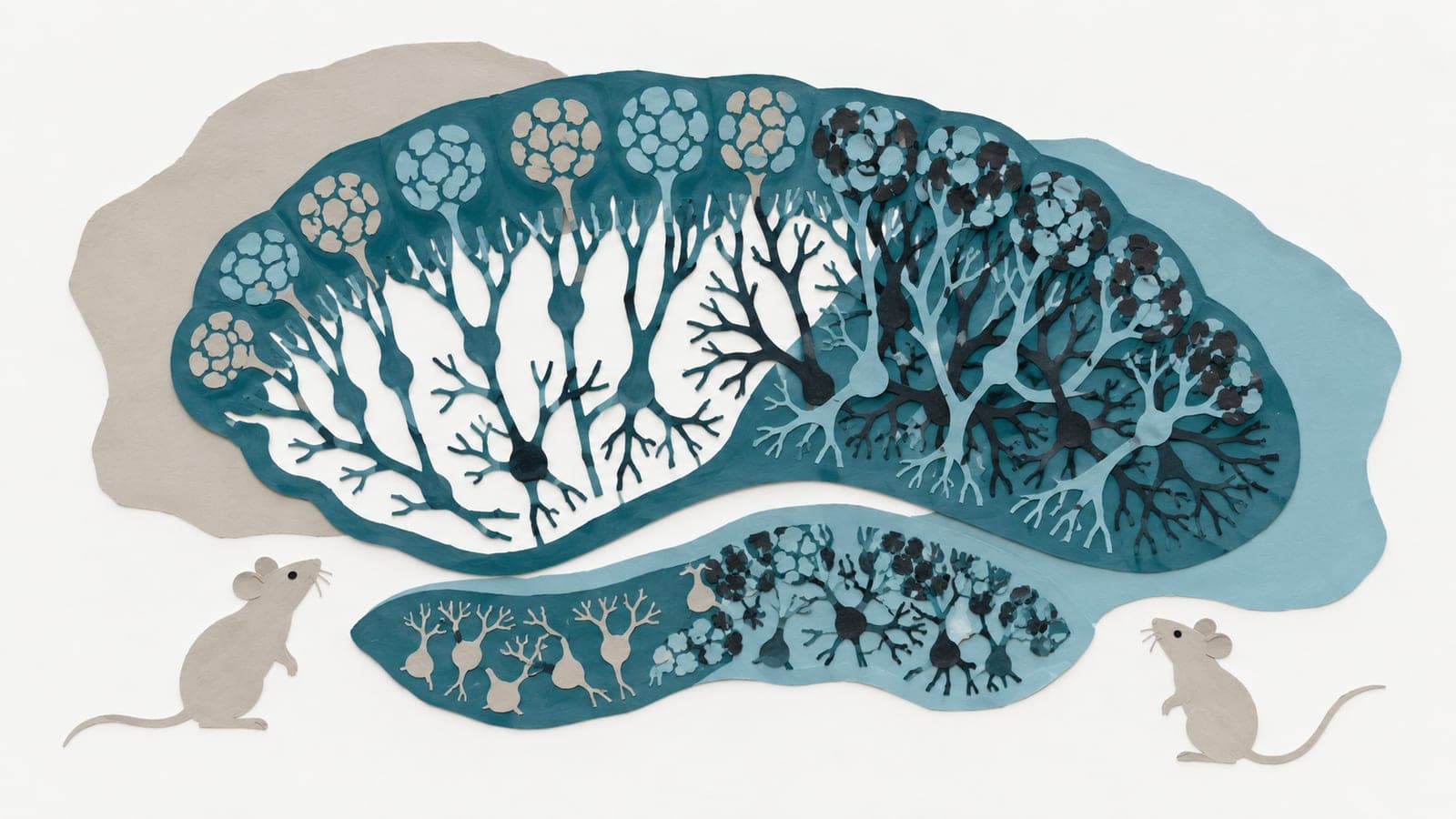
Parvalbumin neurons in inferior colliculus mediate maladaptive inhibitory compensation in age-related hearing loss
Abstract
BACKGROUND: Age-related hearing loss (ARHL) may be caused by the abnormal excitability of inferior colliculus (IC) neurons, and this mechanism may be related to the inhibitory compensation of parvalbumin (PV) neurons; however, its specific mechanism remains unclear. This study focused on PV neurons and investigated the inhibitory compensatory mechanism in the IC during ARHL. METHODS: We investigated hearing changes in C57BL/6J mice from young to middle-aged using auditory brainstem response and acoustic startle reflex tests, followed by analysis of cluster activity in excitatory and inhibitory neurons in the IC, as well as assessment of mature and PV neurons. Chemogenetic modulation of PV neurons was employed to observe changes in mouse hearing. RESULTS: Our study found that in C57BL/6J mice with ARHL, inhibitory neurons in the IC showed a time-delayed increase in auditory-evoked response activity compared to excitatory neurons. Chemogenetic inhibition of PV neurons in the IC enhanced behavioral responses to high-frequency sounds in mice, indicating that PV-mediated maladaptive compensation plays a critical regulatory role in auditory processing. CONCLUSION: These findings suggest that IC in ARHL compensates for central hyperexcitability caused by hearing loss by recruiting PV neurons. This suggests that PV neurons in the IC can serve as potential therapeutic targets for ARHL, providing a theoretical basis for developing targeted interventions.
- PVALB
- Synaptic transmission
- Age-related hearing loss
- Acoustic startle reflex
- Auditory brainstem response
- Mice
The paper
Xihua University; Army Medical University
Neurobiology of Disease, 10 Apr 2026, Open access