Mesothelin/Mucin 16 Signaling in Activated Portal Fibroblasts Drives the Development of Cholestatic Fibrosis and Hepatocellular Carcinoma in Aged Female Multidrug Resistance Protein 2 Knockout Mice
Abstract
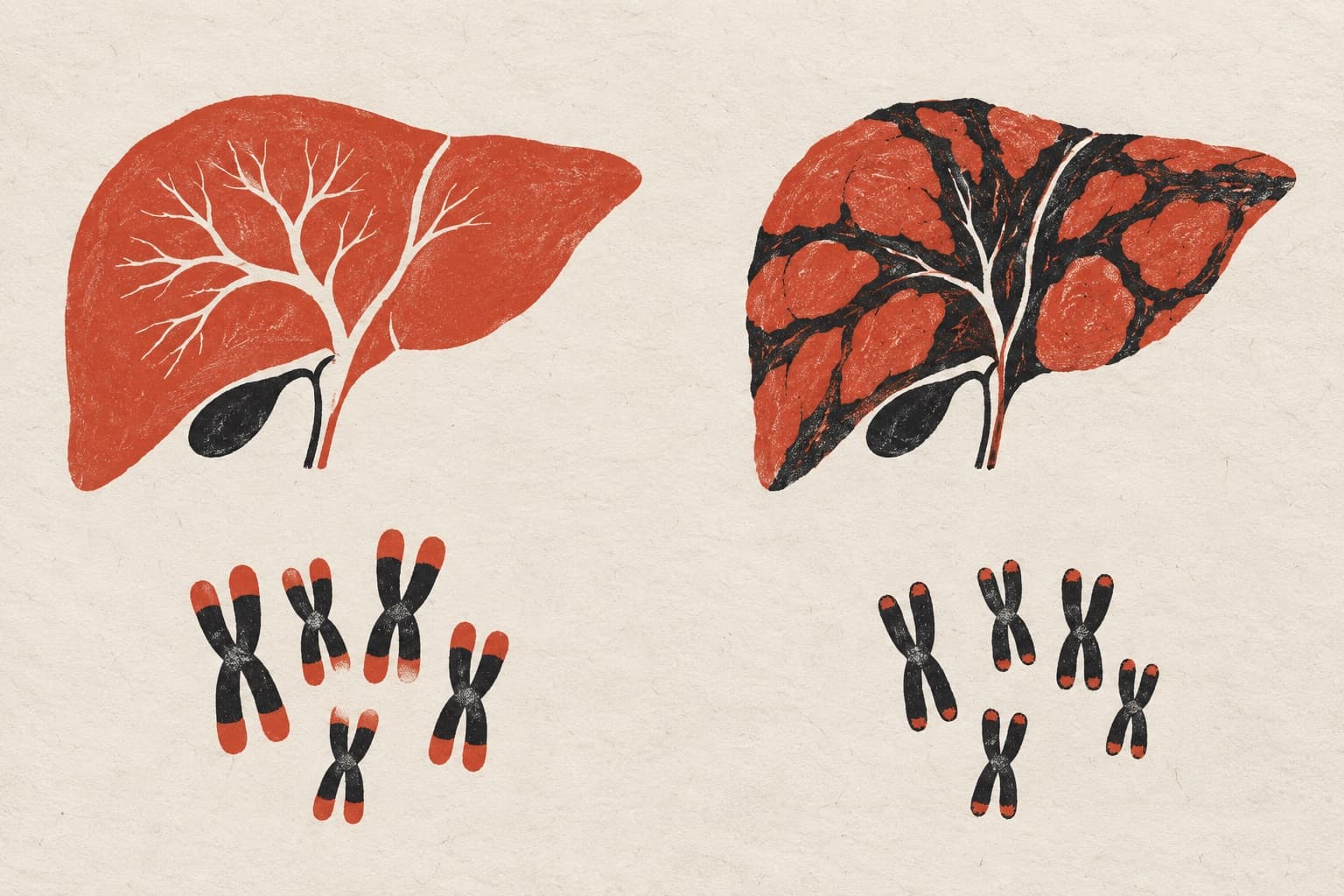
BACKGROUND & AIMS: The contribution of activated hepatic stellate cells (aHSCs) to cholestatic fibrosis and cancer is well-documented, but the role of portal fibroblasts (PFs), and especially mesothelin (Msln)-mucin 16 (Muc16)- Thy-1 cell surface antigen (Thy-1) signaling in activated portal fibroblasts (aPFs), is unknown. METHODS: The role of aPFs/mesenchymal cells in the pathogenesis of cholestatic fibrosis and hepatocellular carcinoma (HCC) was studied in aged (16 months old) multidrug resistance protein 2 knockout (Mdr2-/-) mice, which mimic primary biliary cholangitis with biliary fibrosis. RESULTS: Aged female Mdr2-/- mice were more susceptible to cholestatic fibrosis and inflammation and developed 4-fold more adenomas and GPC3⁺SOX9⁺AFP⁺ HCC than age-matched male littermates. Deletion of Msln or Muc16 ameliorated cholestatic fibrosis, inflammation and HCC in Mdr2-/-Msln-/- and Mdr2-/-Muc16-/- mice, whereas Mdr2-/- and Mdr2-/-Thy-1-/- mice exhibited similar phenotypes and developed severe fibrosis and HCC. Aged Mdr2-/-Msln-/- and Mdr2-/-Muc16-/- mice developed fewer HCCs and of smaller sizes. Ductular proliferation and hepatocyte and cholangiocyte senescence were suppressed in Mdr2-/-Msln-/- and Mdr2-/-Muc16-/- mice, whereas hepatocyte regeneration was markedly improved. Msln- and Muc16-deficient aPFs exhibited a less fibrogenic and inflammatory phenotype, and downregulated expression of Col1a2, Col3a1, Tgfβ1, MMP3, Cxcl9, Clcl7, Lgals1, and MMP2/3. The lack of MMP3 in Msln-/- aPFs was linked to increased hepatocyte proliferation. Based on in vitro studies, MMP3-mediated shedding of hepatic HGFR (c-Met) was identified as one of the mechanisms by which aPFs suppress HGF-c-Met-induced phosphorylation of AKT, ERK, p38, resulting in proliferation of primary human hepatocytes. In turn, proliferation of MMP3-stimulated human hepatocytes was restored in the presence of MMP3 inhibitor. CONCLUSIONS: These findings demonstrate that aPFs mediate the crosstalk between cholangiocytes and hepatocytes, regulate hepatocyte functions, and that Msln-Muc16 signaling in aPFs is pathogenic for cholestatic fibrosis and HCC. Msln and Muc16 may become novel targets for anti-fibrotic therapy and patients with HCC and sclerosis cholangitis.
The paper
University of California San Diego
Cellular and Molecular Gastroenterology and Hepatology, 11 Apr 2026, Open access