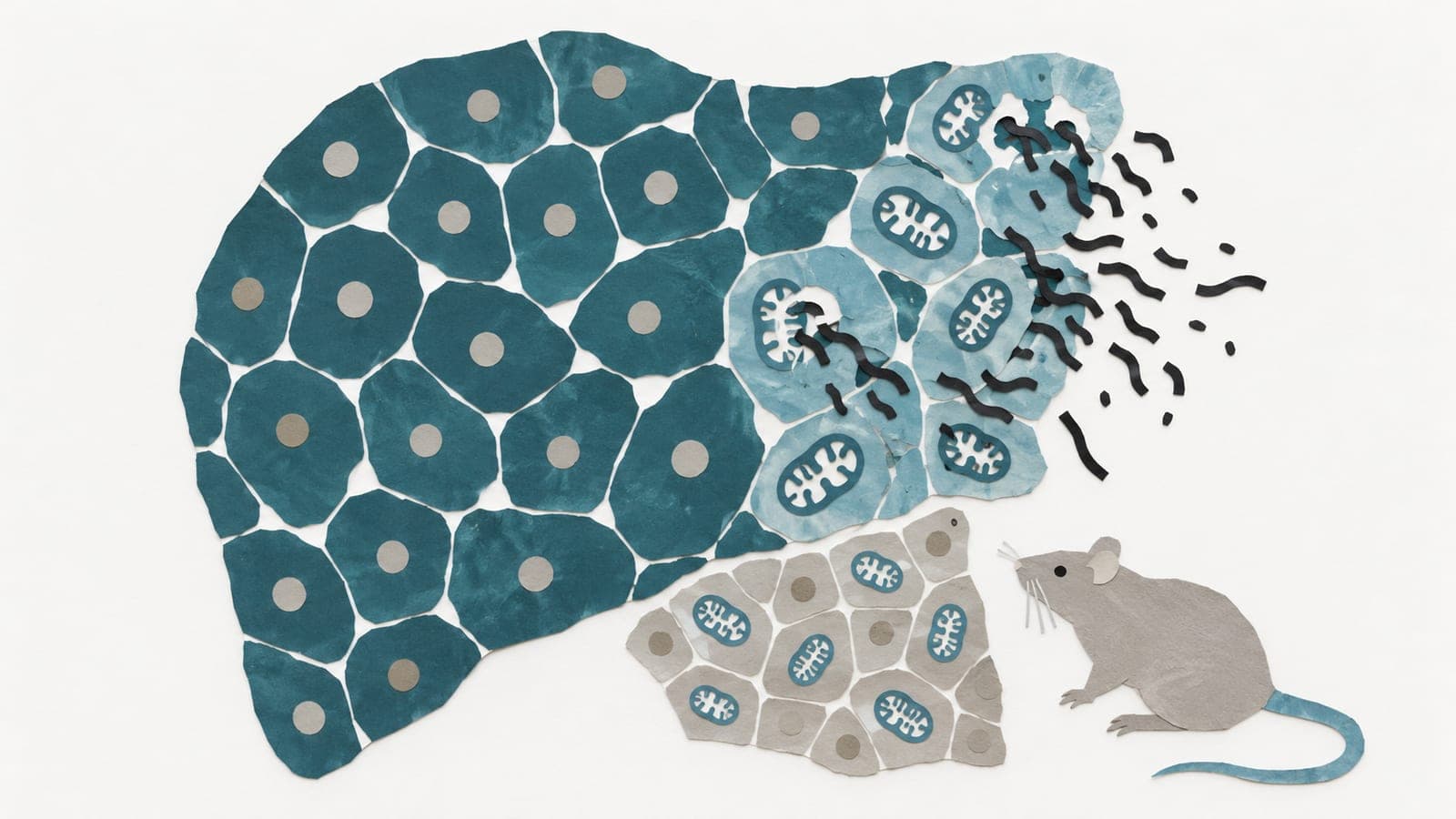
Fisetin promotes liver regeneration by inducing β-catenin-mediated inhibition of p53 and suppression of TGF-β
Abstract
Partial hepatectomy (PHx) is frequently done for the repair of traumatic liver injury, tumor resection, and donation. The regenerative ability of the residual liver impacts mortality and morbidity. Fisetin is an antioxidant flavonoid that was found to target β-catenin, inducing regeneration in cardiac, nervous, bony tissues, and skin. This study assesses the impact of fisetin on liver regeneration following major PHx. Twenty-four rats were assigned to four groups: sham, fisetin control, 70% PHx, and PHx + Fisetin (10 mg/kg/day) for four days prior to surgery, and two days after surgery. Animals were sacrificed two days following PHx. Serum liver enzymes, AST, ALT, liver oxidative markers, GSH, and MDA, were measured. Immunohistochemical expression of hepatic PCNA, Cyclin D1 (cell proliferation marker), and β-catenin (liver regeneration mediator), as well as mRNA expression for hepatic P53 (senescence marker), TGF-β (regeneration stop inducer), and VEGF (angiogenesis marker), was performed. Fisetin boosted hepatectomy-induced hepatic regeneration, significantly increased relative liver weight, hepatocyte mitotic index, liver PCNA, cyclin D1, and β-catenin, reduced hepatic histopathological injury, serum AST and ALT levels, and liver MDA levels, and increased liver GSH, demonstrating antioxidant status. Fisetin reduced PHx-induced increases in p53, indicating suppression of cell senescence, and in TGF-β, demonstrating the elimination of TGF-β-mediated termination of liver regeneration; however, fisetin didn't show a significant change in PHx-enhanced angiogenesis, as marked by VEGF expression. Fisetin enhances PHx-induced liver regeneration via upregulating β-catenin and suppressing the P53 senescence pathway and TGF-β signaling.
The paper
Kafrelsheikh University; Mansoura University
Tissue & Cell, 8 Apr 2026