Activation of neurogenesis improves amyloid-β pathology and cognitive function through AMP kinase signaling in Alzheimer's disease model mice
Abstract
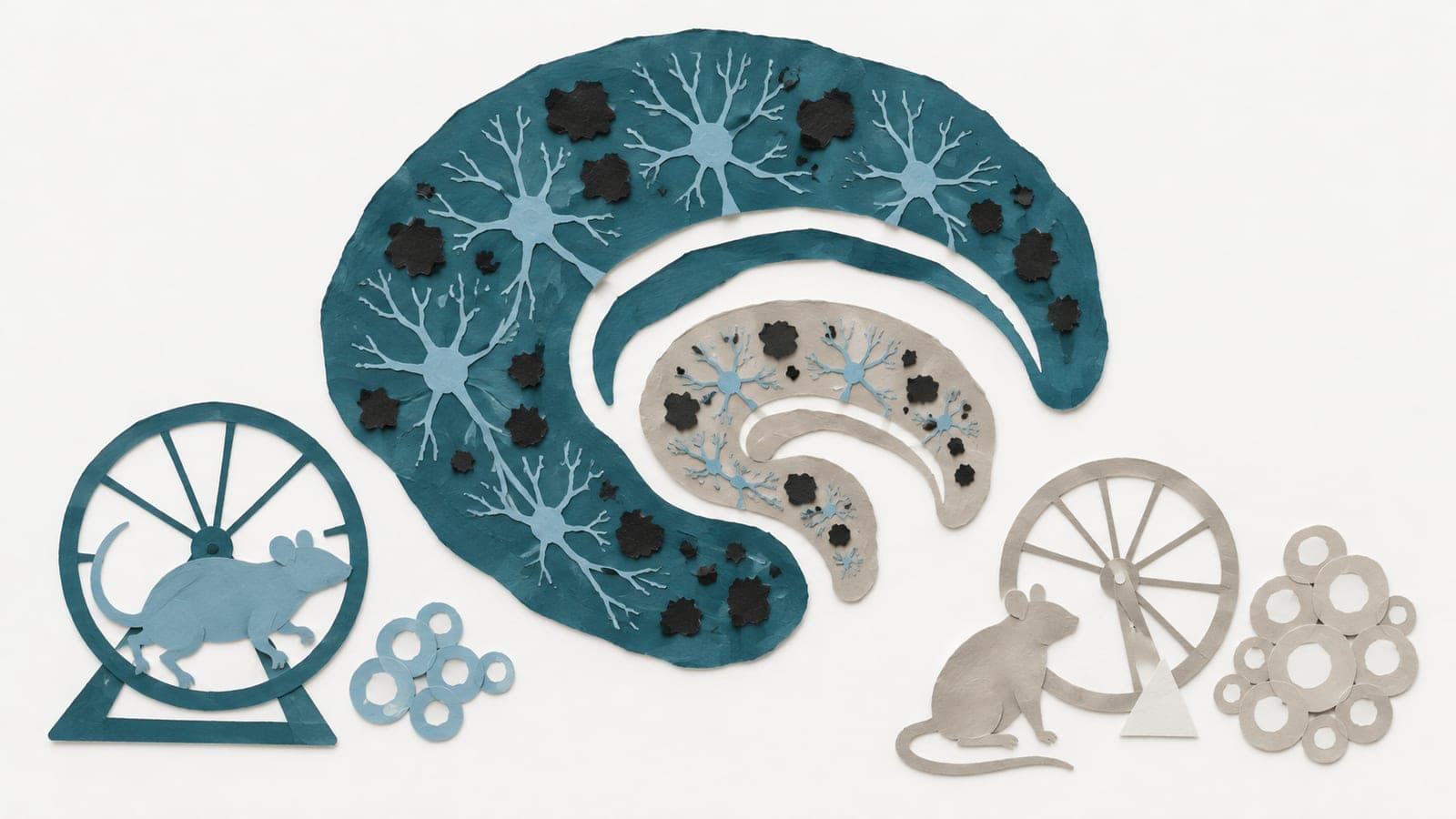
Adult hippocampal neurogenesis declines with aging and in neurological disorders, leading to cognitive impairment. We previously showed that inducing Plagl2 and antagonizing Dyrk1a (iPaD) rejuvenates aged neural stem cells (NSCs), enhancing neurogenesis and cognition in aged mice. Here, we found that NSC-specific iPaD treatment activates neurogenesis, reduces amyloid-β deposition, and improves cognition in Alzheimer's disease model mice. Transcriptomic analysis revealed widespread changes in gene expression in the hippocampus after iPaD treatment. The upregulated genes include those associated with astrocyte and microglial activation involved in amyloid-β clearance, while several genes upregulated in Alzheimer's disease are downregulated. Among the latter genes, knockdown of Prkag2 in the hippocampus most effectively enhances neurogenesis and reduces amyloid-β accumulation. Notably, both iPaD treatment and Prkag2 knockdown activate AMP-activated protein kinase signaling, upregulating genes involved in autophagy and cellular homeostasis. These results suggest that Prkag2 may represent a promising therapeutic target for neurodegenerative diseases, including Alzheimer's disease.
The paper
Kyoto University
Cell Reports, 9 Apr 2026, Open access