Accelerated epigenetic aging as a modifier of homocysteine-associated cognitive decline: Findings from NHANES
Abstract
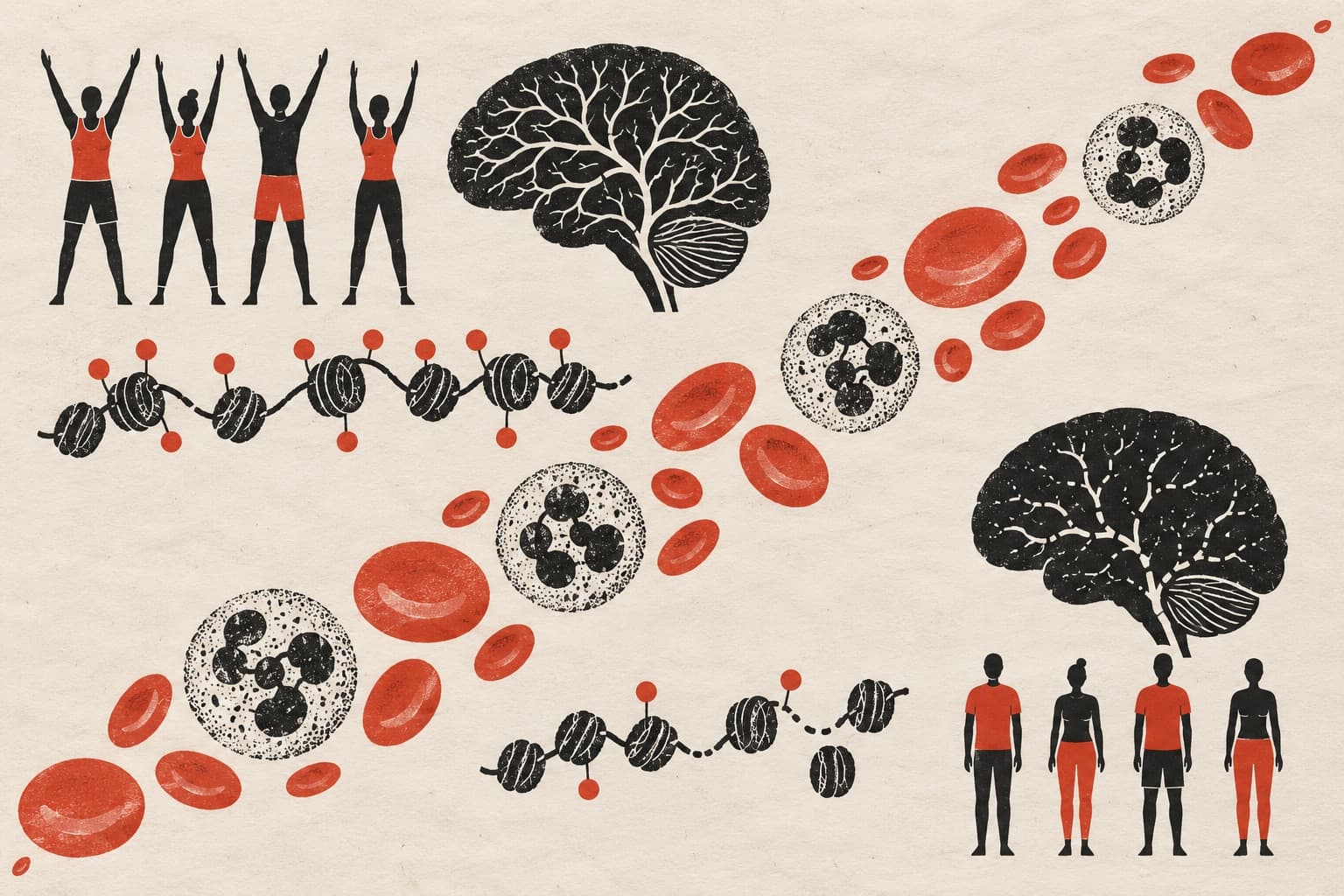
INTRODUCTION: Hyperhomocysteinemia represents a modifiable risk factor for cognitive decline and dementia, yet the role of epigenetic aging mechanisms in mediating this association remain poorly characterized, limiting development of targeted interventions. METHODS: We analyzed 1343 National Health and Nutrition Examination Survey participants aged ≥ 60 years using weighted regression, cubic splines, and mediation analyses. An independent cohort of 2073 participants validated findings. RESULTS: Elevated homocysteine concentrations were significantly associated with reduced cognitive processing speed. GrimAge2 epigenetic age acceleration significantly mediated this association, accounting for 33.3% of the total effect. β2-microglobulin emerged as the strongest mediating component, explaining 38.8% of the homocysteine-cognition relationship. Folate demonstrated cognitive protection through homocysteine reduction (18.7% of total effect) without modulating downstream pathological cascades. CONCLUSION: Epigenetic aging-associated neuroinflammation serves as a key mechanistic link between hyperhomocysteinemia and cognitive decline. The neuroprotective effects of folate are mediated specifically through homocysteine reduction, providing novel mechanistic insights for precision prevention strategies in cognitive aging.
The paper
Hebei Medical University
Alzheimer's & Dementia, Apr 1, 2026, Open access