Rgn couples proliferative EGFR-JAK/STAT signaling and the notch/insulin differentiation-metabolism axis during epithelial repair in Drosophila
Abstract
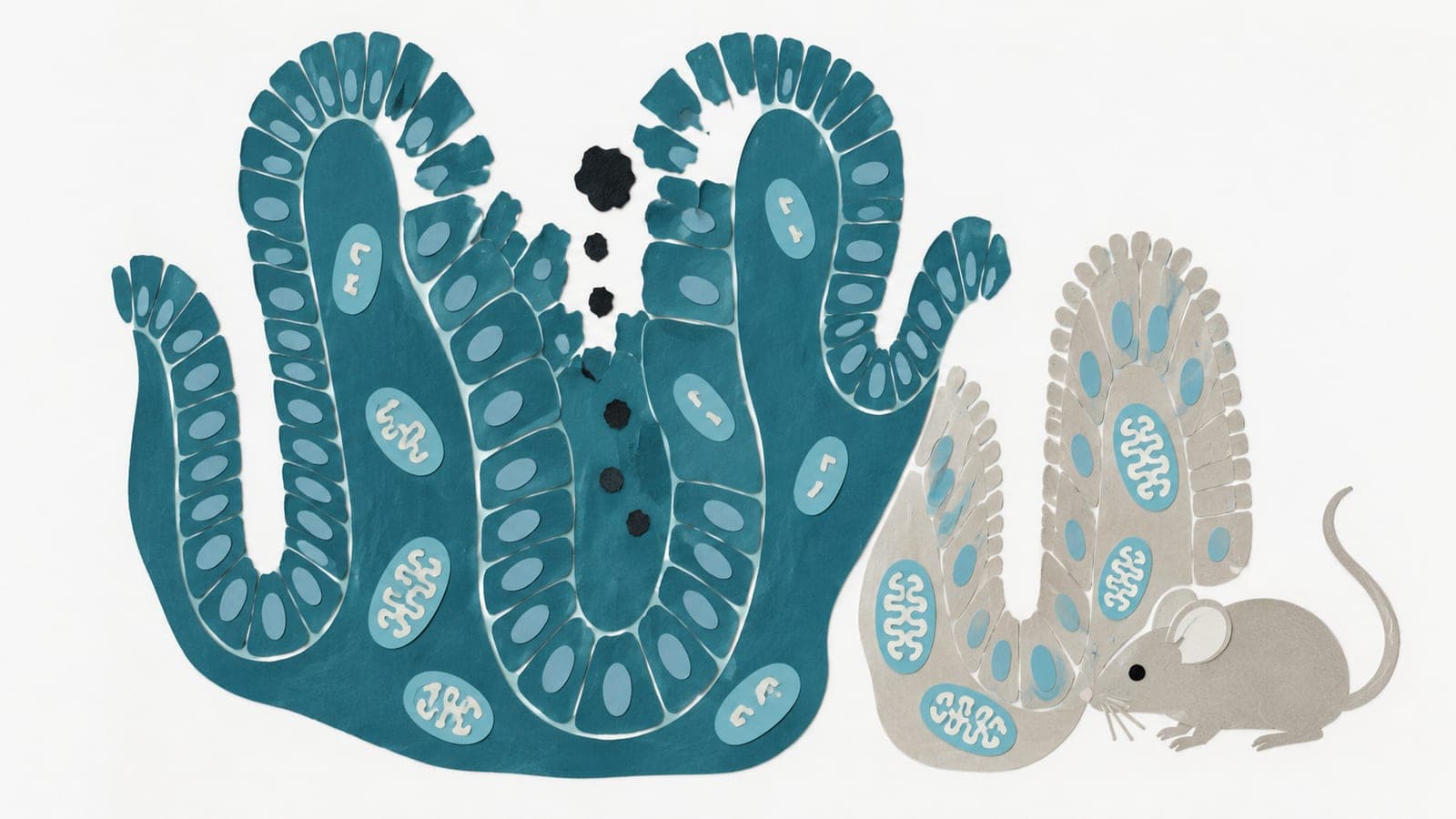
The Regenerating gene (Rgn) family is implicated in mucosal repair and inflammatory disorders, yet its role in synchronizing intestinal stem cell (ISC) proliferation with stress adaptation remains unknown. Using Drosophila genetics, we demonstrate that Rgn deficiency in progenitors disrupts Notch signaling, resulting in the depletion of ISCs and the accumulation of enteroblasts (EBs). This imbalance coincides with insulin/TOR suppression, provoking reactive oxygen species (ROS) accumulation and DNA double-strand breaks. Consequently, CHK2/p53-dependent G2/M arrest and apoptosis drive progenitor loss and intestinal atrophy. Crucially, S6K overexpression rescues ROS accumulation and proliferation defects, and constitutive EGFR or STAT92E activation restores ISC mitotic activity. Rgn serves as a nodal integrator of Notch-driven differentiation, insulin-dependent redox control, and DNA damage surveillance. Its deficiency triggers a conserved degenerative cascade linking metabolic collapse to genomic instability. Our work establishes Drosophila Rgn as a functional analog of human REG proteins in gut regeneration, proposing REG-targeted therapies for inflammatory bowel diseases.
The paper
Northeast Forestry University
Insect Biochemistry and Molecular Biology, 2 Apr 2026
doi.org/10.1016/j.ibmb.2026.104549PubMed 41935796
Corrected, 1 Sep 2026