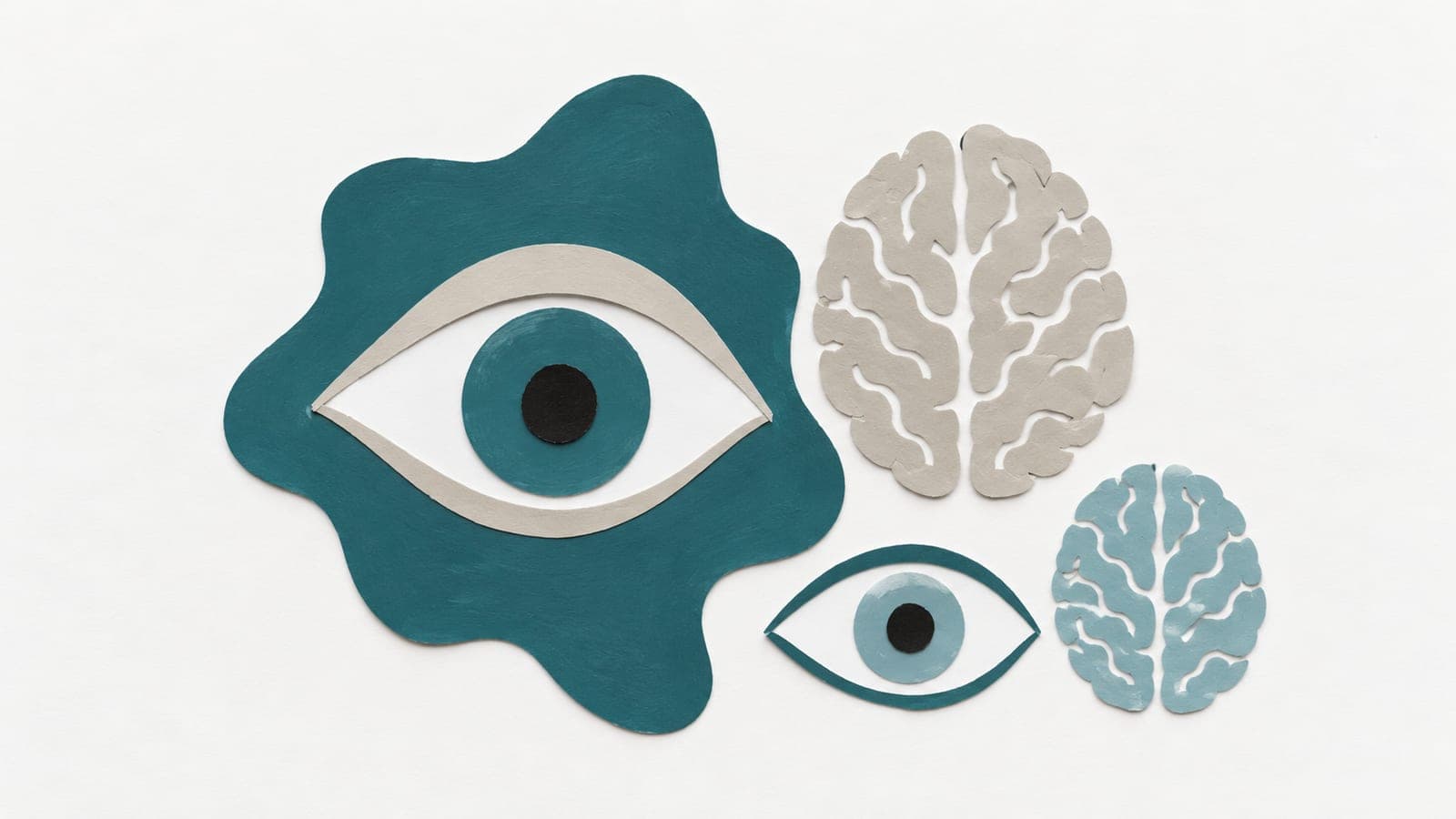
Association between sensory impairment and incident dementia among middle-aged and older Chinese: Findings from the CHARLS cohort study
Abstract
BACKGROUND: Aging is accompanied by increase in sensory impairments (SIs), including vision impairment (VI), hearing impairment (HI), and dual sensory impairment (DSI). However, prospective evidence on this association from nationally representative cohorts in China remains limited. OBJECTIVE: To investigate the association between SIs and incident dementia among Chinese adults. METHODS: From the China Health and Retirement Longitudinal Study, 7664 dementia-free adults aged ≥45 at baseline (2011-2012) were followed up until 2018 to detect incident dementia. VI (near and distance) and HI were assessed based on self-reported vision and hearing capabilities. DSI was defined as having both VI and HI. Dementia was ascertained based on cognitive batteries, informant reports, and the Activity of Daily Living scale. Logistic regression was used to estimate odds ratios (ORs) and 95% confidence intervals (CIs). RESULTS: During the follow-up, 1022 (13.34%) participants developed dementia. Overall, near/distance VI (OR: 1.75 [1.13, 2.72] / 1.93 [1.29, 2.89]) and HI (OR: 3.02 [1.30, 7.02]) were all associated with higher risk of dementia. People with DSI had a significantly higher risk of dementia compared with those without SI or with only one type of SI at baseline (OR: 2.94 [1.27, 2.95]). The associations between SIs/DSI and dementia remained significant among people aged≥60 years. However, only VI was associated with dementia among people aged<60 years. After stratification by residence, the SI-dementia associations were more pronounced among rural participants. CONCLUSIONS: SIs are associated with a higher risk of dementia. Interventions addressing SIs should be included in dementia prevention strategies.
The paper
West China Medical Center of Sichuan University
Journal of Alzheimer's Disease Reports, 1 Jan 2026, Open access