Testicular aging revisited: Current understanding of mechanisms and emerging interventions
Abstract
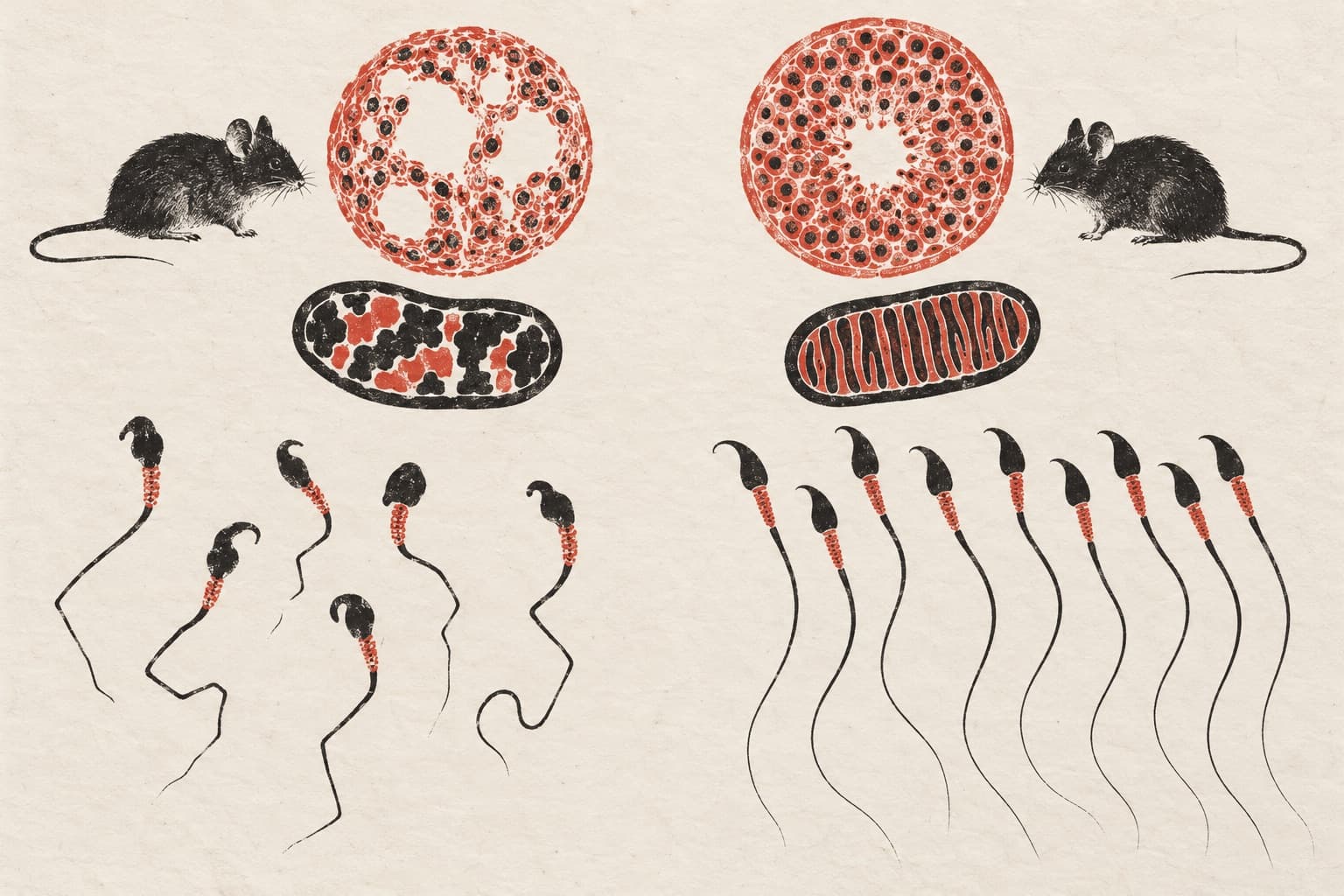
Male reproductive aging is a complex physiological process characterized by progressive deterioration in spermatogenesis, hormonal imbalance, and increased susceptibility to infertility and genetic disorders. This review comprehensively summarizes the pivotal molecular mechanisms underlying testicular aging, with emphasis on mitochondrial dysfunction, oxidative stress, DNA damage, autophagy impairment, chronic inflammation, cellular senescence, and dysregulated apoptosis. Accumulating evidence indicates that age-related declines in Sertoli and Leydig cell function disrupt the blood-testis barrier (BTB), impair steroidogenesis, and compromise germ cell support, ultimately leading to reduced sperm quantity and quality. Furthermore, we highlight emerging therapeutic strategies targeting these pathways, including antioxidant agents, DNA repair enhancers, autophagy modulators, and anti-inflammatory compounds. This review provides a mechanistic framework for understanding male reproductive aging and identifies promising targets for intervention to delay testicular aging and preserve fertility in aging men.
The paper
College of Animal Science and Technology & College of Veterinary Medicine of Zhejiang A&F University
Ageing Research Reviews, 24 Mar 2026