Drift of positional identity drives reproductive aging in a long-lived regenerative animal
Abstract
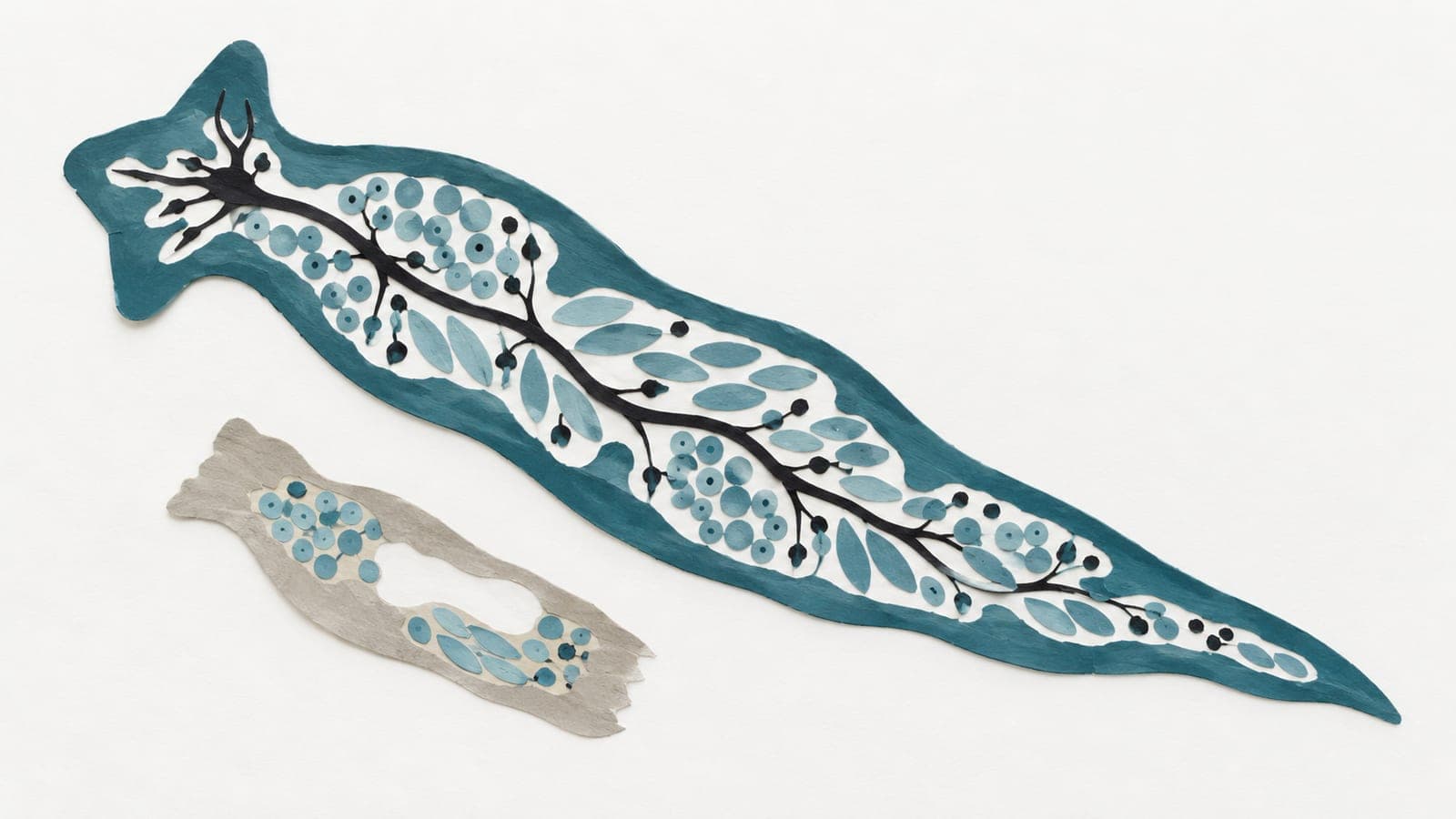
Most animals experience irreversibly declining health with advancing age, in part due to limitations in cell turnover and the accumulation of damage. The highly regenerative planarian Schmidtea mediterranea has abundant pluripotent stem cells that drive continuous cell turnover, yet it experiences an age-related loss of fertility, which can be restored through regeneration. We find that the source of planarian age-related infertility lies in the female reproductive system, accompanied by the formation of posterior ectopic ovaries and disrupted accessory reproductive structures, which are restored during regeneration. We further observe that the Notum/Wnt signaling gradient, which determines anterior-posterior polarity in planarians, is shifted posteriorly with age and that manipulating this gradient by RNAi was able to slow down or accelerate reproductive aging. These results indicate that in addition to a healthy stem cell pool, tissue polarity must be maintained to mitigate age-related decline and that resetting positional information could be a promising mechanism to promote tissue rejuvenation.