Close kin availability and mortality among older adults in Brazil
Abstract
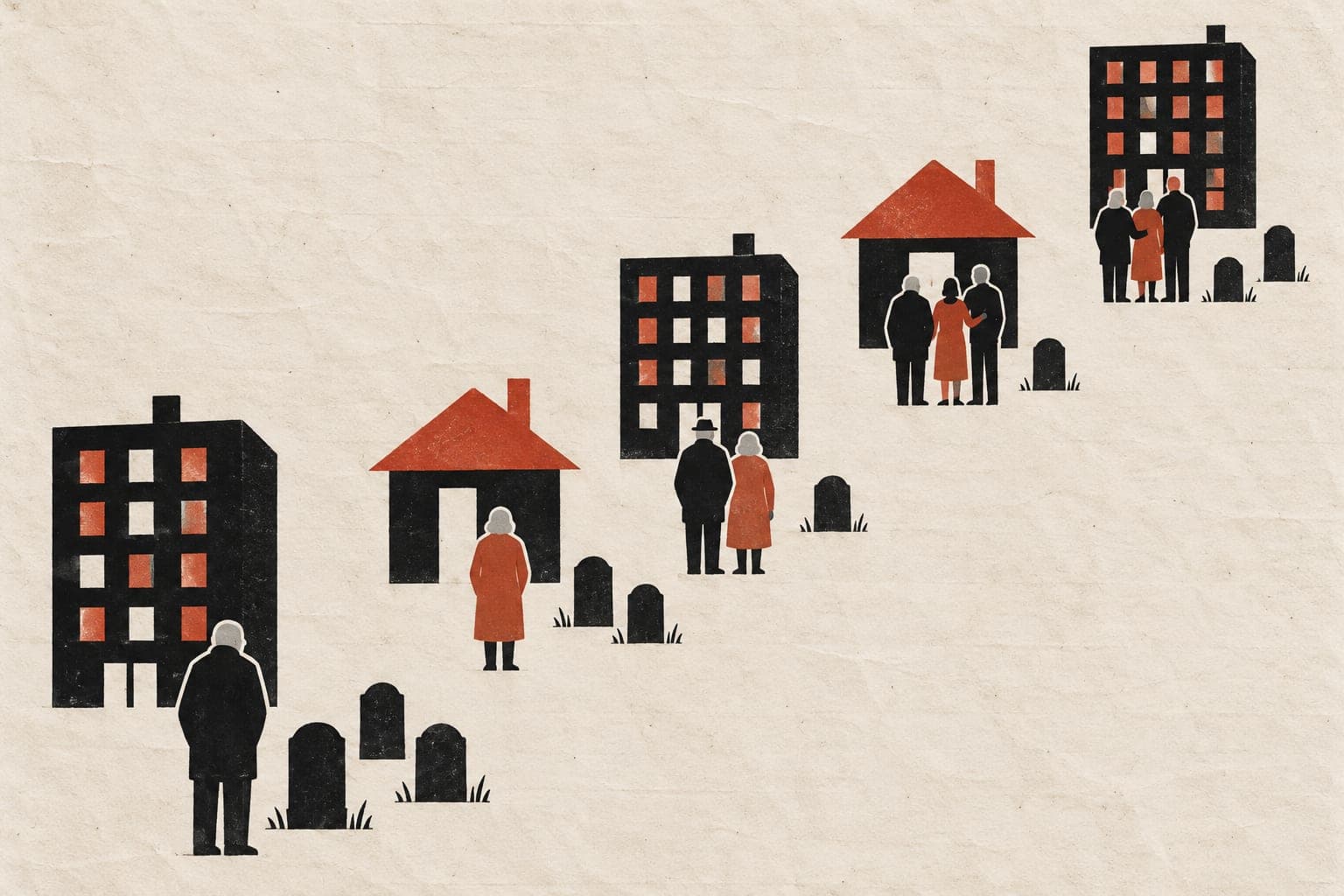
Brazil is rapidly aging with limited welfare infrastructure to support healthy aging, making spouses and adult children among the primary sources of support. Declining fertility and marital transitions may threaten older adults' health, raising a critical question: Are there gender differences in older Brazilians' mortality risks by partnership and parenthood status? We used baseline data from the Brazilian Longitudinal Study of Aging (ELSI-Brazil) of adults 50 and older (2015-2016), including 9412 participants with deaths linked to Brazil's Mortality Information System. Cox proportional hazard models assessed mortality by close kin availability: (1) partnered with children, (2) partnered childless, (3) unpartnered with children, and (4) unpartnered and childless, adjusting for demographic, early-life conditions, health, and social factors. For both men and women, lacking both traditional family ties presents the highest mortality risks, but for men, having children and lacking a partner also elevate mortality risks. We discuss these findings in the context of demographic and social changes in the availability of close kin and the potential opportunities to enhance survival among older adults in Brazil.
The paper
University of Rhode Island; Universidade Estadual de Campinas (UNICAMP)
Social Science & Medicine, 11 Mar 2026