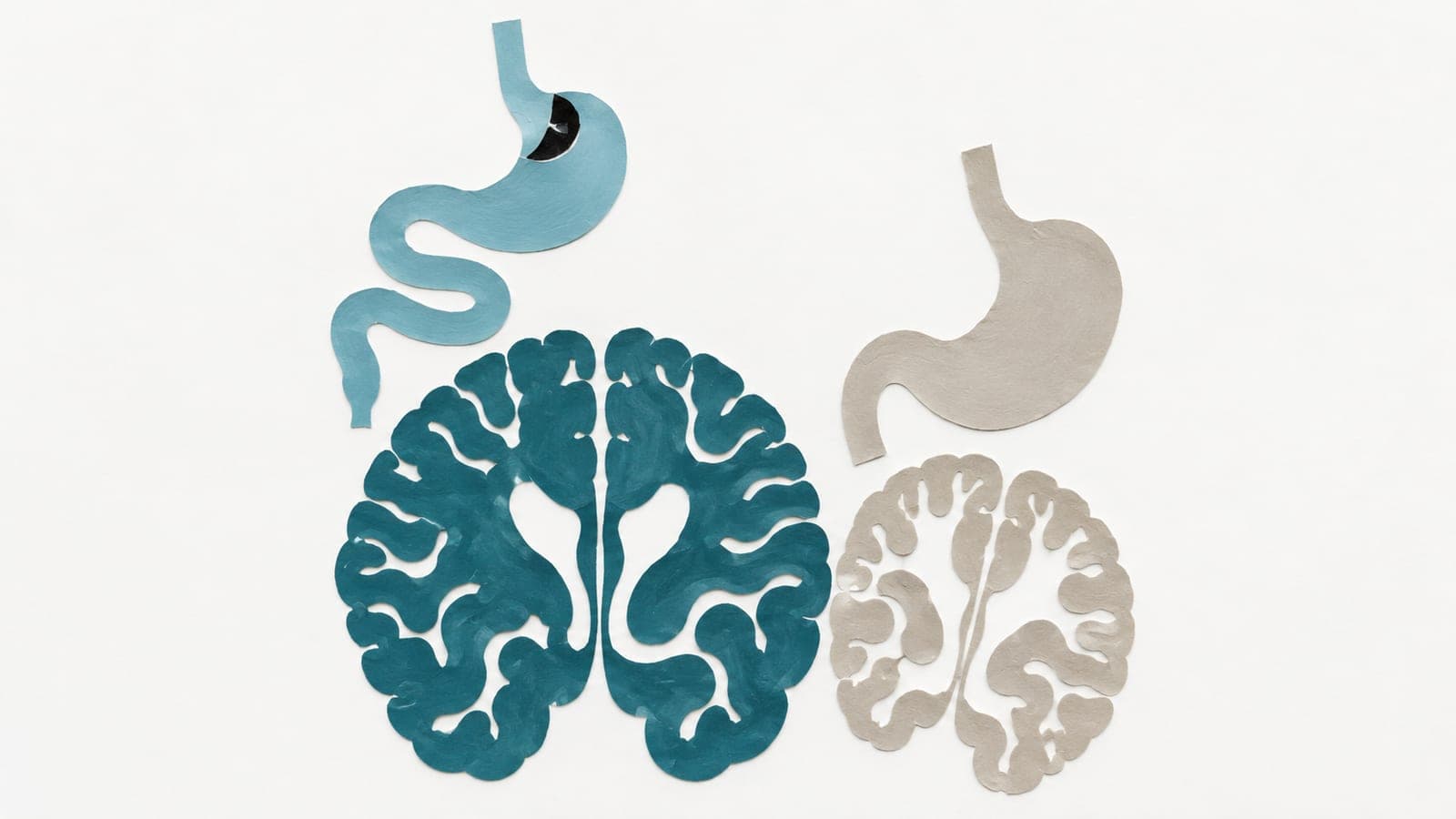
Symptom-based indicators of autonomic dysfunction and their bidirectional associations with Parkinson's disease incidence and adverse outcomes
Abstract
BACKGROUND: Symptom-based indicators suggestive of autonomic dysfunction are common but underrecognized in Parkinson's disease (PD), with potential implications as a biomarker of aging for early detection and prognosis. We aimed to examine the associations between autonomic dysfunction and PD in a large, population-based cohort. METHODS: We analyzed 374 657 UK Biobank participants who were free of PD at baseline. Autonomic symptoms-including orthostatic hypotension, constipation, urinary and sexual dysfunction, hyperhidrosis, and other autonomic disorders-were identified via hospital records. Incident PD and subsequent outcomes, including dementia and all-cause mortality, were tracked through June 2023. Cox models estimated hazard ratios for PD and adverse outcomes, and conditional logistic regression assessed the temporal trajectory of autonomic dysfunction relative to PD diagnosis. RESULTS: Over a median 14.1-year follow-up, 2568 participants developed PD. Orthostatic hypotension (HR: 2.91; 95% CI: 1.39-6.13), constipation (HR: 1.63; 95% CI: 1.19-2.24), urinary dysfunction (HR: 1.45; 95% CI: 1.04-2.02), and sexual dysfunction (HR: 3.56; 95% CI: 1.60-7.95) independently predicted PD risk. Prediagnostic and postdiagnostic autonomic dysfunction was associated with a higher risk of PD dementia and mortality. Autonomic dysfunction was detectable over 10 years before PD diagnosis (OR: 4.46; 95% CI: 3.76-5.29), with the strongest association observed within 5 years after PD onset (OR: 8.59; 95% CI: 7.58-9.74). CONCLUSIONS: Symptom-based indicators suggestive of autonomic dysfunction serve as early clinical signals and robust prognostic markers in PD, highlighting their potential utility for early risk stratification and long-term patient management in large population-based settings.
The paper
Sichuan University
The Journals of Gerontology, Series A, 10 Mar 2026