Age-mimicking hydrogel stiffness recapitulates the mechanical niche of the hippocampus to regulate neural stem cell senescence
Abstract
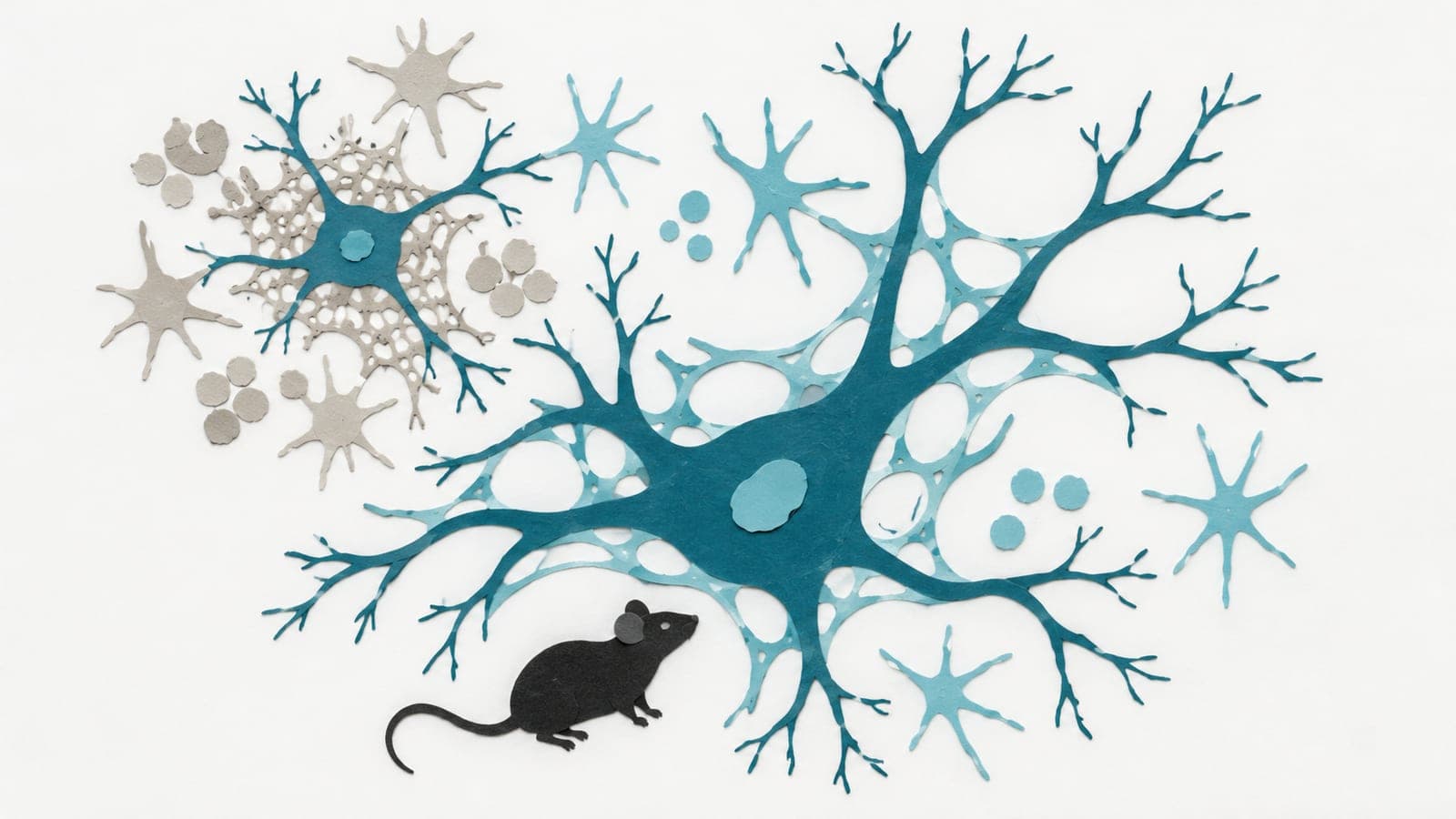
Neural stem cell (NSC) aging significantly contributes to reduced neurogenesis, driven by both intrinsic mechanisms and environmental cues. However, the response of hippocampal NSCs to developmental and age-related changes in microenvironmental stiffness remains incompletely understood. Our study showed that hippocampal tissue stiffness increases substantially with age, correlating with diminished neurogenesis. To faithfully model this age-dependent mechanical transition, we engineered hyaluronic acid-laminin hydrogels matching physiological hippocampal stiffness across age groups. Culturing NSCs from different-aged donors on these stiffness-tunable hydrogels revealed that age-related hippocampal stiffening accelerates the NSC aging phenotype and impairs their proliferation and neuronal differentiation. This functional decline was associated with upregulated expression of collagen and integrin genes alongside downregulated expression of cell cycle-promoting genes in NSCs. Our study further revealed that aging alters Piezo1 expression, and disrupting Piezo1 rejuvenated the proliferative capacity of old NSCs while restoring the expression patterns of cell cycle and cell adhesion genes in stiff microenvironments. Moreover, we found that the regulation of NSC aging by niche stiffness is largely conserved from rodents to primates. This conserved mechanism establishes a foundation for novel regenerative strategies that target mechanotransduction pathways, potentially enabling neural tissue repair through biomaterial-assisted cell transplantation.
- Hyaluronic acid-laminin hydrogel
- PIEZO1
- Cell cycle regulation
- Cellular senescence
- Extracellular matrix remodelling
- Primates
The paper
Kunming University of Science and Technology
Materials Today Bio, 3 Mar 2026